



يواجه نموذج الشراء الخارجي التقليدي في قطاع الطاقة تراجعاً حاداً مع تحول عمليات الشراء نحو الاستقلالية التقنية. لم يعد صناع القرار في شركات المرافق ومشغلي الشبكات ينتظرون عروضاً ترويجية، بل يبادرون بالتواصل فقط بعد إتمام تقييمات فنية مستقلة وشاملة.
يمثل دليل SDR لقطاع الطاقة تحولاً استراتيجياً من احتكار المعلومات إلى تسهيل رحلة التعلم الذاتي الرقمي للمشترين التقنيين. هذا التحول بالغ الأهمية لأن 61% من مشتري الطاقة في قطاع الأعمال يتجاوزون الآن أساليب البحث التقليدية غير المباشرة لصالح البحث المستقل القائم على البيانات. (غارتنر). يؤدي عدم توافق جهود المبيعات مع دورات الشراء التقنية الصارمة هذه إلى "فخ التقييم 9:1"، حيث تؤدي تكاليف اكتساب العملاء المتضخمة إلى تآكل هوامش الأرباح قبل الفوائد والضرائب والإهلاك والاستهلاك، وتزيد من خطر زيادة متوسط التكلفة المرجح لرأس المال للشركة أثناء إعادة تمويل البنية التحتية.
بالنسبة لكبار المديرين التنفيذيين، لا يقتصر الأمر على مجرد تغيير في أساليب المبيعات، بل هو إعادة هيكلة جوهرية لكيفية إظهار الشركة لكفاءتها التشغيلية في السوق. فعندما يفشل قسم تطوير المبيعات في تحديد البدائل المبتكرة مبكرًا، غالبًا ما تكون النتيجة تسربًا ماليًا، كما حدث مؤخرًا مع شركة مرافق إقليمية تجاوزت ميزانيتها 2.4 مليون دولار، ما اضطرها إلى شراء الطاقة من السوق الفورية بشكل تفاعلي بسبب نقص في تطوير برامج موازنة الشبكة بشكل استباقي.
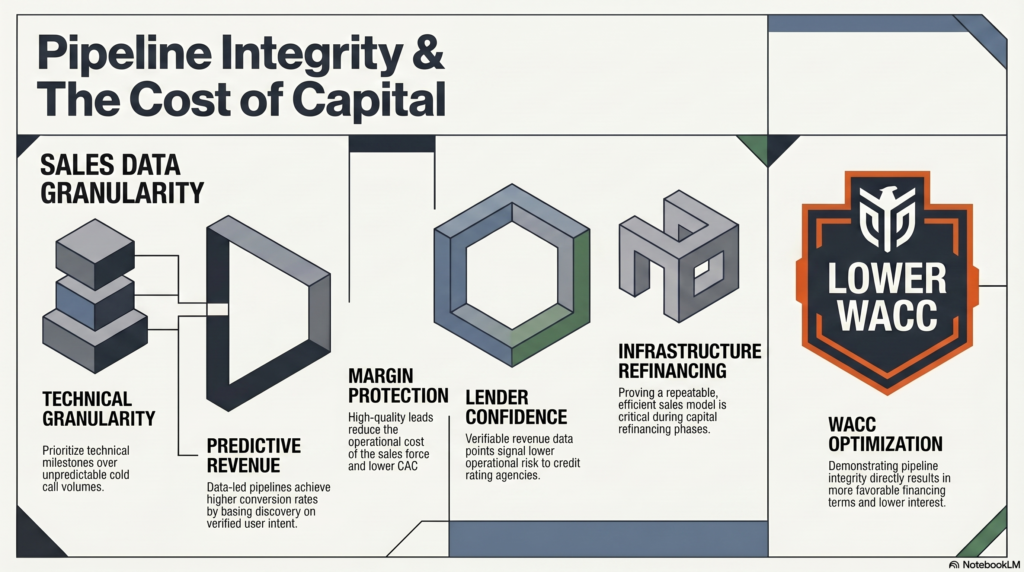
خطاف 61% في مجال شراء الطاقة
يمثل خطاف 61% نقطة تحول في رحلة مشتري الطاقة الحديث، حيث يُستبعد التفاعل البشري حتى المراحل النهائية للمواصفات الفنية. في قطاع يخضع لتخطيط رأسمالي عالي المخاطر والامتثال لمعايير NERC/CIP، ينظر المشترون إلى المكالمات التسويقية غير المرغوب فيها في المراحل المبكرة على أنها مقاطعات غير مجدية وليست استشارات مفيدة.
تشير الأدلة من فورستر وغارتنر إلى أنه بحلول الوقت الذي ينجح فيه مندوب تطوير المبيعات في التواصل مع مدير العمليات، يكون المشتري قد حدد على الأرجح المتطلبات التقنية واختار قائمة مختصرة من الموردين بناءً على الأوراق البيضاء المتاحة للجمهور، ووثائق واجهة برمجة التطبيقات، ومعايير الأداء المرجعية. لذا، يجب أن تتم عملية الاكتشاف الآن بشكل غير متزامن. وقد تحول دور مندوب تطوير المبيعات من الاستفسار العام إلى توفير بيانات محددة تعالج تحديات التكامل التي يبحثها المشتري بالفعل.
يتطلب هذا التحول إعادة هيكلة شاملة لمواد التسويق. يجب تزويد مندوبي تطوير البرمجيات بنماذج محاكاة لتأثير الشبكة، وشهادات التوافق التشغيلي، ودراسات حالة مفصلة. في هذا السياق، يعمل مندوب تطوير البرمجيات كميسر تقني، حيث يقدم الأدلة التي يحتاجها الفريق الهندسي في شركة المرافق لنقل المشروع من مرحلة البحث إلى مرحلة الميزانية.
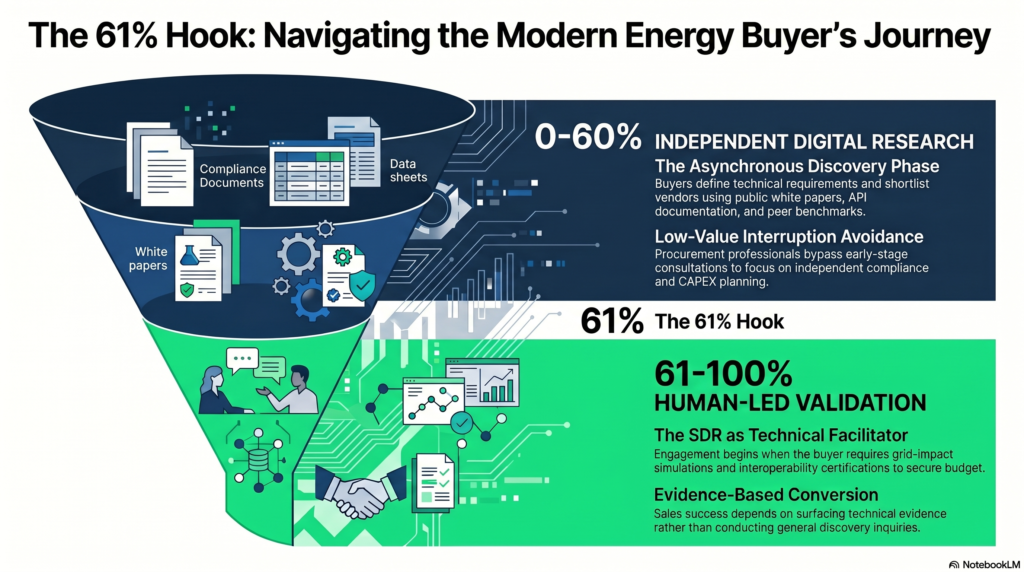
فخ التقييم بنسبة 9:1 وتأثيره على الأرباح قبل الفوائد والضرائب والإهلاك والاستهلاك
يحدث فخ التقييم 9:1 عندما تعتمد شركة طاقة على هيكل مبيعات تقليدي يعتمد على المكالمات الخارجية - يتميز بكثرة المكالمات وقلة جدية الشراء - مما ينتج عنه تكلفة اكتساب عميل (CAC) أعلى بتسعة أضعاف من المعيار الصناعي للنماذج الرقمية عالية الكفاءة. بالنسبة للإدارة العليا، يمثل هذا القصور استنزافًا مباشرًا للأرباح قبل الفوائد والضرائب والإهلاك والاستهلاك (EBITDA)، ومؤشرًا على ضعف العمليات التشغيلية للمستثمرين المؤسسيين.
في سوق البنية التحتية للطاقة، تتسم العقود بطول مدتها، وتُقاس دورات الشراء بالسنوات. ويؤدي تضخم فريق المبيعات الذي يسعى لفرض التعاقدات خارج هذه الدورات إلى معدل استهلاك غير مستدام. وعندما تبقى تكلفة اكتساب العميل مرتفعة، فإن ذلك يُشير إلى الدائنين بضعف ملاءمة المنتج للسوق أو بتقادم العمليات التشغيلية. وقد يؤدي هذا التصور إلى ارتفاع علاوة المخاطر، مما يرفع فعلياً متوسط التكلفة المرجح لرأس المال.
|
متري |
نموذج المبيعات الخارجية التقليدي |
دليل استخدام أجهزة الراديو المعرف بالبرمجيات الحديثة |
|
متوسط تركيز الكالسيوم داخل الشريان التاجي |
عالي (9 أضعاف المعيار) |
منخفض (مُحسَّن) |
|
تأثير الأرباح قبل الفوائد والضرائب والإهلاك والاستهلاك |
12-15% التآكل |
محايد/إيجابي |
|
دورة المبيعات |
تفاعلي/عالي الاحتكاك |
استباقي/معتمد على البيانات |
|
إشارة WACC |
مخاطر عالية (عدم كفاءة) |
مخاطر منخفضة (التميز التشغيلي) |
من خلال التحول إلى نموذج إدارة الطلب على الخدمة (SDR) الذي يتوافق مع دورات الشراء المتخصصة لشبكة الطاقة، تستطيع الشركات خفض تكلفة اكتساب العميل (CAC) وحماية هوامش الربح. وهذا يضمن تركيز جهود المبيعات على فترات زمنية محددة، مثل فترة تقديم شركة المرافق لطلب تحديد الأسعار كل خمس سنوات أو مرحلة تحديث الشبكة المجدولة.
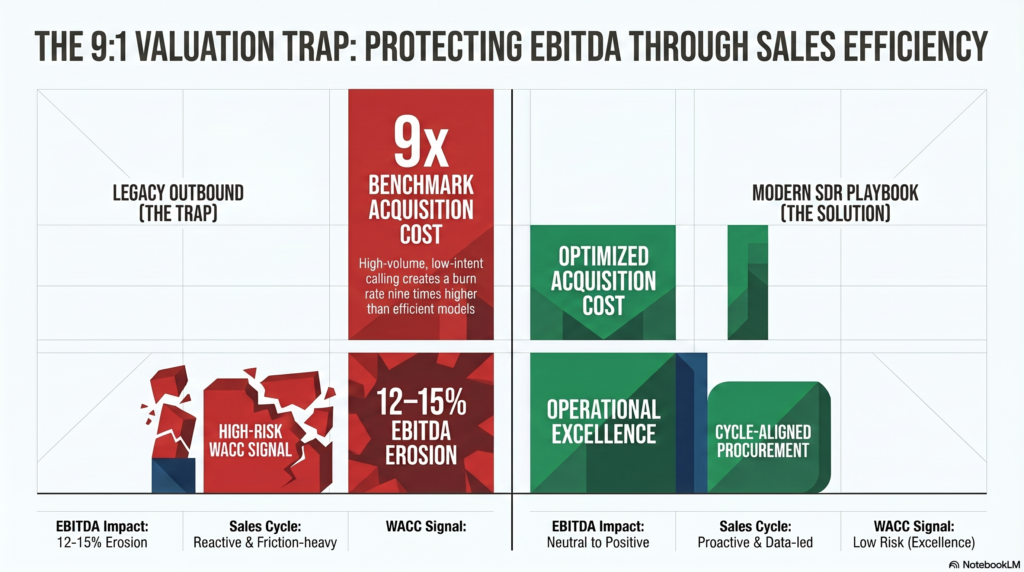
التيسير التقني باعتباره اكتشافاً جديداً
يتم استبدال أساليب الاستكشاف التقليدية - التي تكشف الاحتياجات من خلال الاستجواب المباشر - بالتيسير التقني. ويعتبر مشتري الطاقة اليوم أن احتياجاتهم معروفة، لكن حلولهم غير مؤكدة. لذا، يجب على منصة إدارة بيانات الطاقة الحديثة أن تُيسّر رحلة التعلّم الذاتي الرقمي من خلال توفير الأدلة اللازمة للوصول إلى توافق آراء أصحاب المصلحة الداخليين.
في سيناريو موثق، واجه مدير عمليات في شركة مرافق إقليمية تجاوزًا في الميزانية قدره 2.4 مليون دولار أمريكي، وذلك بسبب فشل عملية الشراء التقليدية في تحديد برنامج موازنة الشبكة في الوقت المناسب. وقد نتج عن ذلك عمليات شراء طاقة فورية رد فعلية بأسعار الذروة. وكان من الممكن أن يوفر نظام استباقي قائم على التيسير معايير فنية قبل ثمانية عشر شهرًا، مما يسمح بدمجه في ميزانية النفقات الرأسمالية السنوية بدلًا من التسبب في تدقيق مالي في منتصف العام.
يتطلب التيسير من مندوب تطوير المبيعات تحديد موقع العميل المحتمل في دورة البحث الخاصة به، وتقديم الأدلة اللازمة، سواء أكانت شهادة أمنية، أو دراسة حالة من شركة مرافق مماثلة في الحجم، أو مجموعة بيانات تجريبية. يُعزز هذا النهج المصداقية لدى فرق الهندسة والعمليات التي تملك حق النقض في عمليات شراء الطاقة.
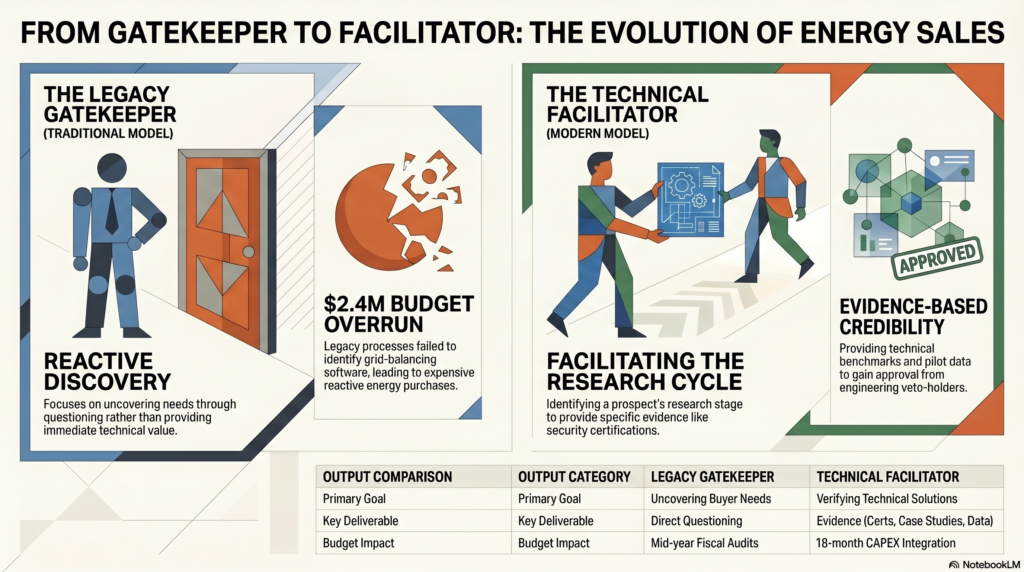
جودة خطوط الأنابيب وإعادة تمويل البنية التحتية
بالنسبة للقيادة المالية، تُعد جودة المشاريع قيد التنفيذ مؤشراً رئيسياً على الجدارة الائتمانية. في قطاع الطاقة، حيث يُعاد تمويل المشاريع الرأسمالية بشكل متكرر، يشير وجود عدد كبير من المشاريع غير الجادة إلى ضعف اختراق السوق. في المقابل، يشير وجود مشاريع قيد التنفيذ مبنية على أسس فنية إلى انخفاض المخاطر التشغيلية.
تتأثر التصنيفات الاستثمارية وتصنيفات الكفاءة الداخلية بشكل متزايد بالقدرة على التنبؤ بالإيرادات. إن خطط المبيعات القائمة على حجم المكالمات التسويقية غير المتوقعة غير قابلة للتنبؤ بطبيعتها. أما خطط المبيعات القائمة على مراحل المشاركة التقنية - مثل تنزيل أدلة التكامل أو طلبات تدقيق الامتثال لمعايير NERC - فتُوفر بيانات موثوقة للإيرادات المستقبلية.
- القدرة على التنبؤ: تُظهر خطوط الأنابيب القائمة على البيانات معدلات تحويل أعلى من MQL إلى SQL لأن الاكتشاف مدعوم بنية المستخدم.
- حماية الهامش: يؤدي تقليل الوقت الذي يقضيه العملاء المحتملون غير المؤهلين إلى خفض التكلفة التشغيلية لفريق المبيعات.
- تحسين متوسط تكلفة رأس المال المرجح: إن إثبات نموذج قابل للتكرار ومنخفض التكلفة لكل عميل للمقرضين يمكن أن يؤدي إلى شروط أكثر ملاءمة خلال مراحل إعادة تمويل البنية التحتية.
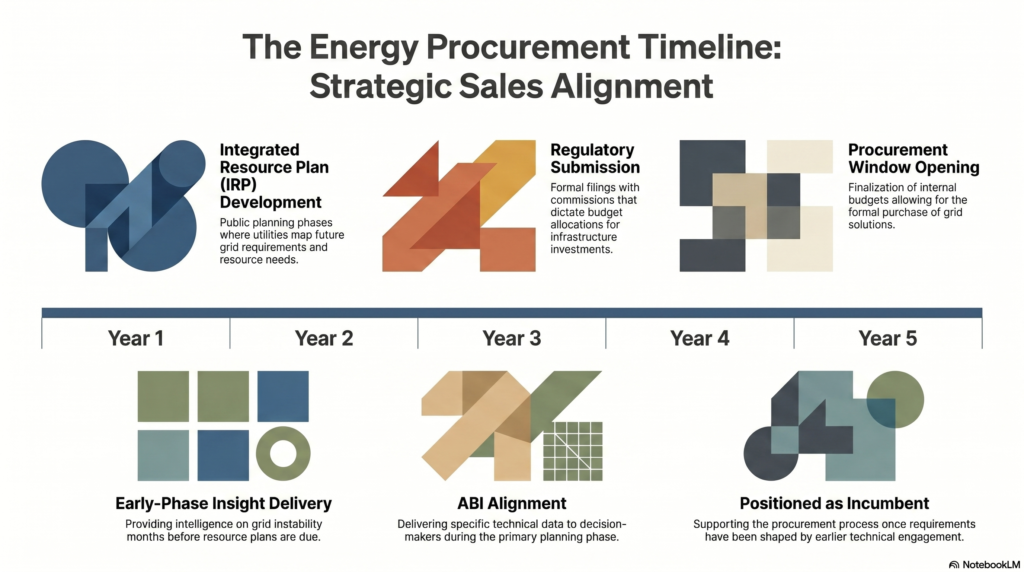
مواءمة جهود التوعية مع دورات شراء الشبكة
يتطلب النجاح استراتيجية تتناسب مع دورات شبكة الطاقة الممتدة لعدة سنوات. لا يمكن لموردي خدمات الطاقة تسريع عملية شراء انتهت صلاحيتها؛ بل يجب عليهم رعاية الحساب ليصبح المورد الرئيسي المنتظر.
تتضمن عملية المواءمة ربط الحسابات المستهدفة بالتقارير التنظيمية، وخطط الموارد المتكاملة العامة، وفترات انقطاع الصيانة المجدولة. ينبغي قياس نشاط إدارة علاقات العملاء من خلال نقاط تسليم المعلومات - وهي الحالات التي تُقدَّم فيها البيانات الفنية إلى صانع القرار خلال مرحلة التخطيط. وفقًا لـ إدارة معلومات الطاقة, وهذا يمثل توافقاً استراتيجياً مع المتطلبات الداخلية للمشتري.
يتطلب هذا تحولاً من أنشطة إدارة علاقات العملاء العامة إلى الذكاء القائم على الحسابات. إن تقديم ورقة بحثية حول عدم استقرار الشبكة قبل ثلاثة أشهر من موعد تقديم خطة الاستجابة المتكاملة (IRP) يُحقق قيمة استراتيجية لا يُمكن للجهود التوعوية التقليدية أن تُضاهيها.
المتطلبات التشغيلية لتنفيذ خطة العمل
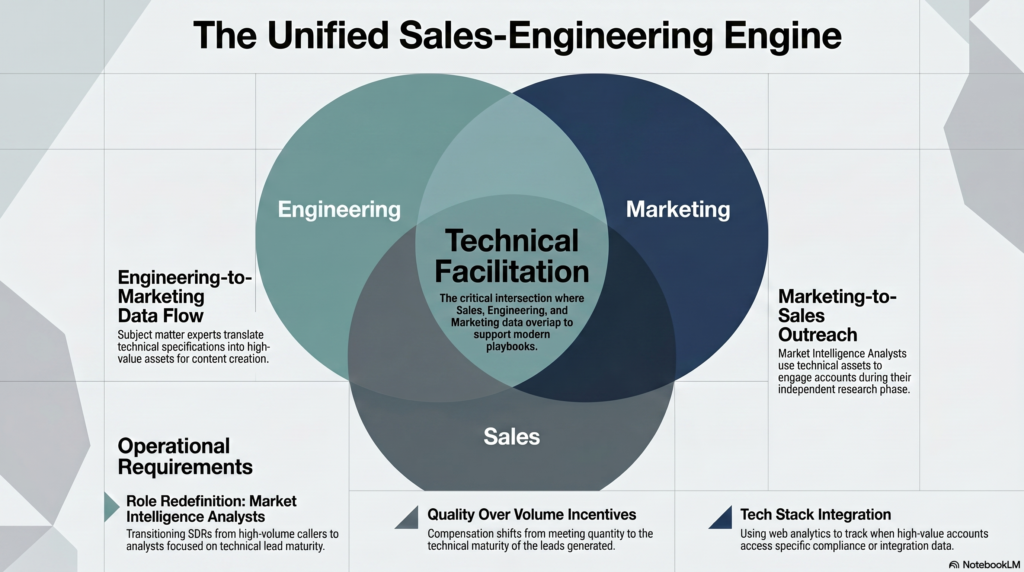
يتطلب تبني هذا النموذج تغييرًا في خصائص فريق تطوير المبيعات وإعادة هيكلة تدفق البيانات الداخلية. يجب على القيادة سد الفجوة بين المبيعات والهندسة والتسويق لإنشاء منظومة موحدة.
- إعادة تعريف الدور: تحويل مندوبي تطوير المبيعات إلى محللي معلومات السوق.
- التكامل الهندسي: تزويد مندوبي تطوير البرمجيات بإمكانية الوصول إلى خبراء متخصصين داخليين لترجمة المواصفات الفنية إلى أصول عالية القيمة.
- مواءمة الحوافز: يتم تحديد التعويض بناءً على النضج التقني للعملاء المحتملين بدلاً من حجم الاجتماعات.
- تكامل مجموعة التقنيات: استخدم تحليلات الويب لتحديد متى تصل الحسابات ذات القيمة العالية إلى بيانات الامتثال أو التكامل.
يُعد تطبيق هذا النموذج ضرورة تشغيلية. (عكس) لتجنب الإخفاقات المالية المرتبطة بعمليات الشراء التقليدية. يضمن ذلك تقييم الحلول خلال مرحلة البحث المستقل.
الوجبات الرئيسية
- الانتقال إلى مرحلة التيسير: يجب على مندوبي المبيعات تقديم بيانات فنية لدعم 61% للمشترين الذين يقومون بإجراء بحث مستقل.
- مراقبة نسب تركيز الكالسيوم في الدم: تشير تكاليف الاستحواذ المفرطة إلى عدم كفاءة تشغيلية يمكن أن تزيد من متوسط تكلفة رأس المال المرجح.
- التزامن مع الدورات التنظيمية: مواءمة الجهود مع تخطيط المرافق متعدد السنوات (خطط الموارد المتكاملة وقضايا تحديد الأسعار).
- إعطاء الأولوية لاكتساب المعلومات: يجب أن تقدم كل عملية تواصل رؤى فنية محددة غير متاحة من خلال عمليات البحث العامة.
- الحد من التسرب المالي: تمنع قنوات الإنتاج الاستباقية للحلول المبتكرة عمليات الشراء التفاعلية عالية التكلفة في السوق الفورية.
- تعديل الحمض النووي للموهبة: وظّف بناءً على المعرفة التقنية والقدرة التحليلية بدلاً من أساليب البيع الضاغطة.
الأسئلة الشائعة
ما الذي يحدد "خطاف 61%" في مبيعات الطاقة؟
يشير ذلك إلى حقيقة أن 61% من مشتري قطاع الطاقة يكملون البحث الفني بشكل مستقل قبل التعاقد مع مندوب مبيعات.
كيف يؤثر ارتفاع تكلفة الاستحواذ على رأس المال (CAC) على متوسط تكلفة رأس المال المرجح (WACC) للشركة؟
ينظر المقرضون إلى ارتفاع تكلفة رأس المال المكتسبة كمؤشر على المخاطر التشغيلية وعدم الكفاءة. وقد يؤدي ذلك إلى ارتفاع أسعار الفائدة خلال عمليات إعادة تمويل البنية التحتية، مما يزيد من متوسط التكلفة المرجحة لرأس المال.
ما هو "اكتساب المعلومات"؟
إن تقديم قيمة تقنية جديدة وغير واضحة - مثل بيانات تأثير الشبكة أو معايير الامتثال - هو ما يتجاوز مواد التسويق القياسية.
ما الذي تسبب في تجاوز مبلغ $2.4M في دراسة الحالة المذكورة؟
فشلت عملية الشراء التفاعلية في تحديد بدائل موازنة الشبكة، مما أجبر شركة المرافق على شراء الطاقة في السوق الفورية بسعر أعلى.
هل يمكن لأنظمة الراديو المعرفة بالبرمجيات التقليدية أن تتحول إلى هذا النموذج؟
نعم، بشرط أن يتحول التركيز من حجم المكالمات إلى المعرفة التقنية والتعاون الداخلي مع فرق الهندسة.
كيف تؤثر هذه الخطة على الأرباح قبل الفوائد والضرائب والإهلاك والاستهلاك؟
فهي تحافظ على هوامش الربح عن طريق خفض تكلفة اكتساب العميل ومواءمة جهود المبيعات مع فترات الشراء الحالية، مما يقلل من الإنفاق التشغيلي المهدر.
نبذة عن المؤلف
فريق تحليل المشروع 54 هو عضو استراتيجي بارز في فريق Project 54 ولديه خبرة تزيد عن 20 عامًا في مبيعات الشركات B2B وأسواق رأس المال، ويركز على الكفاءة التشغيلية في قطاعي الطاقة و SaaS.
استكشف هذا الموضوع بشكل أعمق
[مشغل البودكاست: نهاية المكالمات الهاتفية غير المرغوب فيها في قطاع الطاقة]
استمع إلى المناقشة المصاحبة حول هذا الموضوع. مدة المناقشة 22 دقيقة.
[عرض الشرائح: موجز استراتيجية الطاقة SDR]
قم بتنزيل العرض التقديمي الذي يلخص الأفكار الرئيسية الواردة في هذه المقالة.
تنزيل الشرائح (PDF) | تنزيل الشرائح (PPTX)
روابط خارجية: