



La Chine stocke-t-elle du pétrole sous terre ? Cavernes de sel, parcs de stockage et pourquoi c’est important
La Chine stocke son pétrole brut de deux manières : dans de vastes parcs de réservoirs à ciel ouvert et dans des cavernes souterraines étanches. Ce choix est délibéré. Le stockage souterrain est moins coûteux à protéger et beaucoup plus difficile à mesurer pour les observateurs extérieurs, ce qui explique en partie pourquoi la taille réelle des réserves chinoises est une estimation plutôt qu'un fait avéré. Cette réponse explique où et comment la Chine stocke son pétrole, pourquoi elle utilise des sites souterrains et ce que ce type de stockage révèle aux professionnels de l'énergie qui cherchent à anticiper la demande chinoise.
- La Chine utilise à la fois des parcs de stockage de pétrole hors sol et des stockages souterrains, notamment des cavernes rocheuses étanches à l'eau sur des sites côtiers comme Huangdao ; la réponse à la question de savoir si elle stocke du pétrole sous terre est donc clairement oui.
- Sa réserve stratégique de pétrole a été constituée par phases : les sites côtiers de la phase I à Zhenhai, Zhoushan, Huangdao et Dalian, et les sites intérieurs de la phase II, notamment Tianjin, Jinzhou, Dushanzi, Lanzhou, Jintan, Huizhou et Zhanjiang.
- Le choix des cavernes souterraines s'explique par leur moindre coût de protection et leur difficulté accrue à être observées de l'extérieur, ce qui contribue directement à l'opacité des chiffres relatifs aux réserves chinoises.
- Les entreprises publiques, dont Sinopec et CNOOC, prévoient d'ajouter au moins 169 millions de barils de capacité de stockage sur une dizaine de nouveaux sites entre 2025 et 2026, ce qui confirme l'expansion continue des capacités de stockage.
Deux modes, utilisés ensemble intentionnellement
La Chine stocke son pétrole brut de deux manières physiquement distinctes et les utilise conjointement. La plus visible est le parc de stockage aérien, constitué de rangées de grands réservoirs en acier que les satellites peuvent photographier et dont les analystes comptent les données pour estimer les variations de stock. Des bases comme Lanzhou et Tianjin sont de ce type. Le mode de stockage moins visible est le stockage souterrain, où le pétrole est conservé dans des cavernes rocheuses étanches ou des installations couvertes, un système utilisé sur des sites côtiers comme Huangdao. Les descriptions officielles et académiques du programme de réserves décrivent les modes de stockage aérien et souterrain combinés, ce qui est essentiel : il ne s’agit pas de l’un ou de l’autre, mais d’une combinaison délibérée.
La réserve a été constituée par étapes, d'abord le long de la côte, puis vers l'intérieur des terres. Les sites de la première phase ont été sélectionnés dans les villes côtières de Zhenhai, Zhoushan, Huangdao et Dalian, à proximité des raffineries et des terminaux d'importation recevant le pétrole brut maritime. La deuxième phase a étendu le réseau vers l'intérieur des terres, notamment à Tianjin, Jinzhou, Dushanzi, Lanzhou, Jintan, Huizhou et Zhanjiang, répartissant ainsi la réserve sur les côtes est et ouest, tout en laissant les régions du centre et du sud-ouest largement dépourvues de bases. Cette répartition géographique répond à une logique de sécurité d'approvisionnement : stocker le pétrole brut à proximité de ses lieux de débarquement et de raffinage, et assurer une distribution stratégique afin qu'aucune perturbation ne vienne épuiser le système.
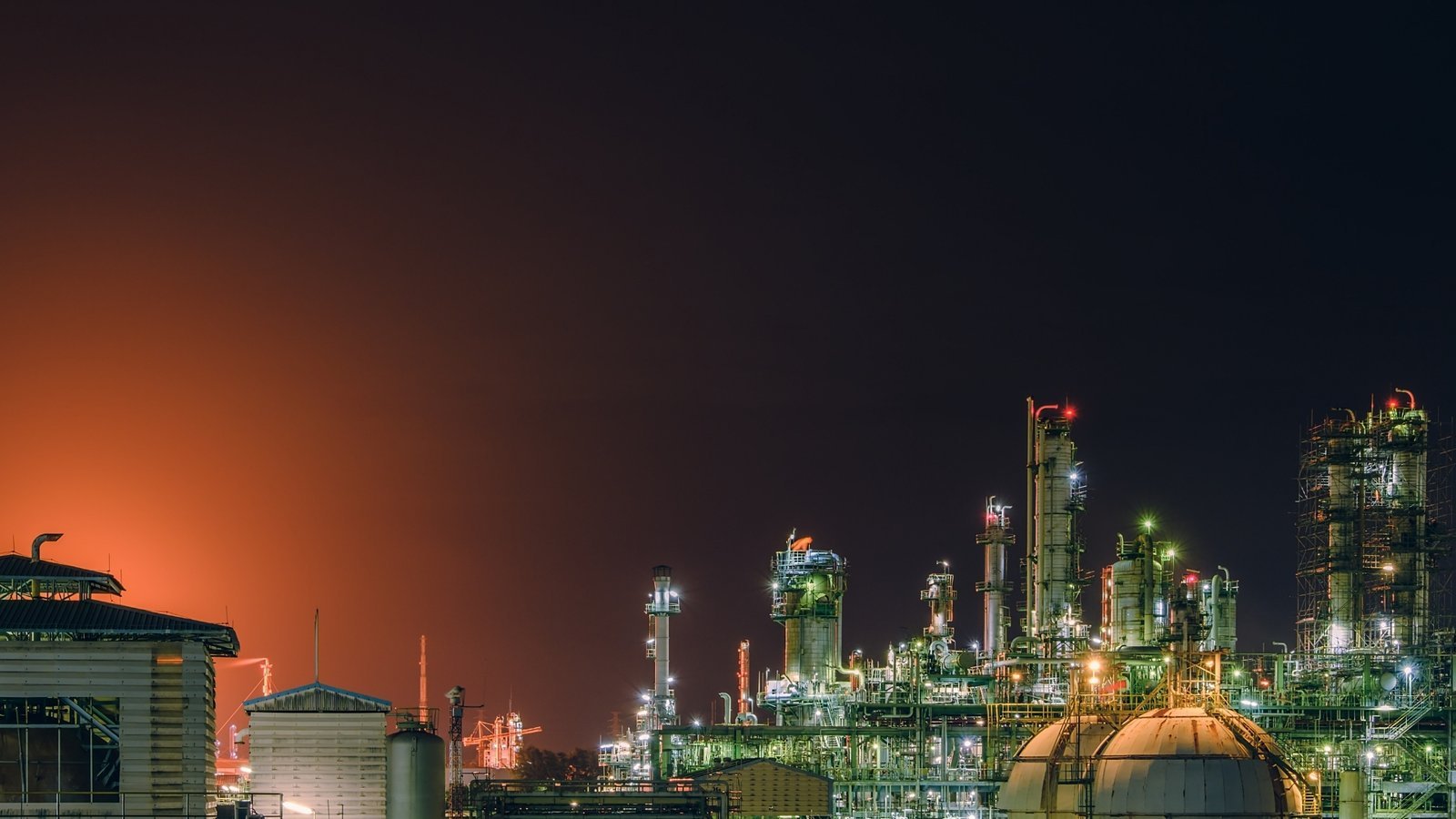 Projet 54La Chine stocke le pétrole à la fois dans des parcs de réservoirs à ciel ouvert et dans des cavernes souterraines étanches ; ce mélange est délibéré et explique en partie pourquoi le total réel n'est qu'une estimation.
| Mode de stockage | Exemples de sites | À quel point visible aux yeux des étrangers |
|---|---|---|
| Parc de réservoirs hors sol | Lanzhou, Tianjin | En haut, les chars peuvent être comptés à partir d'images satellites. |
| cavernes souterraines et sites couverts | Huangdao | Faibles, les volumes sont difficiles à observer ou à vérifier |
| Phase côtière I | Zhenhai, Zhoushan, Huangdao, Dalian | Mixte, à proximité des terminaux d'importation et des raffineries |
| Phase II intérieure | Tianjin, Jinzhou, Dushanzi, Lanzhou, Jintan, Huizhou, Zhanjiang | Mixte, réparti pour la sécurité d'approvisionnement |
Moins coûteux à protéger et beaucoup plus difficile à mesurer
Il existe deux raisons pratiques et une raison stratégique. Sur le plan pratique, la construction et l'entretien à grande échelle de cavernes souterraines peuvent s'avérer moins coûteux que la construction de réservoirs en acier équivalents. De plus, elles offrent une bien meilleure protection contre les intempéries, les incendies et les attaques, un atout essentiel pour une réserve dont la vocation première est de permettre la survie en cas de crise. Sur le plan stratégique, le stockage souterrain est difficilement observable de l'extérieur. Un parc de réservoirs peut être évalué grâce à la hauteur de ses toits flottants sur les images satellites ; une caverne souterraine, en revanche, est invisible. Pour un pays qui considère la taille de sa réserve stratégique comme un enjeu de sécurité nationale, cette invisibilité constitue un avantage, et non un inconvénient.
C’est là que la conception des installations de stockage rencontre le problème plus vaste des données pétrolières chinoises. Une partie des réserves étant stockée sous terre et Pékin ayant cessé de publier des chiffres officiels exhaustifs après le milieu des années 2010 et ne communiquant aucune donnée sur ses stocks de pétrole brut à l’Agence internationale de l’énergie (AIE), les estimations externes des réserves totales de la Chine varient considérablement. Elles sont généralement citées entre 1,2 et 1,47 milliard de barils environ, ce qui, sur la base des importations nettes de l’AIE, équivaut à une couverture de plus de 90 jours selon les estimations les plus crédibles. Il s’agit d’estimations, et elles sont indiquées comme telles ici, précisément parce que la composition du stockage et le silence des autorités rendent toute mesure directe impossible. Project 54 a examiné le problème de mesure expliquant pourquoi la Chine ne publie pas ses réserves de pétrole et pourquoi les estimations varient selon les sources ; la part du stockage souterrain apporte une grande partie de la réponse.
Cela détermine dans quelle mesure vous pouvez faire confiance à un signal de demande
Pour quiconque s'intéresse à la vente, aux prévisions ou au trading de pétrole en lien avec la demande chinoise, la composition des stocks n'est pas un détail, mais un signal d'alarme quant à la fiabilité des données. Lorsque la Chine achète plus de pétrole brut que ses raffineries n'en traitent, le surplus est stocké, et les analystes déduisent la constitution des stocks à partir de l'écart entre les importations, la production et l'activité des raffineries. Cependant, si une part significative de ce surplus disparaît dans des installations de stockage souterraines impossibles à recenser, la méthode d'estimation implicite présente une lacune permanente, et les affirmations catégoriques quant à la quantité exacte de pétrole stocké par la Chine doivent être interprétées avec prudence. La réalité est celle d'une fourchette, et non d'un chiffre précis.
En pratique, il convient de considérer les capacités de stockage chinoises comme un indicateur à recouper, et non comme un chiffre à citer. Les données satellitaires sur les parcs de stockage visibles, les données douanières sur les importations, les taux d'utilisation des raffineries et les annonces de nouvelles capacités apportent chacun un éclairage sur la situation. Ces annonces sont d'ailleurs bien réelles : des entreprises d'État comme Sinopec et CNOOC prévoient d'ajouter au moins 169 millions de barils de capacité sur une dizaine de nouveaux sites entre 2025 et 2026. Cette expansion témoigne de la tendance : la Chine continue d'accroître ses capacités de stockage de pétrole, même si le niveau exact reste volontairement flou. Pour les fournisseurs et les analystes, la rigueur est la même que celle appliquée par Project 54 pour l'ensemble de sa couverture de la Chine : indiquer des fourchettes de prix, préciser sa méthode de calcul et indiquer clairement qu'il s'agit d'estimations.
Écoutez et emportez-le avec vous
Vous préférez le format audio ou vous avez besoin de la présentation pour une analyse interne ? Le compte rendu complet est disponible sous forme d’épisode de podcast et de diaporama téléchargeable.
Quelle est la méthode la plus utile pour interpréter les stocks de pétrole de la Chine ?
Questions fréquemment posées
Oui. La Chine utilise à la fois des parcs de stockage aériens en acier et des stockages souterrains étanches, notamment des cavernes rocheuses remplies d'eau sur des sites côtiers comme Huangdao. Son programme de réserves stratégiques de pétrole combine délibérément les modes de stockage aérien et souterrain, car le stockage souterrain est moins coûteux à protéger et beaucoup plus difficile à contrôler pour les observateurs extérieurs.
La réserve a été constituée par phases. Les sites côtiers de la phase I se situent à Zhenhai, Zhoushan, Huangdao et Dalian, à proximité des terminaux d'importation et des raffineries. Les sites intérieurs de la phase II comprennent Tianjin, Jinzhou, Dushanzi, Lanzhou, Jintan, Huizhou et Zhanjiang, étendant ainsi la réserve le long des côtes est et ouest afin de garantir la sécurité d'approvisionnement.
Les cavernes souterraines sont moins coûteuses à construire et à entretenir à grande échelle, mieux protégées contre les intempéries, les incendies et les attaques, et beaucoup plus difficiles à observer de l'extérieur. Pour une réserve stratégique destinée à assurer la survie en cas de crise et dont la taille est considérée par la Chine comme un enjeu de sécurité nationale, cette protection et cette invisibilité constituent des atouts majeurs.
Les estimations externes varient généralement entre 1,2 et 1,47 milliard de barils, ce qui, sur la base des importations nettes de l'AIE, correspond à une couverture de plus de 90 jours selon les estimations les plus crédibles. Il s'agit d'estimations car une partie des réserves est stockée sous terre et ne peut être mesurée de l'extérieur, et parce que Pékin a cessé de publier des chiffres exhaustifs après le milieu des années 2010 et ne communique aucune donnée sur ses stocks de pétrole brut à l'AIE.
Oui. Les entreprises publiques, dont Sinopec et CNOOC, prévoient d'ajouter au moins 169 millions de barils de capacité de stockage sur une dizaine de nouveaux sites entre 2025 et 2026. L'empreinte écologique continue de s'étendre, même si le volume exact de pétrole stocké reste volontairement flou.
Obtenez la suite gouttelettes de renseignement
Rejoignez les leaders des secteurs de l'énergie et de l'industrie et recevez directement nos informations stratégiques en matière de marketing, de croissance par IA et d'architecture des revenus, sans superflu.
Vous êtes sur la liste
Bienvenue dans The Energy Growth Brief, consultez votre boîte de réception pour le prochain numéro.