






The New Silk Road of Oil: Why the Iraq-Turkey Pipeline Reopening is a Strategic Win

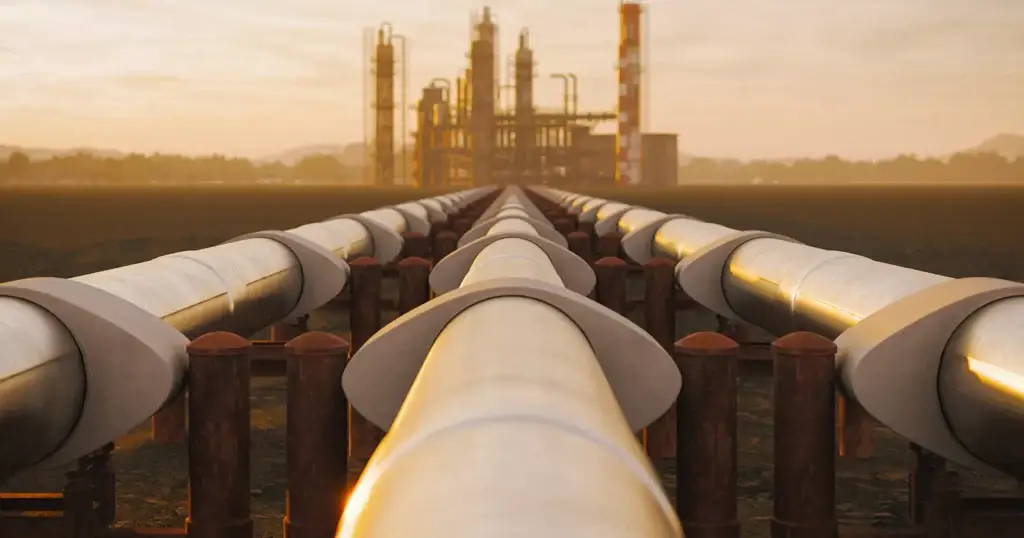
In the intricate world of global energy, a physical asset often serves as a proxy for diplomatic will. The recent restart of the Kirkuk-Ceyhan oil pipeline, the major export link between Iraq and Turkey, is one of those moments where political resolution translates directly into material stability and economic opportunity. After a cessation of flows that lasted almost two years, the resumption is a testament to persistent, high-level negotiation and a shared strategic interest in reducing vulnerability.

For executives tracking the global supply picture and assessing regional capital deployment, this is a clear signal that the appetite for infrastructure resilience and energy connectivity in the MENA region is stronger than ever. The significance transcends the mere return of crude volumes; it validates the creation of a sophisticated, durable, and highly integrated energy axis.

De-Risking the Supply Chain: The Value of Redundancy

The closure of the Kirkuk-Ceyhan pipeline was a stark reminder of how quickly operational disputes can translate into global supply tightening. The resulting loss of efficient export capacity forced greater reliance on alternative routes, increasing the concentration risk inherent in the region’s existing maritime pathways. This vulnerability is a primary concern for any treasury or risk management department.

The successful mediated agreement to resume flows immediately de-risks the northern quadrant of the global crude market. It reinstates a vital, high-volume terrestrial bypass, providing a critical counterbalance to the high-stakes navigation around the Strait of Hormuz. When this kind of structural flexibility is restored, it acts as a subtle but powerful dampener on geopolitical premium in global oil pricing. A more resilient infrastructure network provides greater optionality, which is the ultimate strategic asset in an unpredictable market.

Executives view this not just as Iraq recovering export volume, but as the global market securing a necessary logistical safeguard. It demonstrates the tangible financial value generated when diplomacy successfully resolves operational impasses over essential energy architecture.

The Corridor of Capital: Beyond Crude

The pipeline’s re-activation is functioning as a catalyst for a much wider array of energy and trade initiatives. The agreements supporting the pipeline flow are not isolated; they are happening against a backdrop of intensifying Gulf-Turkey energy partnerships spanning multi-billion dollar investments across multiple sectors. This emerging axis is the real focus for business development and long-term capital strategy.

  1. Gas Infrastructure Expansion: Turkey’s ambition to become a central natural gas trading hub is directly supported by enhanced stability in its energy transit relationships. This creates an immediate need for sophisticated investment in gas compression, measurement, and processing facilities. Future capital will be required to manage increasing flows from the Eastern Mediterranean, and potentially Central Asia, all converging at Turkey’s border. Specialized service companies should be mapping where this CapEx in gas transportation and storage will land.

  2. Integrated Renewable Development: Accompanying the hydrocarbon stability is an unprecedented level of cooperation in the clean energy space. Gulf entities, notably from Saudi Arabia and the UAE, are committing significant capital to develop large-scale renewable generation and green hydrogen projects within Turkey. This synergy is a powerful trend: hydrocarbon wealth is funding the energy transition across strategic partners. This means significant EPC, technology, and financing opportunities for firms specializing in utility-scale solar, wind, and sophisticated grid modernization.

  3. The New Logistics Lattice: The pipeline is one link in a broader chain, the conceptual “Development Road”, that aims to knit the Gulf to Turkey via rail and road networks. The combined energy and logistics corridors are forming a new West-Central Asia trade lattice. Organizations that can offer integrated services across energy transport, digital management, and physical logistics along this entire spine, from Basra to Ceyhan, will be best positioned to capture high-value, multi-year contracts.

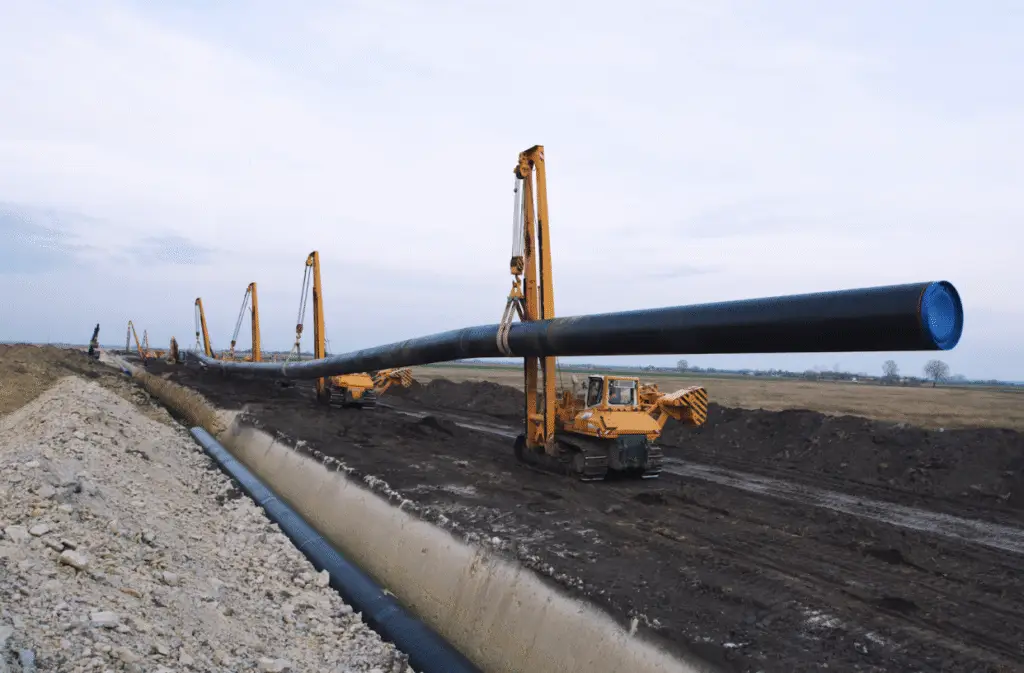
The successful development and maintenance of these integrated corridors requires specialized technology. For instance, the deployment of AI-powered digital twins and remote monitoring systems is no longer a luxury, but a necessity to ensure the integrity of ageing pipeline assets and maximize the efficiency of new infrastructure. Investments in such advanced asset management solutions represent a low-risk, high-return entry point for technology providers in the region.

Strategic Conclusion

The pipeline’s return to service is an object lesson in strategic resilience. It shows that despite geopolitical complexity, there is a powerful, unifying economic force driving the region toward integrated infrastructure.

Organizations should be using this moment to realign their regional market approach. The opportunity lies in providing services that support the interconnectedness of the new energy axis, not just the individual oil, gas, or solar projects. The most successful strategies will pivot to offer solutions that enhance flexibility, reduce structural risk, and support the convergence of hydrocarbon and renewable capital flows across the entire Gulf-Turkey corridor. The architecture of resilience is being built, and market leaders must position themselves to be part of its foundation.

To:

Project 54