









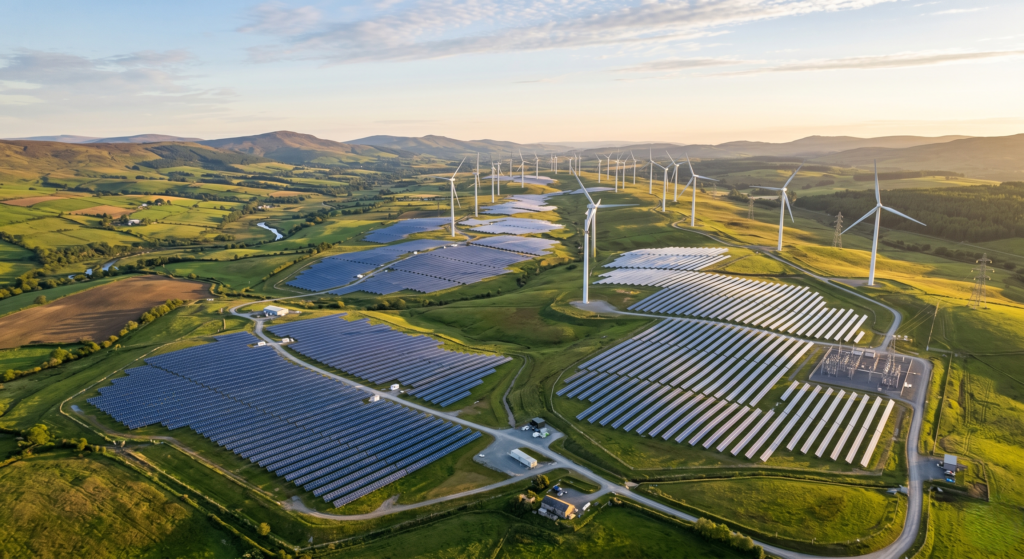
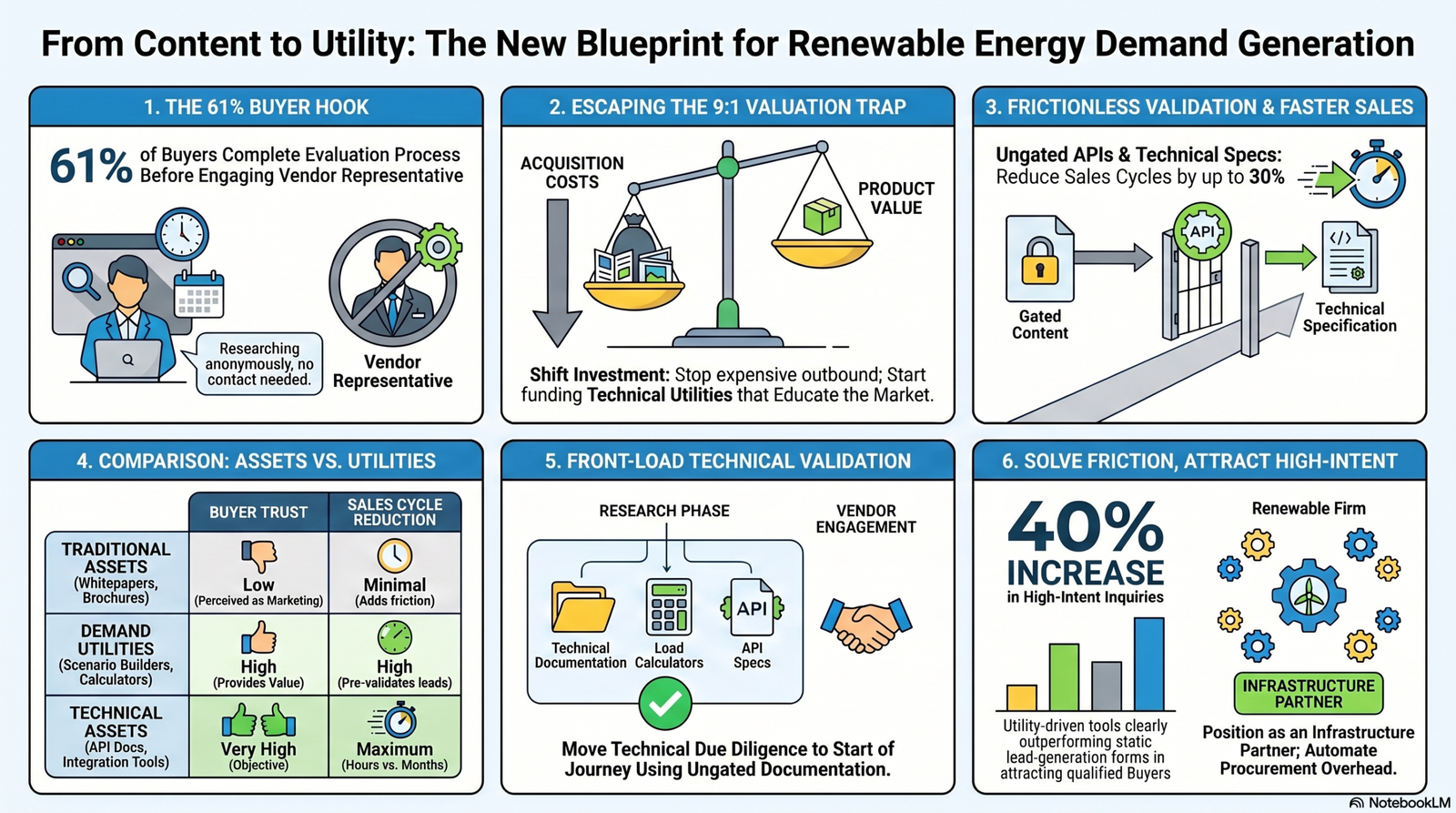
يمثل توليد الطلب على الطاقة المتجددة تحولاً استراتيجياً من البحث عن العملاء المحتملين القائم على المبيعات إلى منظومة متكاملة من الأصول التقنية عالية القيمة والمتاحة للجميع، والتي تُسهّل رحلة شراء سلسة دون الحاجة إلى مندوب مبيعات. هذا التحول بالغ الأهمية للحفاظ على الحصة السوقية؛ إذ يُكمل 611% من مشتري الشركات (B2B) عملية التقييم قبل التواصل مع أي مندوب مبيعات. الشركات التي لا تتكيف مع هذا التحول تُخاطر بالوقوع في "فخ التقييم 9:1"، حيث تتجاوز تكاليف اكتساب العملاء (CAC) بشكل كبير متطلبات تمييز المنتج التي يحتاجها المشترون المعاصرون.
تطور السوق من مجرد بناء القدرات إلى دمج معقد لإزالة الكربون. البيانات من غارتنر و بلومبرج إن إي إف يشير ذلك إلى أن أتمتة عمليات شراء الطاقة قد حولت الطاقة المتجددة إلى متطلب للبنية التحتية الرقمية بدلاً من كونها سلعة يتم شراؤها.
دور أتمتة شراء الطاقة في توليد الطلب على الطاقة المتجددة
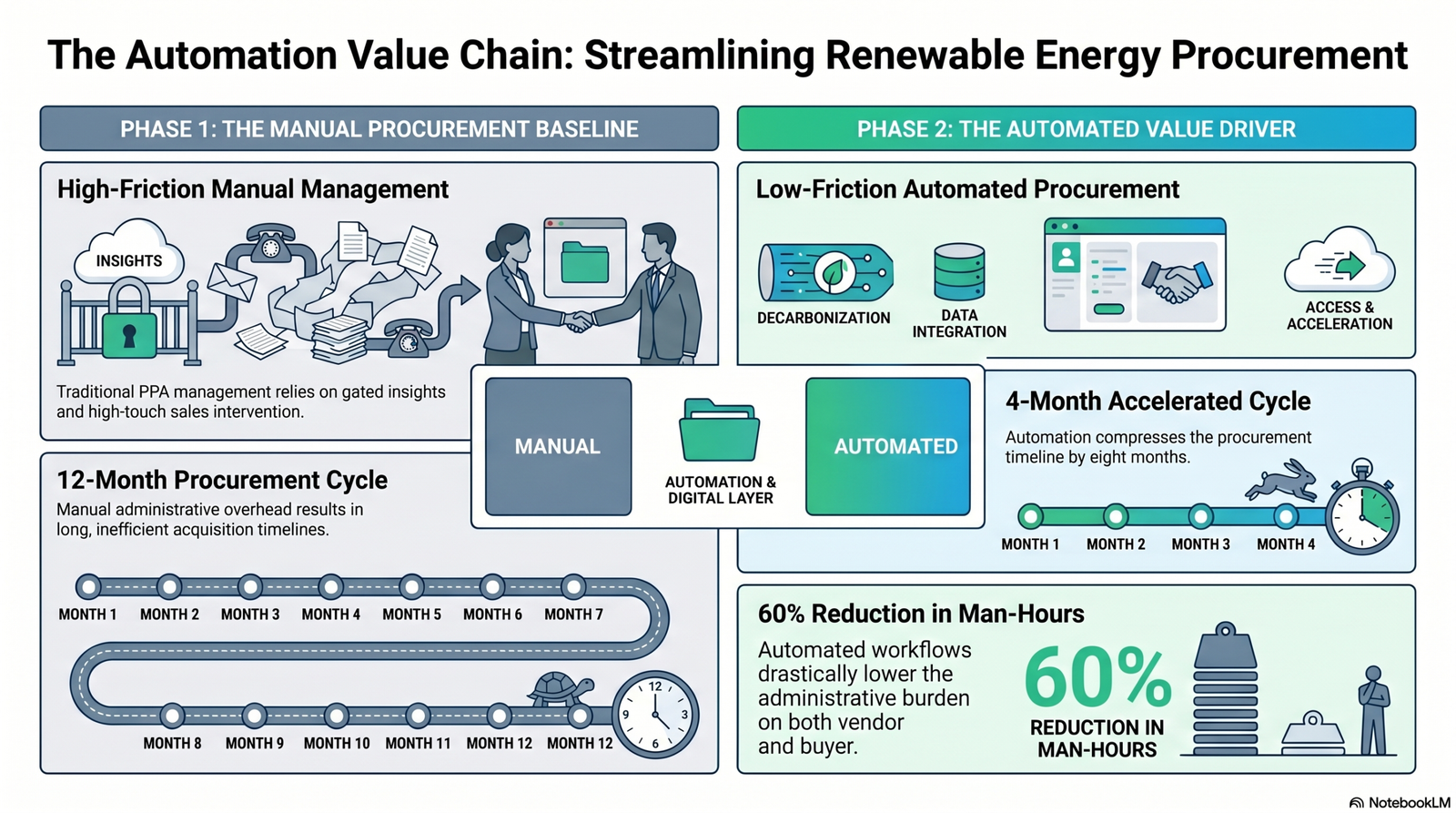
تُعدّ أتمتة عمليات شراء الطاقة الطبقة الرقمية التي تُزيل العقبات التشغيلية في إدارة اتفاقيات شراء الطاقة وشهادات الطاقة المتجددة. ومن خلال أتمتة الأعباء الإدارية لعملية خفض الانبعاثات الكربونية، ينتقل مزودو الطاقة من مجرد موردي أجهزة إلى شركاء أساسيين في البنية التحتية.
انتقلت أهداف الاستدامة المؤسسية من كونها مجرد أهداف تسويقية طموحة إلى بيانات مالية مدققة. ويتطلب هذا التحول تكاملاً دقيقاً للبيانات في الوقت الفعلي، وهو ما لا تستطيع عمليات الشراء اليدوية توفيره. ويعالج الموردون الذين يدمجون الأتمتة في استراتيجية توليد الطلب لديهم مشكلة رئيسية تواجه المشترين: التكلفة الباهظة لإدارة التعقيدات.
يُغيّر التمركز كمُيسّر آلي بشكل جذري من تقييم الشركة، إذ يُحوّل النظرة إليها من كيان إنشائي كثيف رأس المال إلى مُزوّد خدمات مدعوم بالتكنولوجيا. هذا التحوّل ضروري لجذب رؤوس الأموال المؤسسية التي تُفضّل نماذج "الطاقة كخدمة" على الإيرادات التقليدية القائمة على المشاريع.
تحديد كمية "خطاف 61%" في مسار المبيعات
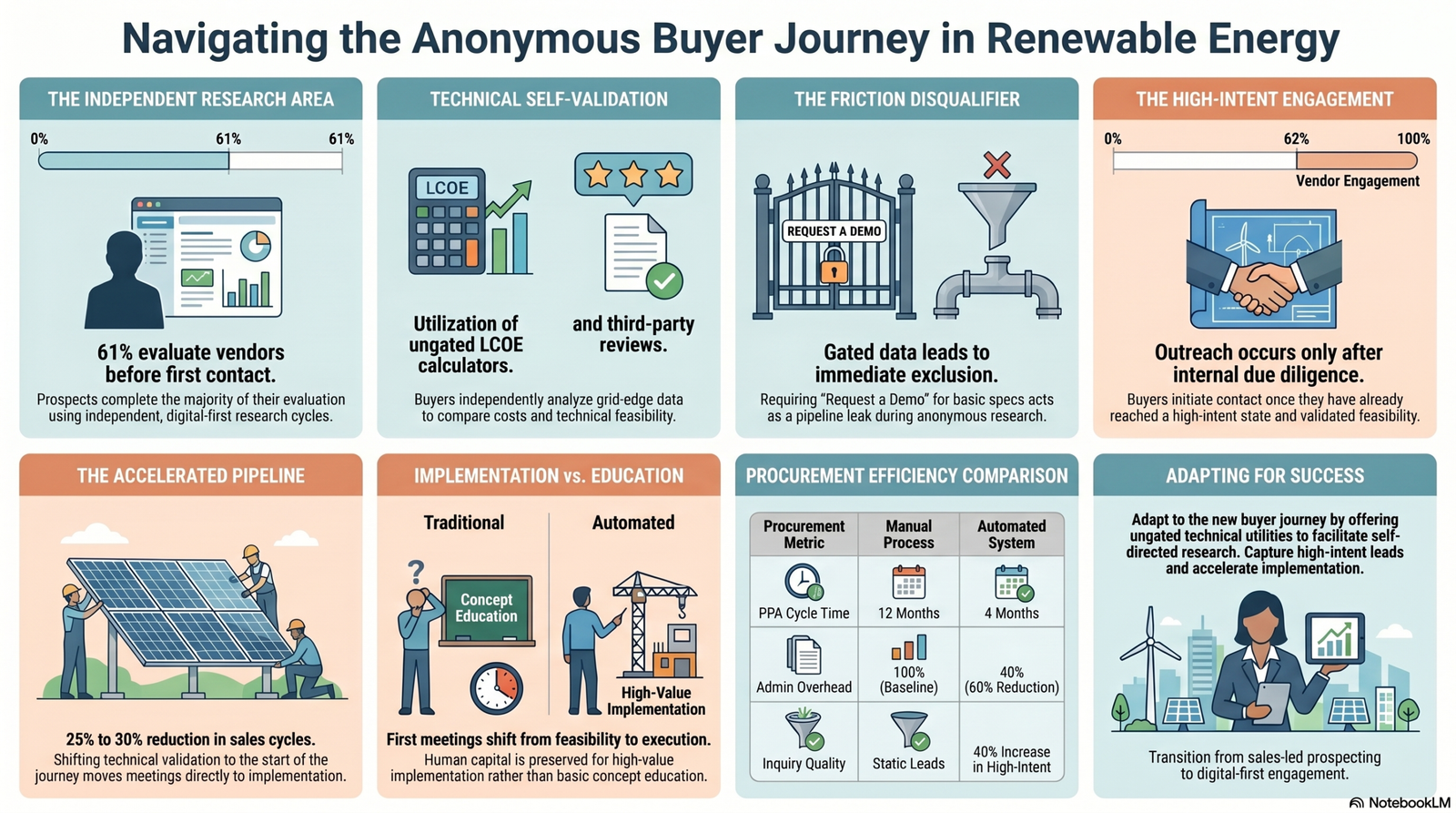
يصف مصطلح "خطاف 61%" الجزء الأكبر من رحلة الشراء بين الشركات التي تتم بشكل مجهول. في قطاع الطاقة المتجددة، يقوم العملاء المحتملون بتحليل بيانات حافة الشبكة بشكل مستقل ومقارنة أرقام التكلفة المُعدّلة للطاقة (LCOE) باستخدام برامج خارجية.
يُعدّ اشتراط النقر على زر "طلب عرض توضيحي" لعرض المواصفات الفنية الأساسية عائقًا أمام المشترين خلال مرحلة البحث المجهولة هذه. إذ ينظر المشترون إلى هذه الشروط على أنها عائق، فيتجهون إلى المنافسين الذين يقدمون أدوات شفافة وسهلة الاستخدام. وهذا يُحدث ثغرة هيكلية في مسار المبيعات لا تستطيع جهود المبيعات الخارجية معالجتها.
يُعزز توفير أدوات بناء السيناريوهات المفتوحة وحاسبات مطابقة الأحمال المصداقية لدى شريحة المشترين الذين يتجاوزون حاليًا قنوات المبيعات التقليدية. ويضمن التواجد خلال مرحلة البحث أن يكون المشتري قد وصل بالفعل إلى مرحلة عالية من الجدية في الشراء عندما يبدأ بالتواصل.
التخفيف من فخ التقييم بنسبة 9:1
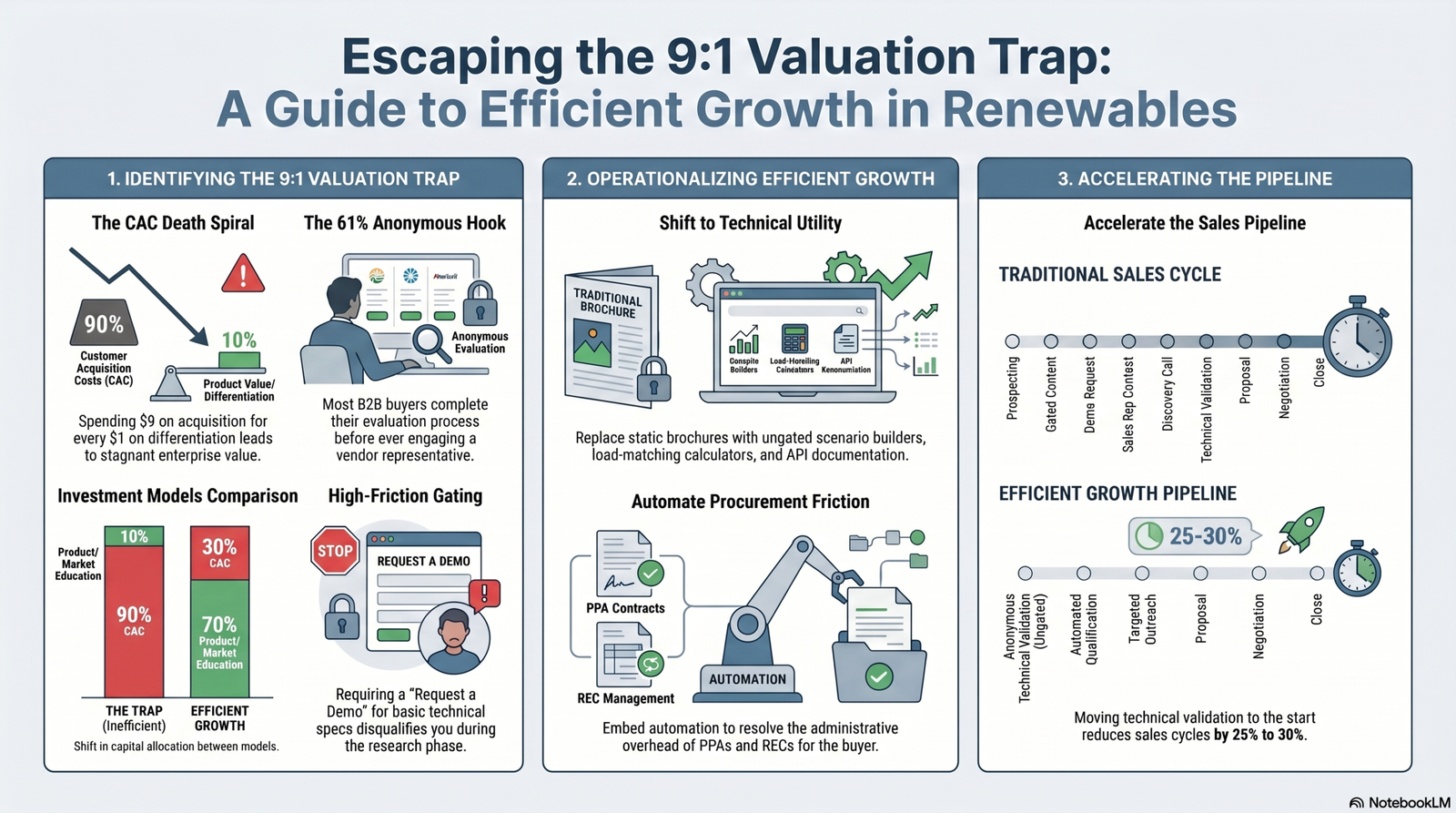
تقع شركات الطاقة المتجددة في فخ التقييم 9:1 عندما تخصص $9 لاكتساب العملاء مقابل كل $1 تنفقه على تمييز منتجاتها. يؤدي هذا الخلل إلى "دوامة موت تكلفة اكتساب العميل"، حيث تتآكل هوامش الربح بسبب ارتفاع تكلفة التنافس على مجموعة متقلصة من العملاء المحتملين "المستعدين للشراء".
مع اشتداد المنافسة في قطاعات المرافق العامة والقطاعات التجارية والصناعية، ترتفع تكلفة الإعلانات المدفوعة على محركات البحث والمبيعات الخارجية. وتتوقف قيمة المؤسسة عن النمو عندما يكون النمو غير فعال.
يتطلب الخروج من هذا المأزق إعادة توجيه الاستثمار نحو المحتوى عالي القيمة لتحقيق النجاح توليد الطلب على الطاقة المتجددة قبل تدخل فريق المبيعات. عندما تُقدّم الشركة أداةً لبناء سيناريوهات اتفاقية شراء الطاقة (PPA) يستخدمها المدير المالي لتبرير الصفقة داخليًا، يصبح المورّد جزءًا لا يتجزأ من دراسة جدوى المشتري. هذا يُخفّض تكلفة اكتساب العميل (CAC) ويزيد من احتمالية إتمام الصفقة.
تفعيل عملية خلق الطلب
تتضمن عملية خلق الطلب بناء دراسة جدوى للمشتري من خلال محتوى عملي يُعالج صعوبات إتمام المعاملات. وعلى عكس المواد التسويقية التقليدية التي تركز على البائع، يركز محتوى خلق الطلب على المشكلات التقنية التي يواجهها المشتري، ويوفر أدوات فورية لحلها.
تُسفر الأدوات التي تُقدمها شركات المرافق، مثل تقييمات مطابقة الأحمال الآلية، عن زيادة بنسبة 40% في الاستفسارات الجادة مقارنةً بنماذج توليد العملاء المحتملين التقليدية. يُقر هذا النهج بأن العقبة الرئيسية في مجال الطاقة المتجددة تكمن في التعقيد التقني والإداري، وليس في نقص الاهتمام بالطاقة النظيفة.
إن تقديم حلول لتسهيل المعاملات يضع الشركة في موقع الشريك المفضل. وفي سوق السلع الأساسية، تُعد سهولة المعاملات ميزة تنافسية هامة.
ضغط دورة مبيعات الطاقة المتجددة
يتطلب تقصير دورة المبيعات نقل عملية التحقق التقني إلى بداية رحلة المشتري. فعندما يتمكن المشترون من الوصول إلى الوثائق التقنية وواجهات برمجة التطبيقات (APIs) المتاحة للجميع، فإنهم يتحققون من جدوى المنتج في غضون ساعات بدلاً من شهور من المكالمات الاستكشافية.
تُعدّ الفجوة التعليمية السبب الرئيسي وراء تضخم دورات المبيعات. فكثيراً ما يقضي مندوبو المبيعات الأشهر الأولى من التعامل معهم في شرح مفاهيم كان من المفترض أن تتناولها المنصة الرقمية للشركة. وهذا يُعدّ استخداماً غير فعّال لرأس المال البشري ذي القيمة العالية.
إذا أكمل المشتري عملية التدقيق الداخلي اللازمة باستخدام محرك توليد الطلب الخاص بالشركة، فإن الاجتماع الأول يتحول من دراسة الجدوى إلى التنفيذ. وتشير معايير الصناعة لعام 2025 إلى أن هذا قد يقلل دورات المبيعات بنسبة تتراوح بين 25 و30 عامًا.
الوجبات الرئيسية
-
التقييم المستقل هو المعيار: يقوم 61% من العملاء المحتملين بتقييم البائعين قبل الاتصال بهم؛ وتؤدي البيانات المقيدة إلى استبعادهم من القوائم المختصرة.
-
الأتمتة كبنية تحتية: اجعل أتمتة شراء الطاقة الأداة الأساسية لإدارة تعقيدات إزالة الكربون.
-
كفاءة مركز التحكم في النشاط: معالجة فخ التقييم بنسبة 9:1 عن طريق تحويل الميزانية من المبيعات الخارجية إلى المرافق التي تخلق الطلب.
-
التحقق المسبق: استخدم واجهات برمجة التطبيقات والمواصفات غير المقيدة لتقصير دورات المبيعات بما يصل إلى 30%.
-
تأثير السوق على العملاء المحتملين المؤهلين للتسويق: ركز على مكانة السوق والفائدة التقنية بدلاً من حجم العملاء المحتملين الخام.
-
حل لإيجاد قوة الاحتكاك: توفير أدوات تساعد المشترين في بناء دراسات الجدوى الداخلية الخاصة بهم.
الأسئلة الشائعة
ما هو مفهوم أتمتة شراء الطاقة في توليد الطلب؟
يشير هذا المصطلح إلى أدوات برمجية تُدير مصادر الطاقة المتجددة والتعاقد عليها. وفي مجال توليد الطلب، يتضمن ذلك تزويد المشترين بهذه الأدوات لنمذجة العمليات بشكل مستقل.
لماذا تعتبر إحصائية 61% ذات صلة بالإدارة العليا؟
يشير هذا إلى أن مسار المبيعات التقليدي خارج عن سيطرة قسم المبيعات إلى حد كبير. يجب أن يُسهّل التسويق التقني الجزء الأكبر من عملية اتخاذ القرار.
كيف يتم تحديد فخ التقييم بنسبة 9:1؟
بقسمة إجمالي نفقات المبيعات والتسويق على عدد العملاء الجدد، تشير النسبة غير المتناسبة مقارنةً بنفقات البحث والتطوير أو هامش الربح إلى نموذج نمو غير فعال.
هل يؤدي فتح المحتوى إلى تقليل جودة العملاء المحتملين؟
لا. إنها تقضي على جهات الاتصال ذات الجودة المنخفضة بينما تزيد من الاستفسارات من المشترين ذوي النية العالية الذين سبق لهم التحقق من الفائدة التقنية للشركة.
كيف يؤثر توليد الطلب على تقييم الشركات؟
عادةً ما يؤدي نموذج الاستحواذ القابل للتكرار ومنخفض التكلفة، بالإضافة إلى ملف تعريف الخدمة المدعوم بالتكنولوجيا، إلى الحصول على مضاعفات أعلى للأرباح قبل الفوائد والضرائب والإهلاك والاستهلاك.
ما هي الخطوة الأولى لتنفيذ هذه الاستراتيجية؟
حدد نقطة احتكاك فنية محددة في عملية تقييم المشتري وقم بتطوير أداة غير مقيدة لمعالجتها.
نبذة عن المؤلف
الفريق المشروع 54 مستشار استراتيجي أول يتمتع بخبرة تزيد عن 18 عامًا في ديناميكيات سوق الطاقة. بعد أن قدم استشارات لأكثر من 1 تريليون و4 تريليونات و2 مليار صفقة في مجال الطاقة المتجددة، يتخصص في التقاطع بين التحول الرقمي والنمو الصناعي.
استكشف هذا الموضوع بشكل أعمق
مشغل البودكاست $$P: نهاية المكالمات التسويقية الباردة في مجال الطاقة المتجددة $$
استمع إلى المناقشة المصاحبة حول هذا الموضوع. مدة المناقشة 22 دقيقة.
عرض تقديمي $$S: مخطط توليد الطلب على الطاقة لعام 2026$$
قم بتنزيل العرض التقديمي الذي يلخص الأفكار الرئيسية الواردة في هذه المقالة.