



ADNOC und XRG: Wie Abu Dhabi mit Gas, Chemikalien und dem KI-Energieboom ein 150-Milliarden-Dollar-Geschäft aufbaute
Während die westlichen Ölkonzerne ihre Bilanzen verteidigen, verfolgt die Abu Dhabi National Oil Company (ADNOC) einen anderen Ansatz. Über XRG, ein globales Investmentvehikel mit einem Wert von über 150 Milliarden US-Dollar, kauft ADNOC Chemiekonzerne auf, baut eine internationale Gasplattform auf und positioniert sich gezielt für den Energiebedarf künstlicher Intelligenz. Dieses Dossier untersucht die Strategie von ADNOC, die dahinterstehende Logik und die Auswirkungen auf alle, die mit dem expansivsten Energiekonzern Geschäfte machen, mit ihm konkurrieren oder von ihm kaufen.
- ADNOC's board approved 150 billion dollars of capital expenditure for 2026 to 2030, around 30 billion dollars a year, holding its investment level steady while several Western majors cut buybacks and sell assets.
- XRG, ADNOC's international vehicle, was launched in late 2024 above 80 billion dollars of enterprise value and is now valued above 150 billion dollars, mandated to invest across natural gas, chemicals and scalable, lower-carbon energy.
- Die Strategie basiert auf drei benannten Kräften: der Energiewende, dem Wachstum der KI und dem Aufstieg der Schwellenländer. Erdgas dient dabei als Brücke, die Rechenzentren und Industrie mit Energie versorgt.
- Im Chemiesektor schloss XRG die Übernahme von Covestro ab und gründete Borouge International durch die Fusion von Borouge und Borealis sowie den Erwerb von NOVA Chemicals, einem Polyolefin-Konzern mit einem Umsatz von rund 60 Milliarden Dollar, um das Ziel zu verfolgen, ein führender globaler Akteur im Chemiesektor zu werden.
- Für Lieferanten und Wettbewerber ist ADNOC heute die zuverlässigste Beschaffungsquelle für Großaufträge und der aggressivste grenzüberschreitende Käufer im Energiesektor – ein Gegensatz, der sowohl Chancen als auch Konzentrationsrisiken birgt.
Ein nationales Ölunternehmen, das sich zum globalen Investor entwickelt hat
ADNOC gründete XRG im November 2024 als internationale Investmentgesellschaft mit einem Unternehmenswert von über 80 Milliarden US-Dollar und dem Auftrag, in Erdgas, Chemikalien und CO₂-ärmere Energielösungen zu investieren. Innerhalb von rund einem Jahr wuchs der Unternehmenswert auf über 150 Milliarden US-Dollar. Damit zählt XRG zu den größten Energie- und Chemieinvestoren weltweit und ermöglicht ADNOC, global statt nur im Inland zu agieren. Hinzu kommt eine Ende 2025 getroffene Konzernentscheidung, Investitionen in Höhe von 150 Milliarden US-Dollar für den Zeitraum 2026 bis 2030 zu genehmigen – rund 30 Milliarden US-Dollar pro Jahr und damit im Rahmen des vorherigen Plans.
The moves under that mandate have been large and fast. In chemicals, XRG completed its acquisition of Covestro, the German high-performance polymers maker, and combined Borouge with Borealis while acquiring NOVA Chemicals to form Borouge International, a polyolefins group valued at roughly 60 billion dollars and jointly held with Austria's OMV. In gas, XRG has been building an international platform, taking and expanding stakes in the Rio Grande LNG project in Texas and partnering with ExxonMobil on a major ammonia and hydrogen facility. As XRG's chief investment officer Nameer Siddiqui told The National, the company has been reviewing around 29 potential transactions as it works to build a vertically integrated global gas business. This is not portfolio tinkering, it is the construction of a second, international ADNOC.
150 billion dollar vehicle
XRG launched above 80 billion dollars in 2024 and now exceeds 150 billion dollars in enterprise value, ADNOC's instrument for acting globally.
Chemicals at scale
Covestro erwarb Borouge International, das aus Borouge, Borealis und NOVA Chemicals hervorging, einen Polyolefin-Konzern mit einem Umsatz von rund 60 Milliarden Dollar.
An international gas platform
Ausbau der LNG-Beteiligungen und der Gasinfrastruktur; rund 29 Transaktionen werden geprüft, um ein vertikal integriertes Gasgeschäft aufzubauen.
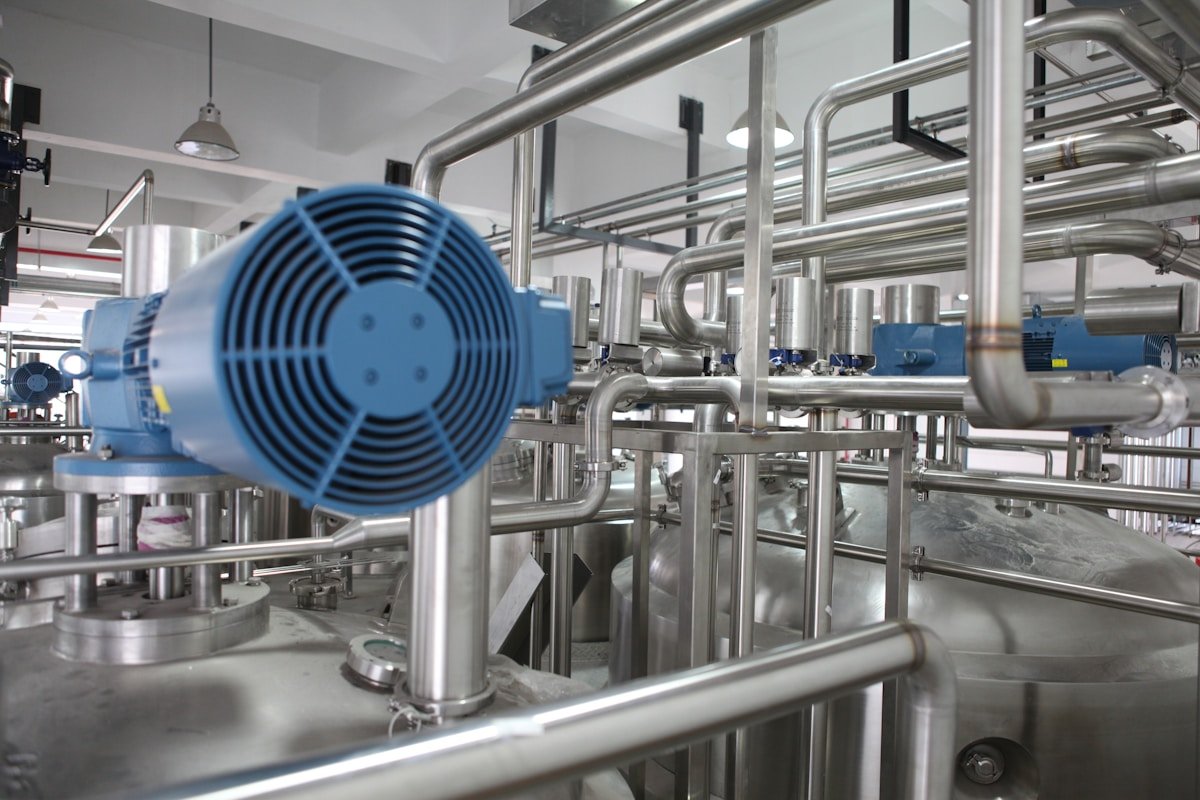 Projekt 54Gas is the bridge in ADNOC's thesis, the infrastructure that moves it from field to user is what XRG is buying.
Gas als Brücke, Chemikalien als Ziel, KI als Nachfrage
ADNOC hat deutlich gemacht, dass XRG darauf ausgelegt ist, drei Faktoren zu nutzen, die die Energienachfrage prägen: die Energiewende, das Wachstum künstlicher Intelligenz und den Aufstieg von Schwellenländern. Erdgas bildet das verbindende Element. XRG positioniert seine internationale Gasplattform als ein globales, integriertes Portfolio, das den erwarteten Anstieg der weltweiten Erdgasnachfrage um rund 15 Prozent im nächsten Jahrzehnt und den deutlich stärkeren Anstieg der LNG-Nachfrage bis 2050 decken soll. Damit positioniert sich Gas als kohlenstoffärmerer Übergangsbrennstoff und – ganz entscheidend – als Energiequelle für Rechenzentren. Die These lautet: KI basiert nicht auf Ambitionen, sondern auf Elektrizität, und ein Großteil dieser Elektrizität wird in absehbarer Zukunft aus Gaskraftwerken stammen.
That is why the US gas push matters. By expanding its exposure to Rio Grande LNG, including a move in early 2026 to add to its stake in later trains, and by targeting the infrastructure that moves gas from field to user rather than only the cargoes, XRG is buying a position in the supply chain that feeds American industrial and data-centre demand. On the chemicals side, the logic is integration and value capture: a major that already produces hydrocarbons can move downstream into the high-value polymers those hydrocarbons become, smoothing exposure to crude price cycles and capturing margin further along the chain. Dr Sultan Ahmed Al Jaber, ADNOC's group chief executive and XRG's chairman, framed the Covestro deal as one that accelerates XRG's ambition to become a top five global chemicals player. Taken together, gas is the bridge, chemicals is the destination, and AI-era demand is the wager that the bridge stays busy.
Expansion gegen eine Welle des Rückzugs
Der Zeitpunkt ist entscheidend. Im Laufe des Jahres 2025 und bis ins Jahr 2026 hinein verfolgten die großen westlichen Ölkonzerne eine defensive Kapitalstrategie. BP stoppte Aktienrückkäufe, um den Schuldenabbau zu beschleunigen, und plante milliardenschwere Vermögensverkäufe. Equinor und TotalEnergies reduzierten ihre Rückkaufprogramme, und Investoren drängten mehrere große Konzerne, Pipeline- und Speicherbeteiligungen an Private-Equity-Gesellschaften zu verkaufen, um Liquidität zu generieren. Die vorherrschende westliche Strategie war Disziplin, Bilanzsanierung und Rendite für die Aktionäre. ADNOC hingegen, gestützt auf Staatskapital und eine kostengünstige Rohstoffbasis, ging einen anderen Weg: Das Unternehmen hielt seine Investitionsausgaben konstant und nutzte XRG, um in großem Umfang globale Downstream- und Gasanlagen zu erwerben.
This contrast is not just a difference in mood, it is a difference in strategy that has consequences. A national oil company is using patient, state-backed capital to buy the very infrastructure and chemicals businesses that listed majors are pruning, which shifts ownership of critical energy assets and concentrates a growing share of global gas and polymers capacity under Abu Dhabi's umbrella. It echoes a pattern Project 54 has examined before in Eni's self-funding capital engine and in the Shell and Equinor consolidation of the North Sea: the majors are reorganising around fewer, larger, better-funded vehicles. ADNOC's version is the most expansionary of all, and it is being executed while competitors are looking inward.
Die zuverlässigsten Ausgaben im Energiebereich und ein Konzentrationsrisiko
For suppliers, ADNOC is now arguably the most dependable large-ticket procurement pipeline in the sector. A steady 30 billion dollars a year of group capital expenditure, plus an acquisitive international arm spanning gas infrastructure, LNG, chemicals and lower-carbon projects, widens the surface a vendor can sell into well beyond the traditional upstream wellhead. The qualification gates are real, in-country value and localisation requirements still shape who wins in the UAE, and the chemicals and international assets bring their own technical and ESG standards, but the direction is more procurement, across more categories, in more geographies, for longer. The suppliers who map ADNOC's expanding footprint and position against its stated priorities, gas, chemicals, AI-linked power and lower-carbon, are positioning against the largest committed spend in energy.
For competitors and buyers, the read is more strategic. ADNOC's consolidation of gas and polymers capacity gives it pricing and supply influence that grows with every deal, and its bet on AI-driven gas demand, if it proves right, hands Abu Dhabi a privileged position in the fuel that powers the next computing cycle. The risks are equally real and should be marked as analysis rather than fact: exposure to gas-price cycles, political and regulatory scrutiny of foreign ownership of LNG and critical infrastructure in markets like the United States, and the integration challenge of absorbing Covestro, Borouge and NOVA Chemicals into one coherent group. The forward trajectory is a Gulf major operating like a global energy-and-chemicals conglomerate, and the sensible posture for everyone else, supplier, competitor or customer, is to plan for ADNOC being bigger, broader and more international next year than it is today.
Sell to the priorities
Gas, chemicals, AI-linked power and lower-carbon are ADNOC's stated targets, position against them and you sell into the largest committed spend in energy.
Mind the gates
In-country value, localisation and chemicals-grade ESG and technical standards still decide who qualifies across ADNOC's widening footprint.
Plan for concentration
Each deal grows ADNOC's influence over global gas and polymers, a strategic factor for competitors and buyers to price in, marked as analysis.
Hör zu und nimm es mit.
Bevorzugen Sie Audio oder benötigen Sie die Präsentation für eine interne Prüfung? Das vollständige Briefing ist als Podcast-Folge und als herunterladbare Präsentation verfügbar.
What is the most important read on ADNOC's XRG expansion?
Häufig gestellte Fragen
XRG is ADNOC's international investment arm, launched in November 2024 with an enterprise value above 80 billion dollars and a mandate to invest across natural gas, chemicals and lower-carbon, scalable energy. Within about a year its enterprise value had grown to above 150 billion dollars, reported around 151 billion dollars, making it one of the largest energy-and-chemicals investment vehicles in the world.
ADNOC's board approved 150 billion dollars of capital expenditure for the 2026 to 2030 period, an average of around 30 billion dollars a year. That holds ADNOC's investment level steady with its previous five-year plan, a notable contrast with several Western majors that have cut buybacks and sold assets over the same period.
ADNOC says XRG is built around three forces, the energy transition, the growth of AI and the rise of emerging economies. Natural gas is positioned as a lower-carbon bridge fuel and, importantly, as the power source for data centres, while chemicals lets a hydrocarbon producer capture higher-value margin downstream and smooth exposure to crude price cycles. The gas platform targets an anticipated rise of around 15 percent in global gas demand over the next decade.
XRG completed the acquisition of Covestro, the German high-performance polymers maker, and formed Borouge International by merging Borouge with Borealis and acquiring NOVA Chemicals, creating a polyolefins group valued at roughly 60 billion dollars and jointly held with OMV. Dr Sultan Al Jaber framed the Covestro deal as accelerating XRG's ambition to become a top five global chemicals player.
It makes ADNOC arguably the most reliable large-ticket procurement pipeline in energy, with steady annual capital expenditure plus an acquisitive international arm spanning gas, LNG, chemicals and lower-carbon projects. The surface a vendor can sell into widens well beyond upstream, though in-country value, localisation and chemicals-grade technical and ESG standards still decide who qualifies. Suppliers who position against ADNOC's stated priorities are aligning with the largest committed spend in the sector.
Hol dir das nächste Geheimdienstverlust
Schließen Sie sich führenden Unternehmen der Energie- und Industriebranche an und erhalten Sie unsere Expertise in den Bereichen Marketing, KI-Wachstum und Umsatzarchitektur direkt und ohne Umschweife.
Du stehst auf der Liste
Willkommen beim Energy Growth Brief. Die nächste Ausgabe erhalten Sie in Kürze in Ihrem Posteingang.