






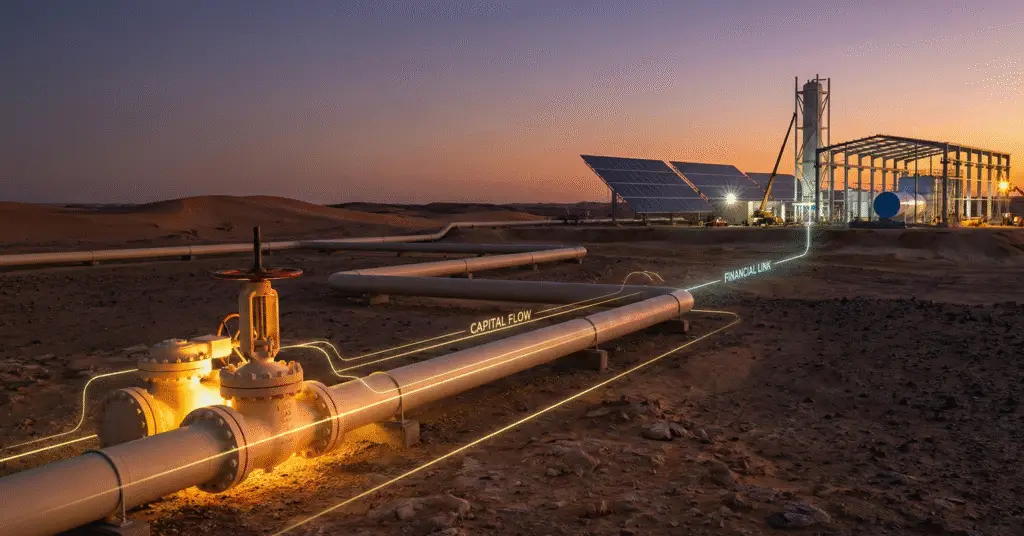
中東・北アフリカ(MENA)地域のエネルギー情勢は、静かに、しかし抜本的な資本再編の過程にある。GCC諸国の国営石油会社(NOC)は、パイプライン、貯蔵施設、送電網といった中核インフラ資産から巨額の資金を組織的に引き出し、二つの柱からなる戦略に資金を投入している。その戦略とは、石油・ガス事業における優位性を維持すること、そして低炭素燃料や下流事業への多角化を積極的に加速させることである。.
インフラ収益化として知られるこの戦略は、単なる資金調達戦術ではなく、 企業戦略 これは、バランスシートを最適化し、変動の激しい商品サイクルから国のエネルギー関連企業を将来にわたって守るものです。.
収益化の仕組み:リースバック、IPO、合弁事業
その中核となる仕組みは、リスクが低減された既存の中流・下流資産について、少数株主持ち分を売却するか、高度なリース・アンド・リースバック契約を締結することである。これらの資産は、長期にわたり公益事業のような固定利回り投資を求める世界の機関投資家(年金基金、政府系ファンド、インフラ投資に特化したプライベートエクイティファンドなど)にとって魅力的な投資対象となっている。.
主要な前例は、この傾向の規模と地域的な関連性を明確に示している。
- サウジアラムコ(サウジアラビア): リースバック契約を完了し、 110億TP4T ジャフラ非在来型ガスプロジェクト関連資産に関する取引。これは、地域における先例となった過去の画期的な取引に続くものである。.
- ADNOC(UAE): これまでに 140億TP4T パイプライン関連事業体の株式をブラックロックやKKRといった世界的な巨大企業に売却するなど、UAEの安定した規制枠組みの魅力を示している。.
- OQガスネットワークス(オマーン): 正常に実行しました $7億5000万ドルのIPO パイプライン部門の49%は、湾岸諸国および国際的な主要投資家を引き付けている。.
- バプコ・エナジーズ(バーレーン): 同社は、重要なサウジアラビア・バーレーン間の石油パイプラインの少数株を売却することで、インフラ事業の収益化を初めて開始した。ただし、運営上の支配権は維持した。.
この戦略的な資金調達は、2つの異なる市場圧力に対する洗練された回答である。 設備投資(capex) 複雑でリスクの高い上流開発プロジェクトや新規開発プロジェクトにおいて、州の利害関係者に対して安定した収益をもたらすことが不可欠である。.
資本の流れ:持続可能性と多様化
これらの取引によって得られた数十億ドルは、決して遊休資金として活用されるわけではない。その資金は直ちに、今後10年間のMENA地域のエネルギー政策を決定づける戦略的優先事項に再投資される。.
I. コアアップストリームおよびLNG事業の拡大
資本のかなりの部分が、生産能力の維持・拡大のために、中核となる炭化水素資産に再投資されている。国営石油会社(NOC)は市場シェアの維持を義務付けられており、そのためには、天然ガス田の枯渇を補い、生産能力目標を引き上げるための継続的な投資が必要となる。.
- ガス開発: サウジアラビアのジャフラガス田のような大規模ガスプロジェクトに資金が投入されている。ジャフラガス田は、国内電力、工業原料、ブルー水素にとって重要な非随伴ガス資源となる。この収益化モデルは、こうした大規模事業のリスクを軽減し、加速させるための即時的な資金注入を可能にする。.
- LNGプラント建設計画: この資金調達は、液化天然ガス(LNG)プロジェクト、特にカタール主導の拡張事業への取り組みを強化するものであり、長期的な世界ガス市場シェアの確保を目指している。.
II.グリーンへの転換:水素と再生可能エネルギー
資本の第二の、そしてますます重要性を増している投資先は、エネルギー転換への多角化である。国家のバランスシートを活用して、こうした資本集約型の新興セクターに資金を提供することは、MENA地域にとって重要な戦略的優位性となる。.
- 青色の水素: 資金化によって、重要な二酸化炭素回収・貯留(CCS)施設や水素製造施設の建設が可能になります。例えば、ジャフラガスプロジェクトはブルー水素のバリューチェーンに直接貢献しており、新たなインフラ資金調達によって迅速な展開が保証されています。.
- 大規模再生可能エネルギー: この資本は、ギガワット級の太陽光発電、風力発電、蓄電池プロジェクトに必要な自己資本拠出を保証するものです。これにより、ACWA Powerのような開発企業(多くの場合、国営石油会社と提携)は、エジプトの1ギガワット級太陽光発電・蓄電池複合施設のようなプロジェクトに対し、有利な長期融資を確保することができます。.
好転シナリオと戦略的リスク
MENA地域にとって、この戦略的なメリットは非常に大きい。インフラを独立した資産クラスとして位置づけることで、国営石油会社(NOC)は効率性を高め、資産価値の透明性を確保し、世界の民間セクターとの連携を深めることができる。このモデルは、安定した中核資産がダイナミックで高成長な拡張資産の資金調達を支える、効率的な自己資金調達サイクルを生み出す。.
しかし、リスクは依然として存在する。
- 地政学的リスクプレミアム: 長期契約は投資家リスクをある程度軽減するものの、地域情勢の不安定さが続くと、企業価値評価や将来の資金調達ラウンドへの投資家の意欲に影響を与える可能性がある。.
- 契約の複雑さ: これらの取引は多くの場合非常に複雑で、長期的な収益を保証するための特注の規制および法的枠組み(例えば、テイク・オア・ペイ契約)が伴います。20~30年にわたるこれらの契約の安定性を確保することが最重要課題です。.
- 規制の一貫性: 安定した予測可能な規制環境を維持することは、資本コストを低く抑えるために不可欠である。財政条件や外資所有制限に急激な変更があれば、将来の機関投資を阻害する可能性がある。.
経営幹部や事業開発リーダーにとって、このメッセージはチャンスに満ちています。グレート・アンバンドリングは、数十億ドル規模のブラウンフィールドおよびグリーンフィールドの機会を生み出しています。この地域は、資本だけでなく、専門的な技術、卓越した運用能力、そしてこれらのミッションクリティカルな資産を管理するための長期的な視点をもたらすことができるパートナーを積極的に探しています。収益化のトレンドは、最初に明確に確立されたのは 2025, は、近い将来、MENA地域のエネルギー分野における主要な金融モデルとなる見込みである。.
戦略的視点:供給、需要、そして地域的連携
この問題の核心は 政策リスク 国境を越えたエネルギー貿易に関連している。シェブロンが主導するパートナーシップによって運営されているレヴィアタン油田は、東地中海のガスエコシステムの要となっている。当初の合意は、国内のエネルギー需要、特に発電需要が急速に増加しているエジプトへの既存のガス輸出を倍増させることを目的としていた。発電需要は今後10年間で最大$50%$増加すると予測されている。.
エジプトの戦略的目標は、国内の急増する需要を満たすこと、そして極めて重要なことに、十分に活用されていないLNG液化プラント(イドクとダメッタ)を利用して、ヨーロッパやアジアへの収益性の高い再輸出を行うことです。レバイアサン(ガス田)の拡張は、国内生産では賄いきれない、安定的かつ長期的な供給源となる原料ガスを確保するという、この戦略の基盤となりました。.
キーコンテクスト 当初の輸出協定は、両国間のエネルギー外交の頂点であり、共有インフラと経済的利益に基づいた新たな地域統合の時代を促進しました。現在の停滞は、この安定の認識を打ち砕いています。.
投資家にとってのリスクとアップサイドシナリオ
当面の主なリスクは、シェブロン社とそのパートナーが11月30日と定めた初期段階での段階的生産開始という契約上の期限を守れないことです。この期日を過ぎても明確な解決策が見出されず、取引が破棄された場合、それは地中海東部におけるガス開発にとって、近年最大級の政治的要因による遅延となるでしょう。.
$quad$ 直近のリスク
- 財務・設備投資リスク この14兆ドルの長期契約に基づいて開発決定を行ったレヴィアタン油田の投資家やパートナーは、収益予測や投下資本利益率(ROCE)に大きなリスクを抱えている。.
- エジプトのエネルギー安全保障 取引の遅延または中止は、エジプトの短期的なエネルギー計画を複雑にし、高価なLNG(液化天然ガス)の輸入を増やしたり、ピーク需要を管理するために一時的な停電を実施したりすることを余儀なくされ、エネルギー再輸出モデルへの信頼を損なう可能性があります。.
- 地域プロジェクトファイナンス その不確実性は、将来の国境を越えたプロジェクトに影響を与えます。融資機関や政府系ファンド(SWF)は、地中海東部における新たなガスパイプラインおよび開発プロジェクトに対し、大幅に高い政治リスクプレミアムを適用する可能性が高いです。.
$quad$ 上昇シナリオと先行事例
状況は危険ですが、このような政治的な休止は、完全な中止というよりは交渉の駆け引きとして機能することが多いのを覚えておくことが重要です。.
- 外交的解決 エネルギー外交には、危機を解決してきた歴史がある。第三国の同盟国や東地中海ガスフォーラム(EMGF)のような地域組織が仲介した外交介入が成功することが、長期的な解決策として最も可能性が高い。両国にとって経済的なインセンティブは計り知れず、交渉の強力な支えとなる。.
- インフラストラクチャーのレジリエンス 既存のパイプラインインフラ(例:アリーシュ・アシュケロンパイプライン)は、法的紛争により2年以上活動停止に陥ったイラク・トルコパイプライン(ITP)とは異なり、無傷で稼働したままである。現在の問題は、〜に関する方針決定である。 増分フロー, 物理的な既存能力の破壊ではなく。.
- ITP再開の前例 最近、長らく中断されていたイラク・トルコパイプラインの再開は、バグダッドとクルディスタン地域政府(KRG)が最終的に石油輸出再開のための商業的・政治的枠組みを見出し、イラク国営石油マーケティング機構(SOMO)の監督下で実現した前例となります。ここでは、ガス監督のための新たな枠組みが必要となる可能性があります。.
Cスイート(経営層)にとっての戦略的含意
MENA地域のエナジーエグゼクティブ、特にアップストリーム開発およびインフラ金融に携わる人々にとって、この状況は2つの明確な教訓をもたらします。
- ストレス テスト ポリシー変数 地域プロジェクトの開発においては、たとえ完全に交渉済みの15年間の協定であっても、政治的な動機による突然の政策転換に対する厳格なストレステストを組み込む必要がある。2025年のエネルギー情勢においては、地域の地政学的変動性を織り込んだ動的なリスクモデルが求められる。.
- 供給源および販売先を多様化する エジプトの状況は、単一の主要なガス供給源に対するLNG再輸出戦略の脆弱性を浮き彫りにしています。他の国々にとっては、これは、再生可能エネルギーや水素をガスと統合すること、そして顧客集中リスクを軽減するために、地理的に多様な複数のオフテイク契約を確保するなど、原料の多様化戦略を強化することになります。.
11月30日の締め切りまでの数週間は極めて重要になるだろう。この解決策が、レバントおよび北アフリカ全域の将来のインフラ融資における地政学的リスクプレミアムを規定することになる。.
出典
- MENAエネルギー総括、2025年第3四半期:湾岸の大手企業は海外へ、国内は脆弱な合意 (Middle East Institute)
- エネルギーエグゼクティブアジェンダ2025:新たな課題、新たなイノベーション(ベイン・アンド・カンパニー)