

Adura: Inside the Shell and Equinor North Sea Venture, and the Consolidation Playbook for Mature Basins
Shell and Equinor have pooled their UK offshore assets into Adura, the North Sea's largest independent producer. This dossier looks below the headline at the logic, late-life cash, decommissioning scale, tax efficiency and two flagship developments, and at what the consolidation move signals for everyone who sells into a maturing basin.
- Adura is a 50/50 Shell and Equinor joint venture, headquartered in Aberdeen, formed to become the UK North Sea's largest independent producer.
- It is projected to produce over 140,000 boe/d in 2026, more UK North Sea oil and gas than any other producer, on Wood Mackenzie data.
- It holds 12 producing assets including Buzzard, Clair and Schiehallion, plus the two biggest upcoming UK developments: Rosebank and Jackdaw.
- The structure is built for late life: shared decommissioning scale and tax efficiency, with Adura saying Rosebank and Jackdaw could mean around 8 billion pounds of direct UK investment.
- The strategic lesson: in a managed-decline basin, value concentrates in consolidated operators, and suppliers must sell to the new operating logic, not the old field-by-field one.
The Largest Independent in the Basin
On 1 December 2025, Shell and Equinor completed the formation of Adura, a 50/50 joint venture headquartered in Aberdeen that brings together their UK offshore oil and gas portfolios into what both partners describe as the UK North Sea's largest independent producer. Adura assumes interests in 12 producing assets and projects, Mariner, Rosebank, Buzzard, Shearwater, Penguins, Gannet, Nelson, Pierce, Jackdaw, Victory, Clair and Schiehallion, and employs around 1,200 people, with Neil McCulloch, a three-decade industry veteran, as chief executive.
The scale is real. Adura is expected to produce over 140,000 barrels of oil equivalent per day in 2026 and, on Wood Mackenzie data, more oil and gas from the UK North Sea than any other producer. Shell's executive vice president for conventional oil and gas, Rich Howe, called it an historic moment, saying Adura is, in his words, "well-positioned to lead in this mature basin." Equinor's Philippe Mathieu framed it as "a new chapter in the UK North Sea, bringing together two strong portfolios and decades of experience." Both phrases point at the same idea: this is a venture built deliberately for the basin's late life, not its discovery phase.
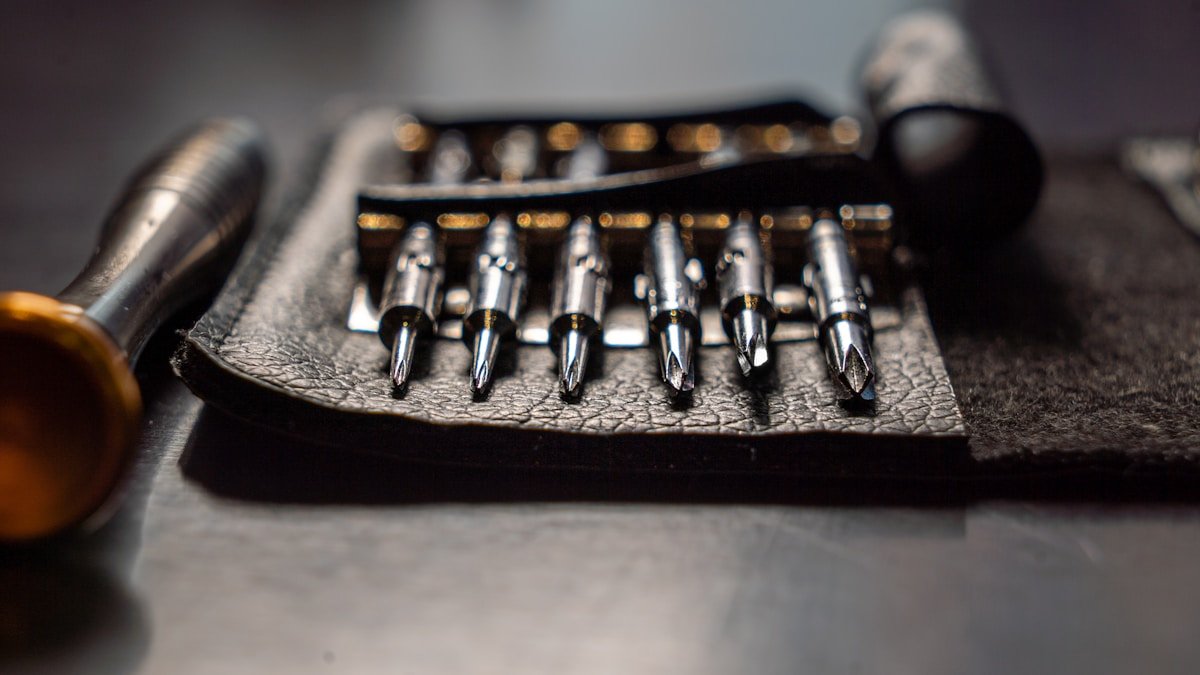 Fig. 01Subsea and offshore engineering, the assets Adura now consolidates
| Attribute | Detail | Note |
|---|---|---|
| Ownership | Shell 50% / Equinor 50% | Joint venture, HQ Aberdeen |
| Formed | Completed 1 December 2025 | Largest UK independent |
| 2026 production | Over 140,000 boe/d (projected) | Most in UK North Sea, WoodMac |
| Producing assets | 12 incl. Buzzard, Clair, Schiehallion | ~1,200 employees |
| Flagship developments | Rosebank (oil), Jackdaw (gas) | ~£8bn potential UK investment, company-stated |
| CEO | Neil McCulloch | 30+ years industry experience |
Why Consolidation, and Why Now
The reasoning is the economics of a mature basin. As fields age, the marginal barrel gets more expensive, decommissioning liabilities loom larger, and the fixed cost of running offshore infrastructure weighs more heavily on each unit of output. Pooling assets lets two partners spread those fixed costs, share decommissioning scale and concentrate technical expertise on the assets with the most life left, rather than each running a thinning portfolio at sub-scale. Consolidation is how value is defended when a basin is no longer growing.
Timing matters too. The UK's Energy Profits Levy has pushed the headline tax rate on North Sea production high enough that standalone new investment is often marginal, and operators have responded by restructuring rather than simply withdrawing. Folding the portfolios into one vehicle lets the partners optimise across the combined asset base, including how losses, allowances and decommissioning relief are used, which is exactly where the venture has drawn scrutiny.
Late-life cash
A combined portfolio concentrates capital and expertise on the highest-value remaining barrels, defending cash flow as individual fields decline.
Decommissioning at scale
Pooling ageing assets lets the partners plan and fund decommissioning across a portfolio rather than asset by asset, a structural cost advantage.
Tax and capital efficiency
Under the Energy Profits Levy, the combined vehicle can optimise losses, allowances and relief across assets, the efficiency that critics say also reduces the UK tax take.
Two Flagships, and the Controversy
Adura takes on the two largest upcoming developments in UK waters: Equinor's Rosebank oil field and Shell's Jackdaw gas project. The venture has said that, combined, the two could represent around 8 billion pounds of direct investment into the UK, the case it makes for the deal's national value. These are not legacy fields; they are the growth inside an otherwise maturing portfolio, and they are why Adura is positioned as a producer with a future rather than a wind-down vehicle.
They are also why the venture is contested. Campaign groups have argued the structure lets Shell offset tax liabilities against Equinor's accumulated losses and allowances, with critics estimating Shell could avoid in the region of 1.3 billion pounds in UK tax, a figure that is a campaigners' estimate rather than a confirmed number, and protests have targeted what they call an Adura tax dodge. Separately, the regulator OPRED has pressed Adura over the Jackdaw and Rosebank environmental statement, questioning its reporting of atmospheric and downstream emissions and economic impact, and told the developer to revise emissions estimates. The strategic point stands either way: the same consolidation that improves the economics also concentrates the political and regulatory exposure into a single, highly visible entity.
The Lesson for Anyone Selling Into the Basin
Adura is a template. Mature basins worldwide, the UK North Sea, parts of the Gulf of Mexico, ageing assets in Southeast Asia, are following the same logic: fewer, larger, consolidated operators running rationalised portfolios for cash and managed decline. For suppliers, that reshapes the market. The buying committee you sold to field by field is being replaced by a single operator with one procurement standard, a rationalised vendor list and a sharper focus on cost-per-barrel and decommissioning efficiency. The same capital-discipline logic is visible across the majors, as our analysis of Eni's self-funding capital engine traces in detail.
The commercial response is to sell to the new operating logic. That means positioning against late-life economics and decommissioning rather than greenfield growth, demonstrating measurable cost and uptime advantage, and getting onto the consolidated operator's approved-vendor list before the supplier base is trimmed. It is the procurement-readiness discipline we have written about in the context of the vendor valuation gap and the Gulf services market: in a consolidating basin, visibility and prequalification with the surviving operators is the difference between compounding with them and being rationalised out. Adura is the clearest signal yet that the North Sea has entered that phase.
Listen & take it with you
Prefer audio, or need the deck for an internal review? The full briefing is available as a podcast episode and a downloadable slide presentation.
What does the Adura consolidation mean for your business?
Frequently asked
Adura is a 50/50 joint venture between Shell and Equinor, headquartered in Aberdeen, that combines their UK North Sea oil and gas assets into the basin's largest independent producer. It was completed on 1 December 2025.
Adura is projected to produce over 140,000 barrels of oil equivalent per day in 2026, which on Wood Mackenzie data is more UK North Sea oil and gas than any other producer.
Interests in 12 producing assets and projects, including Mariner, Rosebank, Buzzard, Shearwater, Penguins, Gannet, Nelson, Pierce, Jackdaw, Victory, Clair and Schiehallion, with around 1,200 employees.
Campaign groups argue the structure lets Shell offset tax against Equinor's accumulated losses, with critics estimating around 1.3 billion pounds of avoided UK tax, a campaigners' estimate. The regulator OPRED has also questioned the Jackdaw and Rosebank emissions reporting.
It signals consolidation: fewer, larger operators with rationalised vendor lists. Suppliers should position against late-life and decommissioning economics and secure approved-vendor status with the surviving operators before the supplier base is trimmed.
Get the next intelligence drop
Join energy and industrial leaders getting our marketing, AI-growth and revenue-architecture intelligence, direct, no filler.
You're on the list
Welcome to The Energy Growth Brief, watch your inbox for the next dispatch.