


The GCC Oilfield Services Market in 2026: Where the Spend Is, and How Suppliers Win Procurement
MENA oilfield services spending passes 34 billion dollars in 2026, anchored by Saudi gas programmes and Emirati LNG and digital-well investment. This dossier maps the market's size, the three forces redirecting the spend, and the procurement realities, localisation above all, that decide which suppliers actually capture it.
- MENA oilfield services: about 32.7 billion dollars in 2025, 34.7 billion in 2026, heading to 45.7 billion by 2031 at a 5.65 percent CAGR.
- Saudi Arabia holds roughly 30 percent of regional revenue, about 14.5 billion dollars in 2025, with Jafurah alone deploying over 50 land rigs by 2030.
- The spend is pivoting from oil to gas: Tanajib reached 2.6 bcf/d of processing capacity in 2026 and ADNOC's Ruwais LNG hit 9.6 mtpa.
- Localisation programmes, IKTVA in Saudi Arabia and ICV in the UAE, are scored gates in procurement, not paperwork; in-country value now decides shortlists.
- Digital credentials are becoming table stakes: ADNOC's 920 million dollar digital-well initiative embeds AI requirements directly into service contracts.
The Market, Sized and Located
Across Middle East and North Africa, oilfield services revenue is estimated at 32.7 billion dollars for 2025, growing to about 34.7 billion in 2026 and 45.7 billion by 2031, a compound annual growth rate of 5.65 percent according to Mordor Intelligence. Within that, the GCC concentration is extreme: Saudi Arabia alone accounts for roughly 30 percent of regional revenue, an estimated 14.5 billion dollars in 2025, with independent forecasts seeing the kingdom reaching 22.5 billion by 2032.
Two features distinguish this market from every other oilfield services region. First, demand is anchored by national oil companies, Aramco, ADNOC, QatarEnergy, KOC, whose multi-year programmes insulate spend from the quarterly capex cycles that whipsaw North American services. Second, growth survives oil-price softness because its centre of gravity has moved to gas, where the GCC's domestic-demand and LNG-export logic is structural.
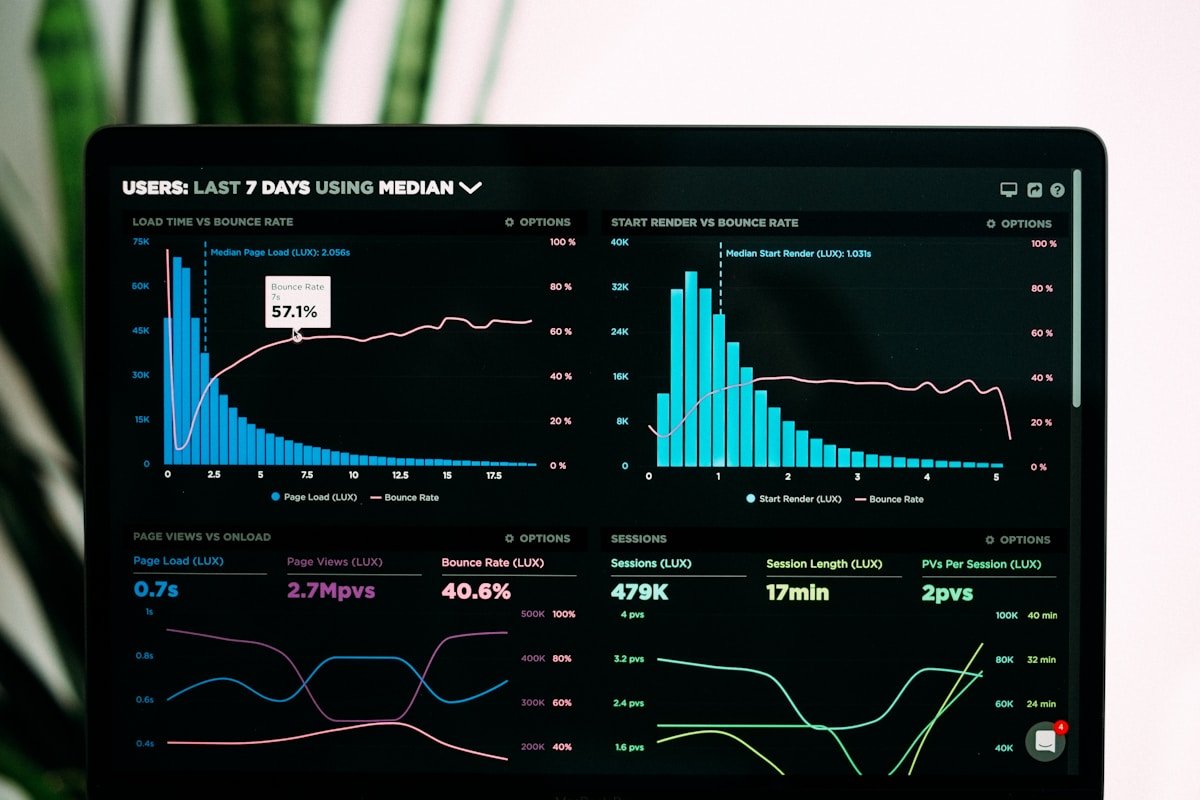 Fig. 01Market analytics dashboard, services demand by programme
| Market | 2025 estimate | Trajectory |
|---|---|---|
| MENA oilfield services | $32.7 billion | $45.7 billion by 2031, 5.65% CAGR |
| Saudi Arabia | $14.5 billion (~30% of region) | $22.5 billion by 2032, ~6.5% growth |
| Jafurah unconventional gas | Flagship programme | 50+ land rigs deployed by 2030 |
| Tanajib gas plant | Onstream | 2.6 bcf/d capacity reached in 2026 |
| UAE, Ruwais LNG | Onstream | 9.6 mtpa achieved |
| UAE, digital wells | $920 million initiative | AI embedded across well portfolio |
Three Forces Redirecting the Spend
The headline growth rate undersells how much the composition of demand is changing. Three forces are redirecting where the money lands:
The gas pivot
Saudi unconventionals (Jafurah), Tanajib processing and regional LNG ambitions shift demand toward drilling intensity, completions, gas processing and compression services rather than conventional oil workovers.
Unconventional programmes
Shale-style factory drilling arrives in the GCC at scale: more than 50 land rigs at Jafurah by 2030 means sustained demand for rigs, pressure pumping, water management and proppant logistics.
Digital and AI mandates
ADNOC's 920 million dollar digital-well programme writes AI, remote operations and data requirements directly into service scopes; vendors without digital credentials are structurally excluded.
IKTVA and ICV: The Gate Most Suppliers Underestimate
GCC procurement is formally scored on in-country value. Saudi Arabia's IKTVA programme and the UAE's ICV programme assign suppliers a percentage score for local manufacturing, local employment, local supplier spend and local investment, and that score is weighted directly in tender evaluation. A technically superior bid with a weak localisation score loses, routinely, to a competent bid with a strong one.
The strategic consequence: market entry is a multi-year investment decision, not a sales campaign. Winning suppliers sequence it deliberately, agent or distributor presence first, then in-country service capability, then assembly or manufacturing, raising their score with each stage. Localisation also compounds as a moat: once a supplier has invested in local capability, its scored advantage makes displacement by late entrants progressively harder.
For marketing teams this changes the brief. Credibility content in the GCC is not generic capability collateral; it is localisation evidence, named local partnerships, in-country case studies, regional certifications and Arabic-language technical depth, surfaced where NOC procurement teams and their advisors actually look.
How Suppliers Actually Win the Spend
NOC procurement runs on prequalification, and prequalification runs on documents. The suppliers who win treat readiness as infrastructure: current ISO and API certifications, HSE statistics, financial standing, reference letters and localisation scores assembled into a single evidence pack before the tender appears, not after. In our procurement-ready work with industrial clients, the pattern is consistent, deals are lost in the data room more often than in the field.
Beyond the paperwork, three commercial behaviours correlate with success. First, programme alignment: position against named programmes, Jafurah, Tanajib, Ruwais, digital wells, because budgets attach to programmes, not to generic capability. Second, committee mapping: NOC buying decisions span engineering, procurement, local-content officers and increasingly digital teams; each needs different evidence. Third, visibility where evaluation happens: GCC technical buyers research suppliers in search engines and, increasingly, through AI assistants; a supplier whose expertise is not legible there enters every tender as a stranger.
The market rewards patience and structure. At 5 to 7 percent compound growth with NOC-anchored demand, the GCC is the most forecastable oilfield services region in the world, and the suppliers who industrialise their market entry, localisation, evidence and visibility treated as systems, compound with it.
Listen & take it with you
Prefer audio, or need the deck for an internal review? The full briefing is available as a podcast episode and a downloadable slide presentation.
What is the biggest barrier between your company and GCC oilfield revenue?
Frequently asked
Approximately 34.7 billion dollars for MENA in 2026, within a trajectory from 32.7 billion in 2025 to an estimated 45.7 billion by 2031, a 5.65 percent compound annual growth rate.
Saudi Arabia, with roughly 30 percent of regional revenue, about 14.5 billion dollars in 2025, anchored by Aramco programmes including the Jafurah unconventional gas development.
Saudi Arabia's In-Kingdom Total Value Add and the UAE's In-Country Value programmes. Both score suppliers on local content, manufacturing, employment, supplier spend, investment, and weight that score directly in tender evaluation. Read the full explainer: What are IKTVA and ICV?
Yes. Flagship spend is concentrated in gas: Jafurah's 50-plus rigs by 2030, Tanajib's 2.6 bcf/d processing capacity and Ruwais LNG's 9.6 mtpa all anchor a structural pivot toward gas-directed services.
Realistically two to four years from first presence to meaningful contract wins, because localisation scores, prequalification records and NOC relationships compound over cycles rather than campaigns.
Get the next intelligence drop
Join energy and industrial leaders getting our marketing, AI-growth and revenue-architecture intelligence, direct, no filler.
You're on the list
Welcome to The Energy Growth Brief, watch your inbox for the next dispatch.