



What Is B2B Energy Procurement? The Process, the Stakeholders, and How Vendors Win It
Business to business energy procurement is not one purchase decision, it is a governed, multi stage process run by a committee, gated by prequalification and local content rules, and stretched across many months. Vendors that treat it as a single sale to a single buyer lose to those that understand the whole machine. This guide defines B2B energy procurement, walks the process end to end, names the stakeholders who actually decide, explains what makes the energy sector distinct, and sets out how a supplier positions to win.
- B2B energy procurement is a multi stage governed process, not a single sale: need, specification, registration and prequalification, tender, evaluation, award, onboarding.
- The decision is made by a committee, not a person. Technical, operations, commercial, procurement, HSE and finance each hold part of the yes.
- Hard gates decide eligibility before commercials are heard: vendor registration, prequalification, local content scores and sustainability requirements.
- Energy procurement is distinct because of capital scale, long cycles, safety and reliability stakes, and local content and sustainability regimes that most sectors do not face.
- Vendors win by prequalifying early, clearing the compliance gates, and equipping each stakeholder with the specific proof it needs, well before the tender opens.
A governed process, not a purchase
B2B energy procurement is the disciplined way energy buyers acquire what they need from other businesses, from drilling equipment and engineering services to software, chemicals and low carbon solutions. The defining feature is governance. Unlike a consumer purchase or a simple business buy, an energy procurement decision is documented, staged, auditable and shared across functions, because the sums are large, the operational and safety stakes are high, and the buyer is often accountable to regulators, joint venture partners and national authorities.
That governance is why selling into energy differs from selling into most sectors. The buyer is not looking for the best pitch, it is looking for the lowest risk defensible choice that clears every gate. Understanding the process, and where the real decisions are made inside it, is the difference between a vendor that gets shortlisted and one that never clears prequalification.
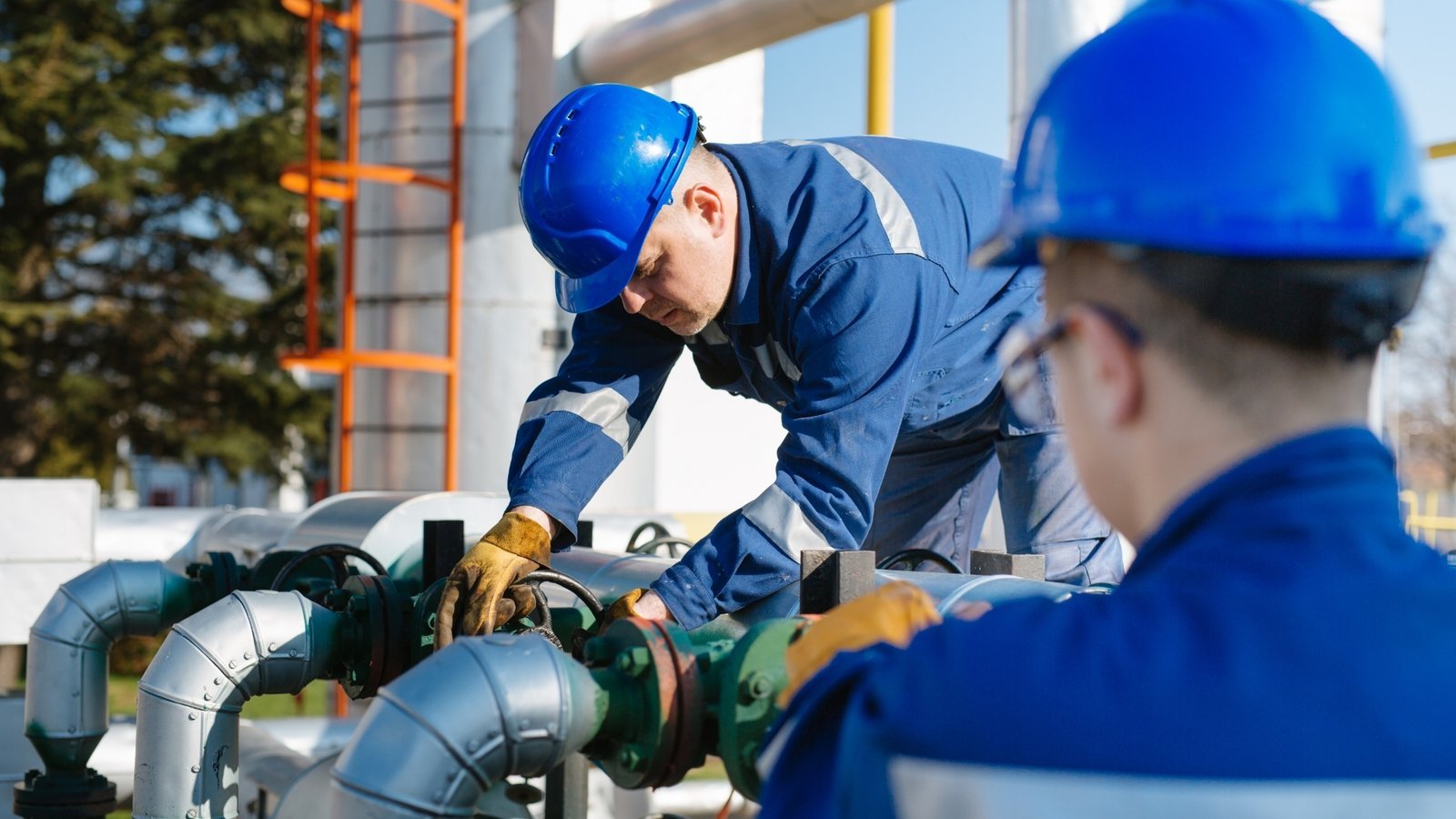 Project 54Energy procurement is a committee sport: technical, operations, procurement, HSE and finance each hold part of the decision.
From need to onboarding, in defined stages
A typical B2B energy procurement runs through a recognisable sequence. Each stage has its own owners and its own failure modes for a vendor, and most deals are lost at the early gates, not the final negotiation.
| Stage | What happens | Where vendors win or lose |
|---|---|---|
| 1. Need and specification | The operator defines the requirement and technical specification, often with input from engineering and operations | Shape the spec early through technical credibility, or arrive after it is written to a competitor's strengths |
| 2. Vendor registration and prequalification | Suppliers are registered, screened and prequalified on capability, HSE, financial standing and compliance | A hard gate: unregistered or non compliant vendors are filtered out before commercials are seen |
| 3. Tender or RFP | In scope vendors are invited to bid against defined criteria | Respond to the stated evaluation criteria, not a generic pitch; missing a criterion can disqualify |
| 4. Evaluation | A committee scores bids on technical, commercial, risk and local content factors | Give each function the evidence it scores on; a single weak dimension can sink a strong bid |
| 5. Award and negotiation | The preferred supplier is selected and terms finalised | References, risk terms and commercial fit decide it; procurement leads this stage |
| 6. Onboarding and delivery | The vendor is set up and performance is monitored against the contract | Delivery and safety performance determine renewal and future prequalification standing |
A committee, each holding part of the yes
No single person owns an energy procurement decision. The technical and engineering function judges whether the solution works on assets like theirs. Operations weighs uptime, integration and safety. Procurement runs the process, enforces the gates and leads commercial negotiation. Health and safety can veto on HSE grounds. Finance owns the payback and risk case. In many markets a local content or national participation function scores the bid on in country value. This is the multi stakeholder reality we map in detail in selling to the energy buying committee and in our energy procurement buyer persona framework.
The implication for vendors is that a champion is necessary but never sufficient. A deal advances only when every function can defend the choice in its own terms. That is why account based selling fits energy so well: as we set out in account based marketing for energy B2B, the winning motion equips the whole committee, not just the enthusiast, with the specific proof each role needs.
Scale, gates and local content change the game
Four things make energy procurement distinct. Capital scale means contracts are large and scrutiny is intense. Long cycles mean decisions run many months, so positioning has to start long before the tender. Safety and reliability stakes mean HSE and technical assurance can override price. And local content and sustainability regimes, from iktva and ICV scoring in the Gulf to sustainable procurement requirements, add gates that most other sectors never see.
Winning follows directly from those facts. Prequalify and register early, so you are eligible before the tender opens. Clear the compliance and local content gates as a precondition, not an afterthought. Build technical and safety proof for the functions that can veto you. And market to procurement readiness, not just brand, which is the core argument of our work on procurement ready marketing. Done well, procurement stops being a filter you fear and becomes a moat that protects incumbents like you. It is revenue architecture, engineered, not assumed.
Listen & take it with you
Prefer audio, or need the deck for an internal review? The full briefing is available as a podcast episode and a downloadable slide presentation.
You are a supplier and a major energy operator has just opened a tender you want. When should you have started working the account?
Frequently asked
It is the structured, governed process by which energy companies buy goods and services from other businesses. It runs through defined stages, from need and specification to registration, tender, evaluation, award and onboarding, and is decided by a cross functional committee under hard compliance gates.
A typical process runs: need and specification, vendor registration and prequalification, tender or request for proposal, evaluation, award and negotiation, then onboarding and delivery. Most deals are won or lost at the early registration and specification gates rather than the final negotiation.
A committee holds the decision: technical and engineering, operations, procurement, health and safety, finance, and often a local content or national participation function. Each judges the bid in its own terms, so a vendor needs to satisfy all of them, not just a single champion.
Capital scale, long multi month cycles, high safety and reliability stakes, and local content and sustainability regimes such as iktva, ICV and sustainable procurement. These add hard eligibility gates and cross functional scrutiny that most other B2B sectors do not face.
Prequalify and register early, clear the compliance and local content gates as a precondition, build technical and safety proof for the functions that can veto, and market to procurement readiness rather than brand alone. The goal is to be shortlisted and defensible before the tender opens.
Get the next intelligence drop
Join energy and industrial leaders getting our marketing, AI-growth and revenue-architecture intelligence, direct, no filler.
You're on the list
Welcome to The Energy Growth Brief, watch your inbox for the next dispatch.