



TotalEnergies' Two Pillar Bet: How an LNG Cash Engine Funds an Electricity Growth Machine
At its 2025 results and 2026 objectives presentation, TotalEnergies restated a strategy it calls anchored on two pillars: Oil and Gas, mainly LNG, and Integrated Power. It is not a hedge between old and new energy, it is a deliberate machine, disciplined hydrocarbon cash flow funding a fast growing electricity business, with LNG as the bridge between them. This dossier unpacks what the French major is doing, the logic and capital discipline behind it, the 2030 trajectory it implies, and the commercial lesson for anyone selling into an energy buyer that now spans molecules and electrons.
- TotalEnergies runs an explicit two pillar model: Oil and Gas (mainly LNG) as the cash engine, and Integrated Power as the growth engine, with LNG as the bridge asset between them.
- The 2026 objectives target integrated LNG growth near 3 percent a year and electricity output up more than 10 percent a year to 2030, with electricity up about 25 percent in 2026 as North Field East (Qatar) and Costa Azul (Mexico) offtake and gas to power capacity come online.
- Capital discipline is the spine: 17 to 18 billion US dollars a year of capex across 2025 to 2028, roughly half to growth and about a third to low carbon, with shareholder distributions of up to 40 percent of cash flow in a supportive price environment.
- The renewable target is more than 100 gigawatts of net installed capacity by 2030, from around 22 gigawatts at end 2024, but the emphasis is integrated power (generation plus flexibility plus supply), not merely megawatts.
- For energy B2B sellers, the buyer has changed shape: the same organisation now procures across LNG, gas to power and renewables. Positioning has to speak to an integrated profit and loss, not a single fuel.
Two pillars, one machine
TotalEnergies has been consistent that its portfolio rests on two pillars. The first is Oil and Gas, weighted increasingly toward LNG, which the company treats as the durable cash generator of the group. The second is Integrated Power, its electricity business spanning renewable and flexible generation, storage, trading and retail supply. In its 2025 results and 2026 objectives materials the company describes the strategy as anchored on those two pillars and emphasises accretive growth with cost discipline, rather than growth for its own sake (TotalEnergies, 2025 Results and 2026 Objectives).
The near term numbers show where the growth is pointed. Integrated LNG is guided to grow around 3 percent a year through 2030, with 2026 adding new offtake as the North Field East project in Qatar (about 2 million tonnes per year of offtake) and the Costa Azul plant on Mexico's Pacific coast (about 1.7 million tonnes per year) start up. Electricity is the faster pillar: output is targeted to rise more than 10 percent a year to 2030, and about 25 percent in 2026 alone, helped by gas to power integration in the United States and Europe (RBN Energy, Q1 2026).
The framing matters as much as the figures. TotalEnergies is not presenting LNG and power as competing bets, it is presenting them as one system in which gas underwrites and physically supplies a growing electricity business. That is a different posture from a pure upstream major and from a pure renewables developer, and it is the reason the company can grow electrons while still leaning on hydrocarbon cash.
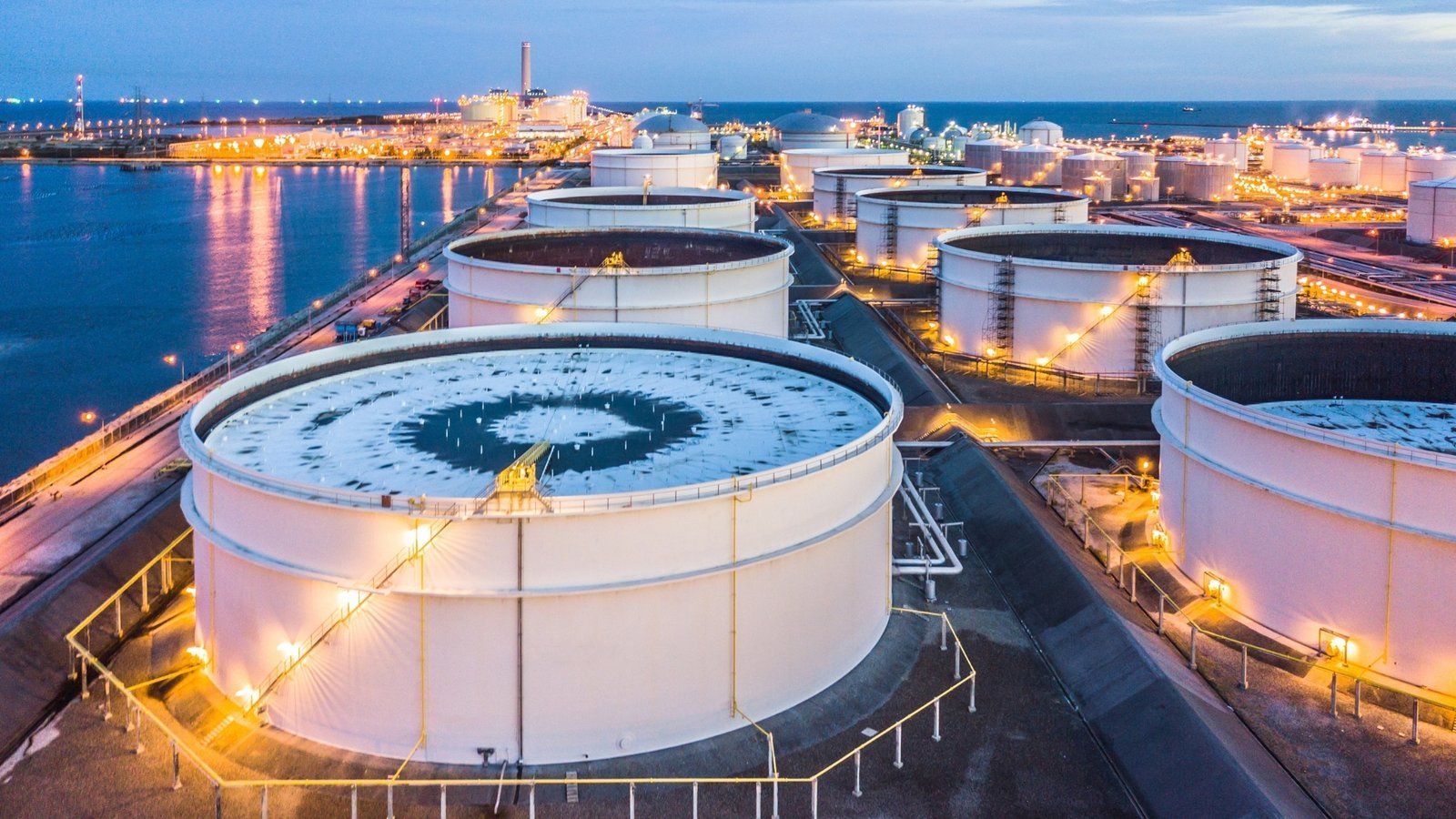 Project 54LNG is TotalEnergies' bridge asset: a growth commodity that also fuels the gas to power leg of its Integrated Power pillar.
Why gas underwrites the electron
The root cause is a view about how the transition actually pays. Renewable generation on its own is capital intensive and exposed to merchant power prices, while upstream oil is high margin but volatile and politically constrained. By integrating power (generation plus flexibility plus trading plus supply) and by using gas to power to firm intermittent output, TotalEnergies aims for returns on electricity that resemble an integrated business rather than a subsidised one. LNG is the connective tissue: it is a growth commodity in its own right, and it is the fuel that makes the gas to power leg work.
This also explains the discipline. The company has repeatedly stressed accretive growth, holding capex steady and opex per barrel low, precisely so the oil and gas pillar keeps throwing off the cash that funds the electricity build out. It is the same strategic question every major is now answering differently. Where BP has reset back toward hydrocarbons and Equinor has tuned its own transition pace, TotalEnergies is trying to hold both pillars at once and make one fund the other.
The gas thesis carries risk. As we set out in the Asian LNG paradox, demand in key importing markets has been softer and more price sensitive than bullish supply plans assume. A strategy that leans on LNG both as cash and as the bridge to power is therefore a bet that gas demand and margins hold through the 2020s. TotalEnergies is sizing that bet deliberately, not casually, which is why the capital plan is built to be resilient at lower prices.
Discipline is the spine of the strategy
The credibility of a two pillar model lives or dies on capital allocation. TotalEnergies has guided to 17 to 18 billion US dollars of net capex per year over 2025 to 2028, with roughly half going to growth projects and about a third into low carbon businesses. Shareholder distributions are framed as a progressive dividend plus buybacks that flex with prices, with total distribution potentially reaching up to 40 percent of cash flow from operations in a favourable environment. The message to investors is that growth and returns are not a trade off because hydrocarbon cash covers both.
| Lever | 2026 objective | Through 2030 | What it signals |
|---|---|---|---|
| Integrated LNG | New offtake online: North Field East (Qatar, ~2 Mtpa), Costa Azul (Mexico, ~1.7 Mtpa) | ~3% volume growth per year | LNG treated as a growth commodity and the bridge to power |
| Electricity output | Up ~25% in 2026 | More than 10% per year | Integrated Power is the fast pillar, led by gas to power in the US and Europe |
| Capital expenditure | 17 to 18 billion USD per year | Held steady 2025 to 2028 | Discipline: roughly half to growth, about a third to low carbon |
| Renewable capacity | Building toward the 2030 goal | More than 100 GW net installed (from ~22 GW end 2024) | Scale in generation, but integrated with flexibility and supply |
| Shareholder returns | Progressive dividend plus buybacks | Up to 40% of cash flow from operations | Growth and distributions funded from the same disciplined cash base |
An integrated energy company, weighted to electrons at the margin
If the plan lands, TotalEnergies in 2030 looks like a company whose barrels and molecules are flat to modestly growing and highly cash generative, while its electricity business has roughly doubled in output and scaled past 100 gigawatts of renewable capacity, wrapped in trading and supply. The centre of gravity of new growth will have shifted to electrons, even as hydrocarbons still pay for it. That is a materially different company from the pure upstream major of a decade ago, and a different one from peers who chose to double down on oil or to lead with renewables alone.
The strategic risk sits in the seams. The model needs LNG demand and margins to hold, gas to power economics to work in the US and Europe, and merchant power and grid access to cooperate as renewables scale. None of those are guaranteed. But the design is coherent: each pillar has a job, the cash flows in one direction, and the capital plan is built to survive a weaker price deck. TotalEnergies is not hedging its bets so much as engineering them to reinforce each other.
You are now selling to an integrated buyer
The commercial lesson is about the shape of the buyer. A major running an explicit two pillar, integrated model is consolidating procurement and capital decisions across LNG, gas to power and renewables. The account you once sold upstream services or equipment to now also buys power generation, flexibility, digital and low carbon solutions, often through overlapping committees and shared capital discipline. Selling one fuel to one function misreads the organisation.
For vendors, three implications follow. First, position to the integrated profit and loss: show how your offer improves returns across the portfolio, not just within one asset class, because that is how the buyer now allocates. Second, expect a longer, more cross functional committee, exactly the dynamic we describe in selling to the energy buying committee, because an integrated strategy pulls power, gas, finance and sustainability into the same room. Third, respect the discipline: a company holding capex flat and demanding accretive growth will only buy what visibly protects or grows cash, so a payback and resilience case beats a features pitch. As we argue in our work on marketing strategy for energy companies, the winning posture is a growth partner who speaks the buyer's capital language, engineered, not assumed.
Listen & take it with you
Prefer audio, or need the deck for an internal review? The full briefing is available as a podcast episode and a downloadable slide presentation.
TotalEnergies is growing electricity output more than 10 percent a year while holding oil and gas capex flat. What is the sharpest read of that choice?
Frequently asked
TotalEnergies describes its strategy as anchored on two pillars: Oil and Gas, weighted toward liquefied natural gas, as the cash generating pillar, and Integrated Power, its electricity business spanning generation, flexibility, storage, trading and supply, as the growth pillar. LNG acts as the bridge, a growth commodity that also fuels gas to power.
The company targets electricity output growth of more than 10 percent per year through 2030, with about 25 percent growth in 2026 alone as new capacity and gas to power integration in the United States and Europe come online. It aims for more than 100 gigawatts of net installed renewable capacity by 2030, up from around 22 gigawatts at the end of 2024.
TotalEnergies has guided to net capital expenditure of 17 to 18 billion US dollars per year over 2025 to 2028, with roughly half to growth projects and about a third to low carbon businesses. It is funded by disciplined oil and gas cash flow, and shareholder distributions can reach up to 40 percent of cash flow from operations in a supportive price environment.
The central risk is that LNG demand and margins soften, because gas is both a cash source and the bridge to power. Weaker Asian LNG demand, unfavourable gas to power economics, or constrained grid access as renewables scale would each strain a model that depends on hydrocarbon cash funding electricity growth.
Suppliers face an integrated buyer that procures across LNG, gas to power and renewables, often through shared committees and strict capital discipline. Vendors should position to the integrated profit and loss, expect longer cross functional buying committees, and lead with a payback and resilience case rather than a single fuel or a features pitch.
Get the next intelligence drop
Join energy and industrial leaders getting our marketing, AI-growth and revenue-architecture intelligence, direct, no filler.
You're on the list
Welcome to The Energy Growth Brief, watch your inbox for the next dispatch.