


What Is OPEC+ Spare Capacity, and Why Does It Matter in 2026?
OPEC+ is sitting on its biggest supply cushion since 2009, more than 5 million barrels a day. Here is what spare capacity means, who holds it, and why a large buffer keeps a lid on oil prices.
- Spare capacity is idle production that can be restarted within 30 days and held for 90, it is not the same as reserves in the ground.
- In 2026 OPEC+ spare capacity exceeds 5 million barrels a day, the highest reading since 2009, most of it in Saudi Arabia and the UAE.
- A large buffer caps prices, because traders know the group can answer a supply shock, so fear premiums stay smaller.
- Skeptics argue the deliverable buffer is smaller than the headline, since some capacity sits in aging fields that need investment to restart.
- The cushion is why OPEC+ has unwound its cuts in cautious monthly steps rather than flooding the market, it is managing price, not just volume.
Idle barrels that can come back fast
Spare capacity is the volume of oil a producer can bring online quickly and sustain, without drilling new wells or building new facilities. OPEC defines it as production that can be started within 30 days and maintained for at least 90 days (US EIA). That is a specific, operational idea, and it is not the same as reserves, which are barrels in the ground that could take years to develop.
The distinction matters because spare capacity is the market's shock absorber. When a producer is knocked offline by conflict, sanctions or a hurricane, the barrels that can replace it within a month are the only ones that count for price in the near term. Everything else is a longer story.
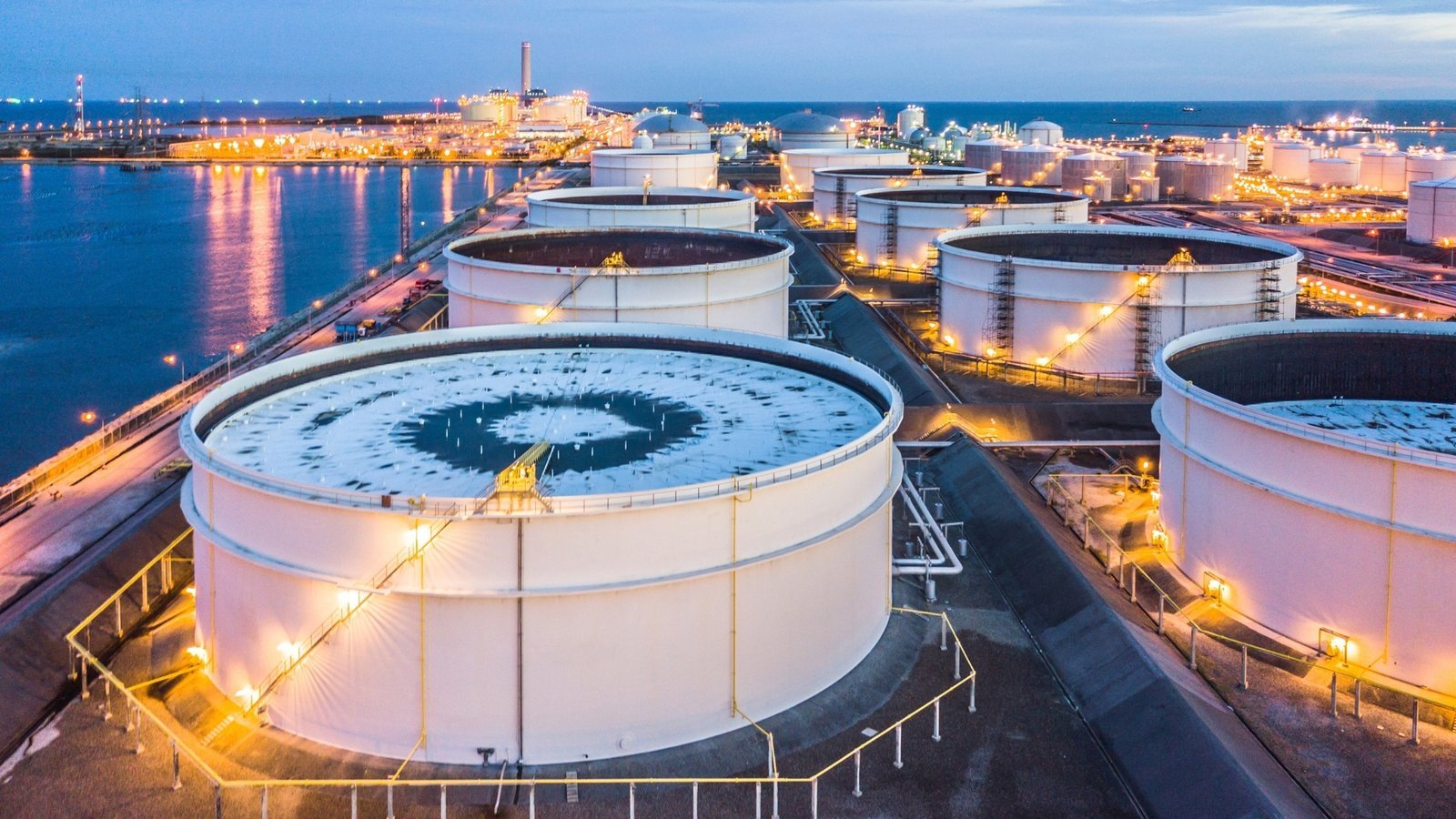 Project 54OPEC+ spare capacity is the buffer that can be brought online within 30 days. In 2026 it sits at a post 2009 high.
Overwhelmingly Saudi Arabia and the UAE
The buffer is concentrated. As of 2026, market assessments put total OPEC+ spare capacity above 5 million barrels a day, the highest since 2009, with Saudi Arabia holding around 3 million, the UAE around 1 million, Kuwait about 0.4 million and Iraq roughly 0.3 million (OPEC, IEA Oil Market Report). Saudi Arabia's total sustainable capacity is around 12.2 million barrels a day, and the UAE is investing to lift its capacity toward a 5 million target by 2027.
That concentration is a source of power. Two Gulf producers hold most of the world's ability to respond to a supply shock, which is why their production decisions move markets far more than their share of output alone would suggest. Figures are estimates drawn from OPEC and IEA reporting.
| Holder | Spare capacity (barrels/day) | Note |
|---|---|---|
| Saudi Arabia | ~3.0 million | Largest single buffer, ~12.2 million b/d total capacity |
| UAE | ~1.0 million | Investing toward a 5 million b/d capacity target by 2027 |
| Kuwait | ~0.4 million | Smaller contribution |
| Iraq | ~0.3 million | Operationally constrained |
| OPEC+ total | more than 5.0 million | Highest reading since 2009 |
The cushion removes the fear premium
Oil prices carry a risk premium, an extra margin traders pay for the chance that supply gets disrupted. When spare capacity is thin, that premium is large, because a single outage could leave the market short with no quick fix. When the buffer is deep, the premium shrinks, because everyone knows OPEC+ can cover a shock within weeks.
This is the quiet reason 2026 prices have been capped despite plenty of geopolitical noise. A greater than 5 million barrel cushion tells the market that fear alone will not create scarcity. It is worth noting the skeptical view, that some of the headline capacity sits in aging fields and paper allocations that would need investment to truly deliver, so the practical buffer may be smaller than the number suggests. Even so, the direction is clear, more cushion means less price spike.
It explains the cautious unwind
The size of the buffer is why OPEC+ has been returning barrels to the market in small monthly increments rather than large tranches, a shift we covered in the monthly barrel era. With so much idle capacity, dumping it all at once would collapse the price the group depends on, so it releases supply slowly and watches the market absorb it.
The cushion also raises the stakes on compliance. When members overproduce against their quotas, as we examined in Kazakhstan's overproduction reckoning, they erode the discipline that makes the buffer a tool rather than a glut. And it frames the exit debates, such as the UAE's push for a higher baseline, because a producer with rising spare capacity wants the right to use it. For buyers and sellers in energy, the takeaway is simple, in 2026 the price ceiling is set less by demand than by how OPEC+ chooses to deploy a very large cushion.
Listen & take it with you
Prefer audio, or need the deck for an internal review? The full briefing is available as a podcast episode and a downloadable slide presentation.
What matters most about OPEC+ spare capacity in 2026?
Frequently asked
More than 5 million barrels a day, the highest since 2009. It is held mostly by Saudi Arabia at around 3 million and the UAE at around 1 million, with smaller amounts in Kuwait and Iraq.
Spare capacity is production that can be brought online within about 30 days and sustained for 90, without new investment. Reserves are oil in the ground that could take years to develop. Only spare capacity affects near term prices.
It removes the fear premium. When traders know OPEC+ can replace a disrupted supply within weeks, they pay less for the risk of scarcity, so prices spike less during shocks.
Saudi Arabia, with an estimated 3 million barrels a day and total capacity around 12.2 million. The UAE is second and is investing to raise its capacity toward a 5 million barrel target by 2027.
Get the next intelligence drop
Join energy and industrial leaders getting our marketing, AI-growth and revenue-architecture intelligence, direct, no filler.
You're on the list
Welcome to The Energy Growth Brief, watch your inbox for the next dispatch.