

تطبيق ضريبة الكربون الحدودية للاتحاد الأوروبي: ماذا تعني الفترة المحددة لضريبة الكربون الحدودية لموردي الطاقة؟
في الأول من يناير/كانون الثاني 2026، تحوّلت آلية تعديل الكربون الحدودية للاتحاد الأوروبي من مجرد إجراء إبلاغي إلى مشروع قانون. إليكم أسباب إنشاء بروكسل لهذه الآلية، وكيفية عمل التسعير، وما كشفته الأسابيع الأولى، ولماذا تُعيد هذه الآلية صياغة آلية اختيار مشتري الطاقة في أوروبا لمورديهم.
- CBAM entered its definitive period on 1 January 2026. The transitional phase, which ran from October 2023, only asked importers to report embedded emissions. The definitive phase attaches a cost to them.
- It covers six carbon intensive sectors: iron and steel, aluminium, cement, fertilisers, electricity and hydrogen. Steel dominated the opening weeks at 98 percent of declared volumes.
- The certificate price tracks the EU Emissions Trading System, around 75 euros a tonne of CO2 in early 2026, so the border cost rises and falls with Europe's own carbon market.
- The obligation is deliberately back loaded. CBAM is phased in at the same pace the EU withdraws free carbon allowances from its own industry, from 2.5 percent in 2026 to 100 percent in 2034.
- For energy B2B, CBAM converts a supplier's verified emissions data into a commercial variable. Clean, audited carbon numbers lower a buyer's landed cost and paperwork risk. Missing or dirty data does the opposite.
From a form to a bill
For a little over two years CBAM was a measurement exercise. During the transitional period that began on 1 October 2023, EU importers of covered goods had to file quarterly reports on the greenhouse gas emissions embedded in what they brought in, but they paid nothing. That grace period ended on 31 December 2025.
The definitive period, live since 1 January 2026, changes the nature of the obligation. According to the European Commission's Directorate-General for Taxation and Customs Union, importers of CBAM goods must now hold authorised CBAM declarant status, validated by customs before the goods are released for free circulation. From 2027 they must also buy and surrender CBAM certificates equal to the embedded emissions of the goods they imported the previous year. The measurement did not go away. A price was bolted on top of it.
The Commission was keen to show the launch did not clog the border. It reported that the CBAM Registry connected in real time to national customs systems and that authorisation checks ran without adding to processing times. In its own words, the rollout showed "the EU's capacity to deploy complex climate policy instruments without hindering trade, while reinforcing transparency, fairness, and climate ambition across global supply chains." That sentence is the political case for CBAM in one line: a carbon price that travels with the product, not a tariff.
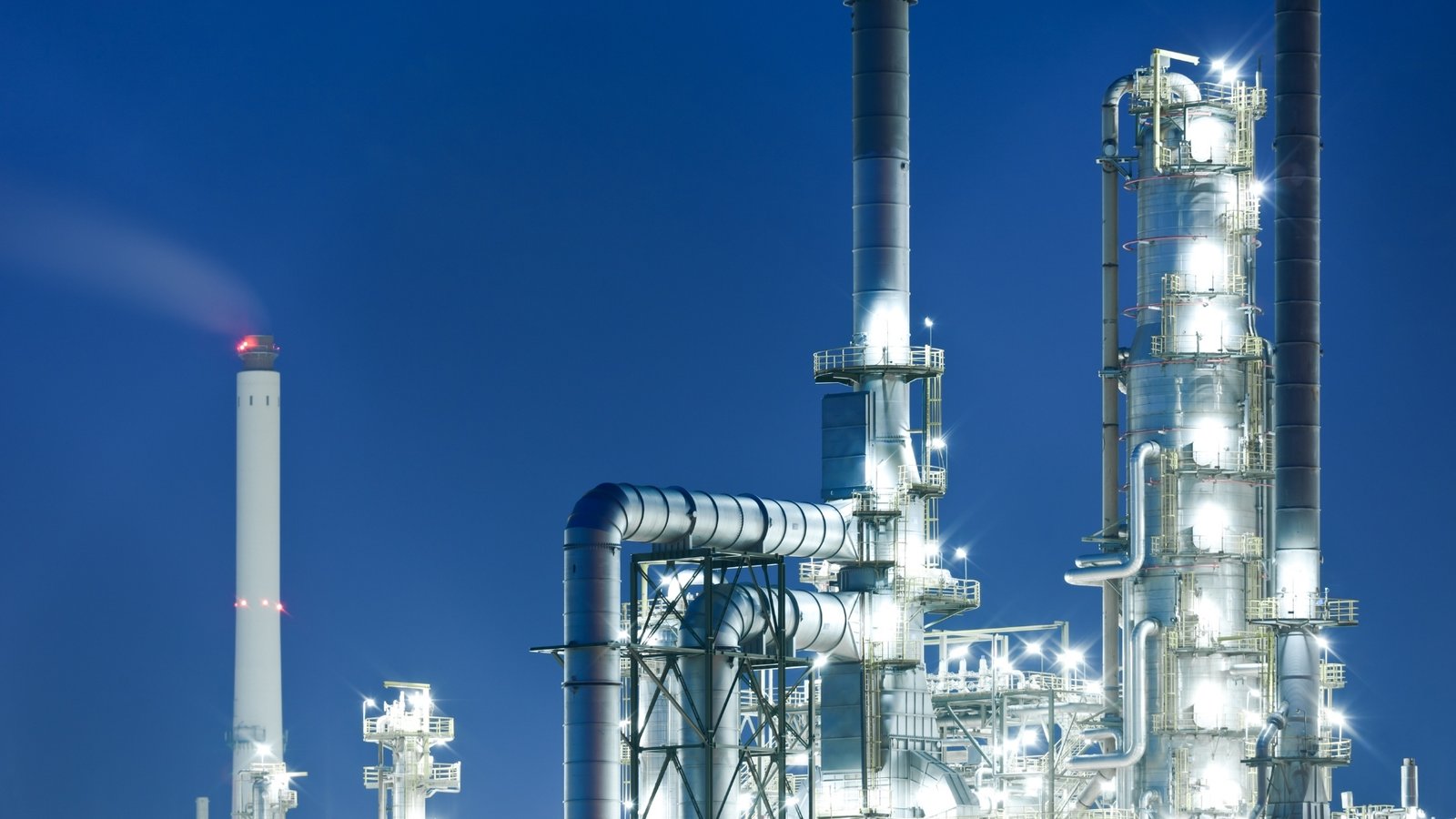 المشروع 54يفرض نظام CBAM سعرًا للكربون عند حدود الاتحاد الأوروبي. بالنسبة لموردي الطاقة والصناعات، تُحدد بيانات الانبعاثات الموثقة الآن التكلفة النهائية لكل طن من الصلب والألومنيوم والهيدروجين المُباع في أوروبا.
The root cause is carbon leakage
CBAM is not a standalone tax. It is a patch for a hole in the EU's own climate policy. European industry pays for its carbon through the Emissions Trading System, where a tonne of CO2 has cost roughly 70 to 80 euros through early 2026. To stop that cost from simply pushing production to countries with no carbon price, and to protect EU factories in the meantime, the EU has for years handed its heavy industry free ETS allowances.
Free allowances solve leakage but blunt the incentive to decarbonise, because a plant that pollutes for free has little reason to change. The EU's answer is to remove the free allowances and replace them at the border with CBAM. As the free allowances phase out, the carbon cost on imported goods phases in at exactly the same rate, so domestic and imported steel end up carrying a comparable carbon cost. The reform approved by the European Parliament set that phase out on a fixed ladder.
This is the part suppliers outside Europe most often miss. CBAM is designed to grow. It is small today precisely because EU industry still gets most of its allowances for free. Every year to 2034 the free cushion shrinks and the border cost climbs to fill the gap.
CBAM also does not sit alone. It lands on top of the EU's wider disclosure regime, which we compare in CSRD versus CSDDD for oil and gas. Together they mean a European customer increasingly needs your carbon numbers before it can even buy from you.
The price is the EU carbon market, delivered to the border
CBAM certificates are not a separate, negotiable market. Their price is pinned to the EU ETS. National authorities sell certificates at the ETS allowance price, using a quarterly average through 2026 and moving to a weekly average from 2027, per the Commission's certificate pricing rules. A widely tracked reference put the official CBAM certificate price at about 75 euros a tonne of CO2 in the second quarter of 2026. When Europe's carbon price moves, the border cost moves with it.
The second lever is the phase-in percentage, the share of a good's embedded emissions that actually has to be paid for. It rises on a published schedule that mirrors the withdrawal of free ETS allowances:
| سنة | Share of embedded emissions charged | Free ETS allowances remaining |
|---|---|---|
| 2026 | 2.5% | 97.5% |
| 2027 | 5% | 95% |
| 2028 | 10% | 90% |
| 2029 | 22.5% | 77.5% |
| 2030 | 48.5% | 51.5% |
| 2032 | 73.5% | 26.5% |
| 2034 | 100% | 0% |
Steel is the story, and the map of exposure is already visible
The launch numbers are a useful reality check on where CBAM bites. The Commission reported that in the first days of January 2026 more than 12,000 economic operators had applied for CBAM authorisation and more than 4,100 had obtained authorised declarant status, with 10,483 import declarations carrying CBAM goods validated automatically between 1 and 7 January.
The volume mix tells the sharper story. Of roughly 1.66 million tonnes of CBAM goods declared in the first reporting window, iron and steel made up 98 percent, with aluminium, fertilisers and cement sharing the rest and electricity and hydrogen still to register as data completes. CBAM is, for now, overwhelmingly a steel and metals mechanism.
The geography of exposure is equally clear. The Commission named Türkiye, China, India, Canada, Taiwan and Vietnam as the leading countries of origin for CBAM goods, and Belgium, Spain, Romania, the Netherlands, France and Germany as the member states clearing the most CBAM imports. Any energy or industrial supplier shipping metal products into those corridors is already inside the mechanism, whether or not it has noticed.
CBAM turns carbon data into a procurement criterion
The energy sector sits on both sides of this. On the sell side, electricity and hydrogen are named CBAM sectors, so exporters of power and low-carbon hydrogen into the EU are directly in scope. On the buy side, the sector is a heavy consumer of exactly the goods CBAM covers. Line pipe, casing, structural steel, pressure vessels, wind towers, transformers and fertiliser feedstock all carry embedded emissions, and an EU buyer now pays a carbon cost on the imported versions.
That reshapes supplier selection in a quiet but durable way. Two suppliers quoting the same landed price are no longer equal if one can hand over verified, audited, low emissions data and the other cannot. The first lowers the buyer's CBAM bill and compliance risk. The second raises both, and under CBAM rules a buyer who cannot get real supplier data must fall back on default emissions values that are deliberately punitive. Carbon intensity has become a line item in the negotiation, not a sustainability footnote.
For marketers and sellers in energy and industrial supply, the implication is concrete. Emissions performance is now a commercial proof point that belongs in the datasheet, the RFP response and the sales conversation, next to price, lead time and spec. A supplier that can evidence a lower carbon footprint, with numbers a customs declarant can actually use, has a reason to be chosen that did not exist two years ago. This is the same shift we described for buyers formalising their process in how energy B2B procurement is tightening, now with a regulatory price attached.
Wider scope, higher cost, and a 2034 end state
Two vectors define the trajectory. The first is depth. The cost per tonne is set to climb automatically as free ETS allowances disappear, reaching the full 100 percent charge in 2034. A supplier modelling CBAM on 2026 economics, when only 2.5 percent of emissions are charged, is reading the smallest number it will ever see.
The second is breadth. In December 2025 the Commission proposed extending CBAM downstream, beyond raw materials into products that contain covered goods, alongside operational rules for the definitive regime, as summarised by legal analysts tracking the proposal. If that extension lands, a far wider set of manufactured and assembled products, many of them sold into energy projects, comes into scope.
The strategic reading for anyone selling into Europe is that CBAM is not a compliance event to survive once, but a rising floor. The suppliers who will be hardest to displace are the ones that start measuring, verifying and reducing embedded emissions now, while the charge is small, and can prove it when a European customer asks. The ones treating it as a 2034 problem will discover the market repriced around them well before then.
استمع وخذها معك
هل تفضل الاستماع إلى التسجيل الصوتي، أم تحتاج إلى العرض التقديمي للمراجعة الداخلية؟ يتوفر العرض التقديمي الكامل كحلقة بودكاست وعرض شرائح قابل للتنزيل.
If you sell metals, power or industrial goods into the EU, what is your real CBAM exposure today?
الأسئلة المتكررة
The definitive period began on 1 January 2026. From that date importers of covered goods must hold authorised CBAM declarant status, and from 2027 they must surrender CBAM certificates for the embedded emissions of goods imported the prior year. The earlier transitional period, from October 2023 to the end of 2025, was reporting only.
Six carbon intensive sectors: iron and steel, aluminium, cement, fertilisers, electricity and hydrogen. In the first weeks of 2026, iron and steel accounted for around 98 percent of declared CBAM volumes.
CBAM certificate prices are pinned to the EU Emissions Trading System. A widely tracked reference put the official price near 75 euros a tonne of CO2 in the second quarter of 2026. It is set on a quarterly average in 2026 and a weekly average from 2027, so it moves with the EU carbon market.
Yes. CBAM applies to goods imported into the EU regardless of where they are made, so the carbon cost falls on the imported product. Non EU suppliers that can provide verified low emissions data help their EU customers reduce the certificate bill, while those that cannot leave buyers to use punitive default emissions values.
Yes, by design. The share of embedded emissions charged rises from 2.5 percent in 2026 to 100 percent in 2034, tracking the phase out of free EU carbon allowances, and the Commission proposed extending CBAM to downstream products in December 2025.
احصل على التالي إسقاط معلومات استخباراتية
انضم إلى قادة الطاقة والصناعة واحصل على معلوماتنا التسويقية، ونمو الذكاء الاصطناعي، وهيكلة الإيرادات، مباشرة وبدون حشو.
اسمك مدرج في القائمة
أهلاً بكم في موجز نمو الطاقة، تابعوا بريدكم الوارد للاطلاع على النشرة القادمة.