
Is Qatar the World's Largest LNG Exporter in 2026?
Qatar held the LNG crown for years, then lost it. This answer sets out who leads global liquefied natural gas exports now, how the order changed, and why Qatar's North Field expansion is a bid to take the top spot back by 2030.
- The United States is the largest LNG exporter in 2025 at a record 111 million tonnes, about 25 percent of the global market, the first nation past 100 million tonnes in a year.
- Qatar is second at roughly 78 million tonnes and Australia third; the three together supply about 63 percent of global LNG.
- Qatar lost the top spot it long held because United States export capacity grew far faster, supplying the great majority of new global LNG in 2025.
- Qatar's North Field expansion to 142 million tonnes a year by around 2030 is an explicit bid to retake the lead.
The United States, by a clear margin
In 2025 the United States exported a record 111 million tonnes of LNG, about 25 percent of the global market, and became the first country ever to ship more than 100 million tonnes in a single year (US EIA). United States exports rose 27 percent year on year, and by some counts the country supplied the overwhelming majority of all new global LNG supply added in 2025 (Forbes).
Qatar sits second at roughly 78 million tonnes, just ahead of Australia in third. Those three exporters together account for close to 63 percent of world LNG (EIA). So the honest answer to the question is that Qatar is a very large exporter, but not the largest; the United States has taken that title.
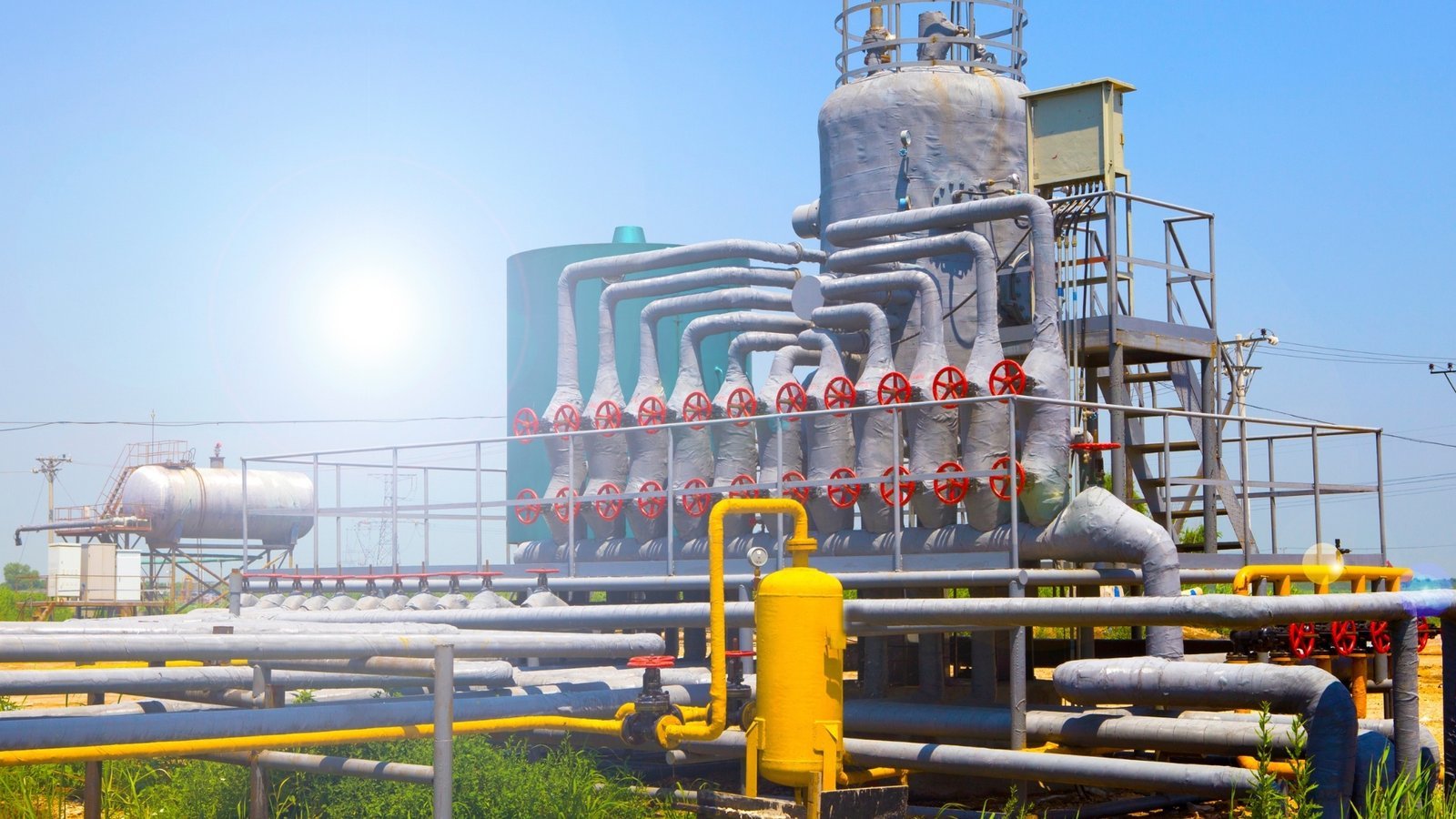 Project 54The largest exporter title is decided at the liquefaction plant: whoever builds capacity fastest, and runs it cheapest, leads.
| Rank 2025 | Exporter | Approx. volume | Share of global LNG |
|---|---|---|---|
| 1 | United States | about 111 million tonnes | about 25 percent |
| 2 | Qatar | about 78 million tonnes | roughly one sixth |
| 3 | Australia | about 75 million tonnes | roughly one sixth |
| - | Top three combined | - | about 63 percent |
It did not shrink, the United States sprinted
Qatar did not decline. It was outpaced. For most of the past two decades Qatar was the world's dominant LNG exporter, but from the late 2010s the United States built liquefaction capacity at extraordinary speed, adding train after train on the Gulf Coast (industry reporting). Where Qatar grew steadily, the United States grew explosively, and volume follows capacity.
The result is a structural shift. American LNG is largely sold on flexible, shorter contracts linked to the Henry Hub gas price, which let it scale fast and chase spot demand. Qatar leaned on multi decade contracts and a deliberate, staged buildout. Both models work, but in a decade of rapid demand growth the faster builder took the crown. We unpack how the American position was engineered in United States energy dominance.
That is exactly what North Field is for
Qatar's answer is the North Field expansion. By lifting capacity from 77 to about 142 million tonnes a year by around 2030, an increase of roughly 85 percent, QatarEnergy is positioning to reclaim the lead. Its chief executive Saad al Kaabi has said the expansion will supply close to 40 percent of new global LNG this decade and return Qatar to the position of the world's largest LNG exporter (Qatar Tribune). We cover the full strategy in our dossier on Qatar's North Field expansion.
Whether it works depends on timing. The market is heading into a supply wave and forecast surplus, with both the United States and Qatar adding volume (IEA). Qatar's edge is cost: it is among the cheapest producers in the world, so it can keep exporting profitably at prices that squeeze rivals. The race for number one is really a race between American speed and Qatari cost.
Two suppliers, a buyers' market
For gas buyers the headline is leverage. With the United States and Qatar both expanding into a softening market, buyers gain choice and negotiating power through the late 2020s, and the smart ones lock low priced long term volume now. For suppliers and service firms, both buildouts are enormous capital programmes, and the winners are those who can prove scale, reliability and compliance to two very different customers.
The deeper lesson for energy B2B is that market leadership is engineered, not inherited. Qatar held the lead for twenty years and still lost it to a faster builder; it now aims to win it back on cost and contracts. Compare how a major plays the same molecule in TotalEnergies' two pillar model, and how the Gulf is repositioning gas in ADNOC's XRG bet.
Listen & take it with you
Prefer audio, or need the deck for an internal review? The full briefing is available as a podcast episode and a downloadable slide presentation.
The United States overtook Qatar as the largest LNG exporter. Who leads global LNG at the end of this decade?
Frequently asked
No. As of 2025 the United States is the largest LNG exporter at about 111 million tonnes, roughly a quarter of the global market. Qatar is second at around 78 million tonnes, just ahead of Australia in third.
United States LNG exports outpaced Qatar's as American liquefaction capacity surged in the early 2020s, and by 2025 the United States shipped a record 111 million tonnes, the first country ever to pass 100 million tonnes in a single year, up 27 percent year on year.
Qatar exports roughly 78 million tonnes of LNG a year from its current 77 million tonne capacity, placing it second globally. It plans to raise capacity to about 142 million tonnes a year by around 2030 through the North Field expansion.
Qatar intends to. Its North Field expansion lifts capacity about 85 percent to 142 million tonnes a year by around 2030, and QatarEnergy says the programme will supply close to 40 percent of new global LNG this decade, aiming to reclaim the top spot from the United States.
Get the next intelligence drop
Join energy and industrial leaders getting our marketing, AI-growth and revenue-architecture intelligence, direct, no filler.
You're on the list
Welcome to The Energy Growth Brief, watch your inbox for the next dispatch.