


Qatar's North Field LNG Expansion: The Market Share Play
QatarEnergy is lifting capacity about 85 percent to 142 million tonnes a year, straight into a forecast gas glut. The move looks reckless until you see the logic: lowest cost, longest contracts, and a deliberate bid for control of the next decade of gas. This dossier unpacks what Qatar is building, why it is building it now, the 2030 trajectory it implies, and what a state scale gas buildout means for the suppliers, buyers and marketers who sell into it.
- QatarEnergy is raising LNG capacity from 77 to 142 million tonnes a year by around 2030, about an 85 percent increase, through three linked North Field phases: East (32 Mtpa), South (16 Mtpa) and West (16 Mtpa).
- The logic is cost and contracts, not price. North Field gas is among the cheapest to produce anywhere, and Qatar locks buyers into deals of twenty years and more, so it can profit at prices that strand higher cost rivals.
- It is a deliberate market share play. Al Kaabi says the expansion will add around 40 percent of new global LNG supply this decade and return Qatar to the title of largest LNG exporter, a position it lost to the United States.
- The timing is contrarian. New volume lands into a forecast structural surplus from 2026, which softens spot prices but hands durable share to the lowest cost producer, the same logic OPEC uses in oil.
- For the value chain it is both a mega opportunity and a warning: tens of billions in engineering, equipment and services flow to a handful of suppliers, while gas buyers gain leverage and higher cost projects elsewhere face a tighter window.
One field, three waves, 142 million tonnes
The North Field, offshore Qatar, is the offshore section of the largest single non associated gas field on earth. The same geological structure extends under Iranian waters, where it is called South Pars. QatarEnergy's expansion of its side runs in three linked phases. North Field East, the first wave, adds 32 million tonnes a year of LNG across four mega trains of 8 million tonnes each. North Field South adds a further 16 million tonnes across two more trains. North Field West, sanctioned as the third wave, adds another 16 million tonnes across two trains (offshore-technology, Rigzone).
Stacked together, these phases lift Qatar's nameplate LNG capacity from 77 million tonnes a year today toward roughly 126 million tonnes by 2027 and about 142 million tonnes by around 2030. Saad al Kaabi, Qatar's energy minister and the chief executive of QatarEnergy, has framed the full programme as an increase of about 85 percent in production (Qatar Tribune).
The schedule matters as much as the size. Al Kaabi confirmed the first North Field East train would start up by mid 2026, with first LNG from the phase arriving in the second half of 2026 (AGBI). The later South and West trains ramp through 2027 and beyond, and the West phase in particular has slipped, with parts now expected to run past 2030 (MEES). This is not a single switch; it is a rolling wall of new supply arriving cargo by cargo across the second half of the decade.
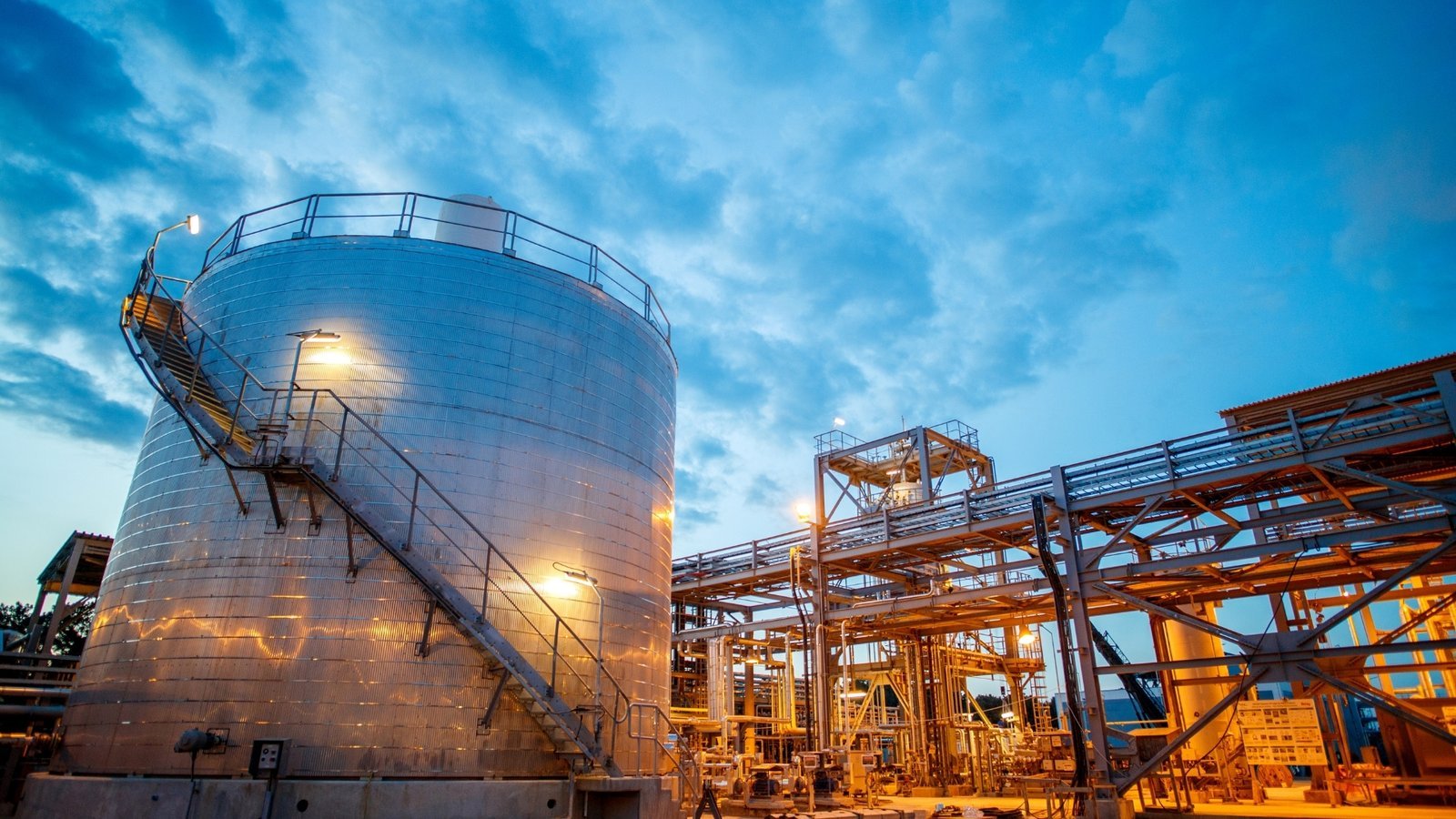 Project 54Qatar is turning the world's largest gas field into a market share weapon: lowest cost, longest contracts, largest volume.
| Phase | Added capacity | Trains | Status and timing |
|---|---|---|---|
| North Field East (NFE) | 32 Mtpa | 4 x 8 Mtpa | First train by mid 2026; first LNG H2 2026 |
| North Field South (NFS) | 16 Mtpa | 2 x 8 Mtpa | Ramps 2027 onward |
| North Field West (NFW) | 16 Mtpa | 2 x 8 Mtpa | Sanctioned third wave; parts slip beyond 2030 |
| Total to about 2030 | 77 to about 142 Mtpa | +8 trains | About 85 percent capacity increase |
The contrarian core: cost beats price
On the surface the timing looks wrong. The global LNG market is entering a supply wave. The International Energy Agency expects LNG supply to rise around 7 percent in 2026, its largest jump since 2019, as new projects start up in the United States, Canada and Qatar (IEA). Analysts at Kpler and others put roughly 35 to 40 million tonnes of new capacity into the market in 2026 alone, tipping it into a structural surplus and dragging Asian spot prices toward 9.50 to 9.90 US dollars per million British thermal units, down from an average near 12.45 dollars in 2025 (Kpler).
Expanding hard into softening prices only looks reckless if you assume every producer earns the same margin. They do not. Qatar's North Field gas is among the cheapest to extract and liquefy in the world, because the field is vast, shallow and already developed, and because associated liquids help carry the cost. That means Qatar can still profit at prices that push higher cost projects, and much of the United States spot and tolling model, toward the edge of viability.
So the expansion is not a bet that prices stay high. It is the opposite. It is a bet that prices fall, and that when they do, the lowest cost producer with the deepest reserves wins the volume that marginal suppliers are forced to give up. This is the same logic OPEC applies in oil when it defends market share rather than price (our read of OPEC's 2026 output strategy): use cost and scale to make competitors blink first. Qatar is running the gas version of that playbook.
The contract, not the cargo
Qatar's sharpest instrument is not the molecule, it is the contract. Where United States exporters have leaned on shorter, flexible, Henry Hub linked tolling deals, Qatar sells the bulk of its LNG on long term contracts of twenty years and often twenty five to twenty seven years. Locking buyers in Asia and Europe into multi decade offtake does two things at once: it underwrites the tens of billions of capital the expansion needs, and it pre sells the very volume that will land in an oversupplied market.
That is how a cost advantage becomes a durable share advantage. A buyer that signs a twenty year Qatari contract is a buyer that will not be shopping the spot market for a rival's cargo in 2028. Every long term deal Qatar signs before the glut arrives is a slice of demand removed from competitors' reach for the entire 2030s. The cargo is a commodity; the contract is the moat.
For anyone selling into energy buyers, the lesson generalises. Qatar is winning on commercial architecture, not just on price per unit, exactly the pattern we see when complex energy purchases run through a multi stakeholder buying committee: the supplier who structures the long relationship, not the one with the cheapest single quote, tends to hold the account.
Buyers, borders and a strait
The expansion is pointed at two demand centres. Asia remains the anchor, with China, India, South Korea and Japan taking long term Qatari volume, and Europe has become a strategic second leg since it moved off Russian pipeline gas after 2022. That gives Qatar diversification most competitors envy, but it also exposes it to policy in its buyers' capitals.
Europe is the clearest example. The bloc's incoming methane rules will, from 2027, hold imported gas to methane intensity standards, and its wider sustainability and due diligence regime raises the compliance bar on every cargo (our breakdown of the EU methane import rules). Qatar has publicly warned that heavy handed European rules could push it to send gas elsewhere, a reminder that in a buyers' market the largest supplier still holds leverage. Regulation and molecules now travel together.
Geography adds the sharpest risk. Almost all Qatari LNG sails through the Strait of Hormuz, and the 2026 conflict that disrupted Gulf shipping forced pauses across the region and pushed some expansion timelines later (Euronews). Qatar has pressed ahead regardless, which is itself a strategic signal: it is treating the buildout as a multi decade fixture too important to stall for a single crisis.
Four places the money lands
The expansion is one of the largest single energy capital programmes on the planet, with the core North Field phases costed around 29 billion US dollars and the wider programme, including downstream and shipping, running higher. For the companies that sell into energy, that spend is the story. It concentrates into four layers, and the same discipline that makes Qatar a low cost producer makes it a demanding, standards driven customer.
EPC and mega trains
A short list of engineering and construction majors builds the liquefaction trains. Scale, safety record and the ability to deliver 8 Mtpa units on schedule decide who wins, not price alone.
Equipment
Rotating equipment is the choke point. Baker Hughes took a major North Field West award for gas turbines, compressors and integrated power on the two new trains, the kind of multi year, spec heavy contract that anchors a supplier for a decade.
Services and talent
Commissioning, inspection, digital and maintenance work follows the capital, and the binding constraint is people. Qatar's buildout has exposed a real shortage of qualified LNG engineers, a supplier opportunity and a hiring war at once.
Buyers and traders
On the demand side the winners are patient buyers who lock low priced long term volume now, and traders who can place displaced spot cargoes as the surplus builds.
Control of the next gas decade
Put the pieces together and a clear trajectory emerges. By around 2030 Qatar reaches roughly 142 million tonnes a year, and QatarEnergy's own framing is that the expansion supplies close to 40 percent of new global LNG this decade, alongside a surge of United States volume (Qatar Tribune). Two low cost, high volume suppliers, one Gulf state and one shale superpower, come to dominate the marginal cargo, echoing the competitive dynamic we track in United States energy dominance and in the Gulf's own gas pivots such as ADNOC's XRG gas and chemicals bet.
For prices, the near term reads soft: a genuine buyers' market through the late 2020s as the surplus works through, before demand growth and project delays tighten the balance again toward the end of the decade. For strategy, the read is that Qatar is buying share and optionality at the bottom of the cycle, positioning to be the last, cheapest producer standing when the market rebalances.
The commercial lesson for energy B2B is the one that recurs across these dossiers. The advantaged player does not win by being loudest in the good years; it wins by engineering cost, contracts and reliability so that it is still standing, and still chosen, in the hard ones. Revenue architecture, not revenue optimism. Qatar is building the gas version, in steel, and it intends to be selling from it long after the current glut is forgotten. Compare the integrated logic with TotalEnergies' two pillar LNG and power model for how a major plays the same molecule from the other side.
Listen & take it with you
Prefer audio, or need the deck for an internal review? The full briefing is available as a podcast episode and a downloadable slide presentation.
QatarEnergy is expanding LNG capacity about 85 percent straight into a forecast global gas glut. What is the sharpest read of that choice?
Frequently asked
QatarEnergy is raising liquefied natural gas capacity from 77 million tonnes a year to about 142 million tonnes a year by around 2030, an increase of roughly 85 percent. It comes through three North Field phases: East (32 Mtpa), South (16 Mtpa) and West (16 Mtpa), adding eight new mega trains in total.
The first train of the North Field East phase is due to start up by mid 2026, with first LNG from the phase arriving in the second half of 2026. The North Field South and West phases ramp through 2027 and beyond, with parts of the West phase slipping past 2030.
Because the lowest cost producer wins a price war. Qatar's North Field gas is among the cheapest in the world to produce, and it sells on long term contracts of twenty years and more. By expanding into a forecast surplus it takes durable market share from higher cost rivals rather than chasing spot prices, the same logic OPEC uses in oil.
QatarEnergy leads and holds the majority, with international partners taking minority equity across the phases, including TotalEnergies, Shell, ExxonMobil, ConocoPhillips and Eni. Equipment and construction contracts run to specialist suppliers; Baker Hughes, for example, won a major award for turbines and compressors on the North Field West trains.
For buyers it points to more supply, softer prices and stronger negotiating leverage through the late 2020s, favouring those who lock in low priced long term volume now. For suppliers it is one of the largest energy capital programmes on earth, tens of billions flowing to engineering, equipment and services firms that can prove scale, reliability and compliance.
Get the next intelligence drop
Join energy and industrial leaders getting our marketing, AI-growth and revenue-architecture intelligence, direct, no filler.
You're on the list
Welcome to The Energy Growth Brief, watch your inbox for the next dispatch.