









Рынок нефтесервисных услуг стран Персидского залива в 2026 году: куда направляются расходы и как поставщики выигрывают тендеры.
Расходы на нефтесервисные услуги в регионе MENA превысят 34 миллиарда долларов в 2026 году, чему способствуют саудовские газовые программы, инвестиции ОАЭ в СПГ и цифровые технологии бурения скважин. В этом документе рассматривается размер рынка, три фактора, перенаправляющие расходы, и реалии закупок, прежде всего локализация, которые определяют, какие поставщики действительно займут лидирующие позиции.
- Объем рынка нефтесервисных услуг в регионе MENA составляет около 32,7 млрд долларов в 2025 году, 34,7 млрд долларов в 2026 году и, по прогнозам, достигнет 45,7 млрд долларов к 2031 году при среднегодовом темпе роста 5,65%.
- На долю Саудовской Аравии приходится примерно 30 процентов региональных доходов, около 14,5 миллиардов долларов в 2025 году, при этом только в Джафуре к 2030 году будет развернуто более 50 наземных буровых установок.
- Инвестиции смещаются с нефти на газ: мощность перерабатывающего завода Tanajib достигла 2,6 млрд куб. футов в сутки в 2026 году, а мощность завода Ruwais LNG компании ADNOC — 9,6 млн тонн в год.
- В программах локализации, таких как IKTVA в Саудовской Аравии и ICV в ОАЭ, в процессе закупок используются оценочные критерии, а не документооборот; теперь при отборе кандидатов учитывается ценность продукции, произведенной внутри страны.
- Цифровые учетные данные становятся обязательным требованием: в рамках инициативы ADNOC по цифровизации скважин стоимостью 920 миллионов долларов требования к использованию ИИ напрямую включены в договоры на оказание услуг.
Рынок, его размеры и местоположение.
По оценкам Mordor Intelligence, выручка от услуг для нефтедобывающей отрасли на Ближнем Востоке и в Северной Африке в 2025 году составит 32,7 миллиарда долларов, увеличившись примерно до 34,7 миллиарда в 2026 году и до 45,7 миллиарда к 2031 году, что соответствует среднегодовому темпу роста в 5,65 процента. В странах Персидского залива концентрация особенно высока: на одну только Саудовскую Аравию приходится примерно 30 процентов региональной выручки, которая, по оценкам, составит 14,5 миллиарда долларов в 2025 году, а независимые прогнозы предсказывают, что к 2032 году этот показатель достигнет 22,5 миллиарда долларов.
Две особенности отличают этот рынок от всех других регионов, предоставляющих услуги для нефтедобывающей отрасли. Во-первых, спрос поддерживается национальными нефтяными компаниями — Aramco, ADNOC, QatarEnergy, KOC, — чьи многолетние программы защищают инвестиции от квартальных циклов капитальных затрат, которые так сильно колеблются в сфере услуг в Северной Америке. Во-вторых, рост сохраняется, несмотря на снижение цен на нефть, поскольку его центр тяжести сместился в сторону газа, где логика внутреннего спроса и экспорта СПГ в странах Персидского залива носит структурный характер.
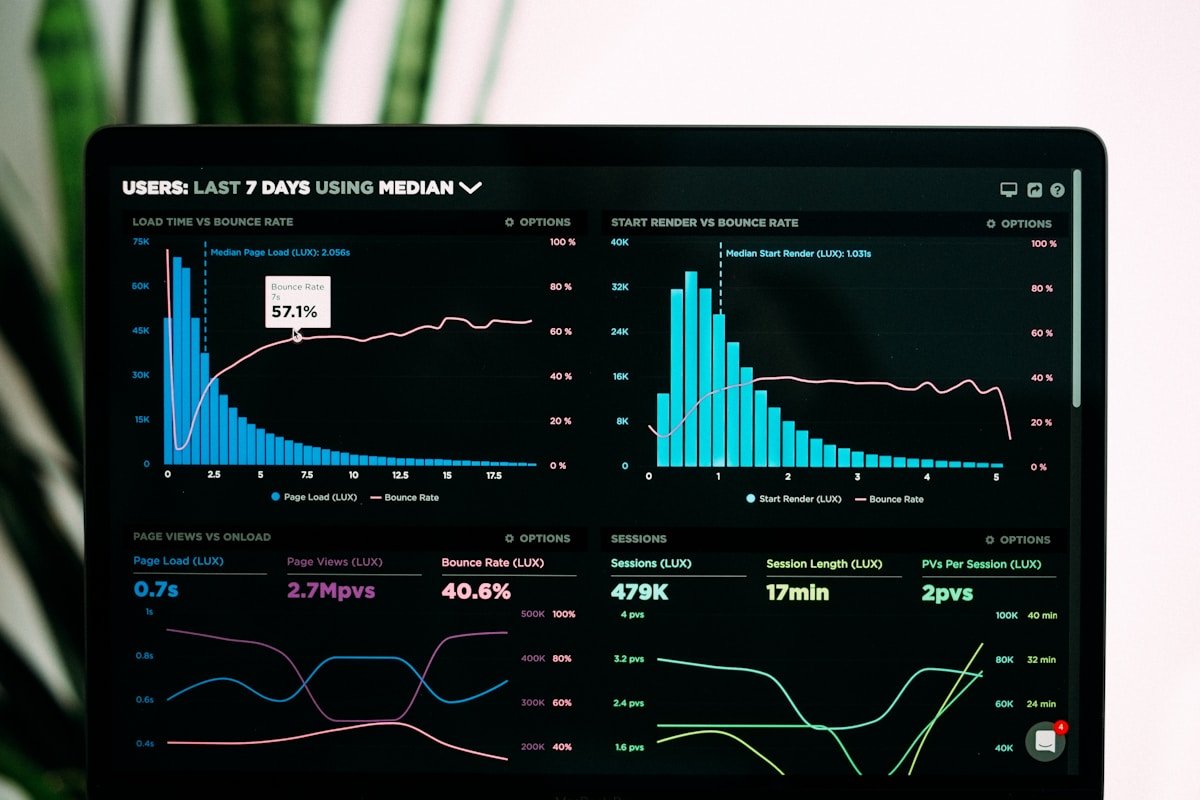 Рис. 01Панель мониторинга рыночной аналитики, спрос на услуги по программам.
| Рынок | прогноз на 2025 год | Траектория |
|---|---|---|
| нефтепромысловые услуги в регионе MENA | $32,7 миллиарда | 1 ТБ 4 трлн к 2031 году, среднегодовой темп роста 5,651 ТБ 3 трлн |
| Саудовская Аравия | $14,5 млрд (~30% региона) | 1 тыс. 4 триллионов 22,5 млрд к 2032 году, рост примерно на 6,51 тыс. 3 триллионов рупий |
| Джафура нетрадиционный газ | Флагманская программа | К 2030 году будет развернуто более 50 наземных буровых установок. |
| Газоперерабатывающий завод Танаджиб | В прямом эфире | Мощность в 2,6 млрд куб. футов в сутки будет достигнута в 2026 году. |
| ОАЭ, Рувайс СПГ | В прямом эфире | Достигнуто 9,6 млн тонн в год |
| ОАЭ, цифровые скважины | инициатива $920 миллионов | Внедрение ИИ во весь портфель скважин |
Три силы, перенаправляющие расходы
Заявленные темпы роста не отражают реального масштаба изменений в структуре спроса. Три фактора определяют, куда направляются денежные потоки:
Газовый шарнир
Развитие нетрадиционных месторождений в Саудовской Аравии (Джафура), переработка нефти в Танаджибе и региональные амбиции в области СПГ смещают спрос в сторону увеличения интенсивности бурения, заканчивания скважин, переработки газа и компрессорных услуг, а не традиционных работ по восстановлению нефтяных месторождений.
Нестандартные программы
В странах Персидского залива в больших масштабах внедряется технология бурения на сланцевых месторождениях: более 50 наземных буровых установок в Джафуре к 2030 году обеспечат устойчивый спрос на буровые установки, гидроразрыв пласта, водоподготовку и логистику проппанта.
Цифровые технологии и требования в области искусственного интеллекта
В рамках программы ADNOC по цифровизации скважин стоимостью 920 миллионов долларов требования к искусственному интеллекту, дистанционному управлению и данным напрямую включены в перечень предоставляемых услуг; поставщики без цифровых сертификатов структурно исключены из программы.
IKTVA и ICV: ключевой рынок, который большинство поставщиков недооценивают.
В странах Персидского залива закупки оцениваются по стоимости внутри страны. Саудовская Аравия ИКТВА В рамках программы ICV (Integrated Co. Value) и программы ICV ОАЭ поставщикам присваивается процентный балл за местное производство, занятость на местном уровне, расходы местных поставщиков и местные инвестиции, и этот балл напрямую учитывается при оценке тендерных предложений. Технически более качественное предложение со слабым показателем локализации, как правило, проигрывает компетентному предложению с сильным показателем.
Стратегическое следствие: выход на рынок — это многолетнее инвестиционное решение, а не рекламная кампания. Успешные поставщики целенаправленно выстраивают свою стратегию: сначала присутствие агентов или дистрибьюторов, затем возможности обслуживания внутри страны, а потом сборка или производство, повышая свой рейтинг на каждом этапе. Локализация также служит своего рода защитным барьером: как только поставщик инвестирует в местные возможности, его преимущество, подтвержденное рейтингом, делает вытеснение более сложным для компаний, выходящих на рынок позже.
Для маркетинговых команд это меняет задачу. В странах Персидского залива информация, подтверждающая доверие, — это не общие сведения о возможностях компании, а доказательства локализации, конкретные местные партнерства, примеры успешных проектов в странах, региональные сертификаты и техническая компетентность на арабском языке, которые можно найти там, где это действительно необходимо командам по закупкам национальных нефтяных компаний и их консультантам.
Как поставщики на самом деле выигрывают тендеры на закупку
Процесс закупок в национальных нефтяных компаниях (NOC) основан на предварительной квалификации, а предварительная квалификация – на документации. Победившие поставщики рассматривают готовность как инфраструктуру: действующие сертификаты ISO и API, статистика по охране труда и технике безопасности, финансовое положение, рекомендательные письма и оценки локализации, собранные в единый пакет документов до объявления тендера, а не после. В нашей работе с промышленными клиентами по подготовке к закупкам наблюдается устойчивая закономерность: сделки чаще теряются в виртуальной комнате данных, чем на объекте.
Помимо бумажной работы, с успехом коррелируют три коммерческих модели поведения. Во-первых, соответствие программе: позиционирование по отношению к конкретным программам (Джафура, Танаджиб, Рувайс, цифровые скважины), поскольку бюджеты привязаны к программам, а не к общим возможностям. Во-вторых, распределение комитетов: решения о закупках в национальных операционных центрах принимаются совместно инженерами, специалистами по закупкам, сотрудниками по вопросам местного содержания и, все чаще, цифровыми командами; для каждого требуется разное подтверждение. В-третьих, прозрачность там, где происходит оценка: технические закупщики в странах Персидского залива ищут поставщиков в поисковых системах и, все чаще, с помощью ИИ-помощников; поставщик, чья экспертиза там не видна, участвует в каждом тендере как незнакомец.
Рынок вознаграждает терпение и структурированность. При среднегодовом росте от 5 до 7 процентов, обусловленном спросом со стороны национальных нефтяных компаний, страны Персидского залива являются наиболее предсказуемым регионом в мире в сфере нефтесервисных услуг, и поставщики, которые внедряют в производство системы выхода на рынок, локализации, сбора данных и обеспечения прозрачности, рассматривая их как единые системы, способствуют этому росту.
Послушайте и возьмите это с собой.
Предпочитаете аудиоверсию или вам нужна презентация для внутреннего обсуждения? Полный текст брифинга доступен в виде эпизода подкаста и загружаемой слайд-презентации.
В чём заключается главное препятствие на пути вашей компании к получению дохода от нефтедобычи в странах Персидского залива?
Часто задаваемые вопросы
Приблизительно 34,7 миллиарда долларов для региона MENA в 2026 году, в рамках траектории роста с 32,7 миллиарда долларов в 2025 году до примерно 45,7 миллиарда долларов к 2031 году, что соответствует среднегодовому темпу роста в 5,65 процента.
Саудовская Аравия, на долю которой приходится примерно 30 процентов региональной выручки, около 14,5 миллиардов долларов в 2025 году, во многом обязана программам Aramco, включая разработку нетрадиционного газового месторождения Джафура.
Программы оценки добавленной стоимости внутри королевства (In-Kingdom Total Value Add) в Саудовской Аравии и внутристрановой добавленной стоимости (In-Country Value) в ОАЭ оценивают поставщиков по таким критериям, как местное содержание, производство, занятость, расходы поставщика, инвестиции и вес, которые напрямую учитываются при оценке тендерных предложений. Полное объяснение читайте здесь: Что такое IKTVA и ICV?
Да. Основные инвестиции сосредоточены в газовой отрасли: более 50 буровых установок на месторождении Джафура к 2030 году, перерабатывающие мощности Танаджиба в 2,6 млрд куб. футов в сутки и мощности Ruwais LNG в 9,6 млн тонн в год — все это закладывает основу для структурного переориентации на услуги, связанные с газом.
В реальности от первого появления на рынке до заключения значимых контрактов проходит от двух до четырех лет, поскольку показатели локализации, результаты предварительной квалификации и отношения с центрами сетевых операций накапливаются в течение циклов, а не кампаний.
Получите следующий снижение разведки
Присоединяйтесь к лидерам энергетической и промышленной отраслей и получайте наши аналитические данные по маркетингу, развитию с помощью ИИ и структуре доходов напрямую, без лишней информации.
Вы в списке
Добро пожаловать в The Energy Growth Brief! Следите за своей электронной почтой, чтобы не пропустить следующую рассылку.