


The EU Russian Gas Ban and the 2027 Supply Reset
The EU has turned its exit from Russian gas into binding law with fixed dates, and every deadline in Regulation 2026/261 reshapes the supply map that energy sellers and buyers plan against.
- The exit is now law, not policy. Regulation 2026/261 replaces a voluntary REPowerEU target with binding dates and penalties, so procurement teams plan against a legal deadline rather than a political aspiration.
- New Russian contracts are already prohibited. Any deal concluded or amended after 17 June 2025 is banned, which froze the market for fresh Russian supply more than a year before the headline 2027 date.
- The timeline is staged, not a single switch. Short-term LNG stops on 25 April 2026, short-term pipeline on 17 June 2026, pipeline flows by 30 September 2027, and all long-term contracts by 1 January 2028.
- US and Qatari LNG take the near-term prize. American cargoes are set to supply around 70 percent of Europe's LNG from 2026, and Qatar's North Field expansion adds volume from mid-2026, so the molecules that replace Russia are priced at spot and short-term terms.
- North African supply is a later, strategic play. Algeria already covers about a fifth of EU pipeline imports, but new Sonatrach volumes and the wider North African corridor matter most after 2028, once the first ban deadlines have passed.
From voluntary target to binding regulation
For three years the EU treated leaving Russian gas as a matter of will. REPowerEU, launched weeks after the 2022 invasion, set the ambition, and the bloc cut Russian gas from about 45 percent of imports to roughly 12 percent by 2025, according to the European Commission. What remained, around 35 billion cubic metres a year, was the hard part, held in place by long-term contracts and commercial inertia.
Regulation (EU) 2026/261 changes the nature of the exit. The Council gave its final green light on 26 January 2026, with 24 of the 27 member states in favour, and the text was published in the Official Journal on 2 February. A target became a prohibition, backed by harmonised penalties and a monitoring system. That legal character is the whole story, because a company can hedge against a target slipping but not against a date written into EU law.
The regulation also reaches beyond gas. It commits the EU to phase out Russian oil imports no later than the end of 2027 and requires every member state to file a national diversification plan showing how it will source replacement supply. The message to the market is that this is structural and sequenced, not a gesture that a future thaw could reverse.
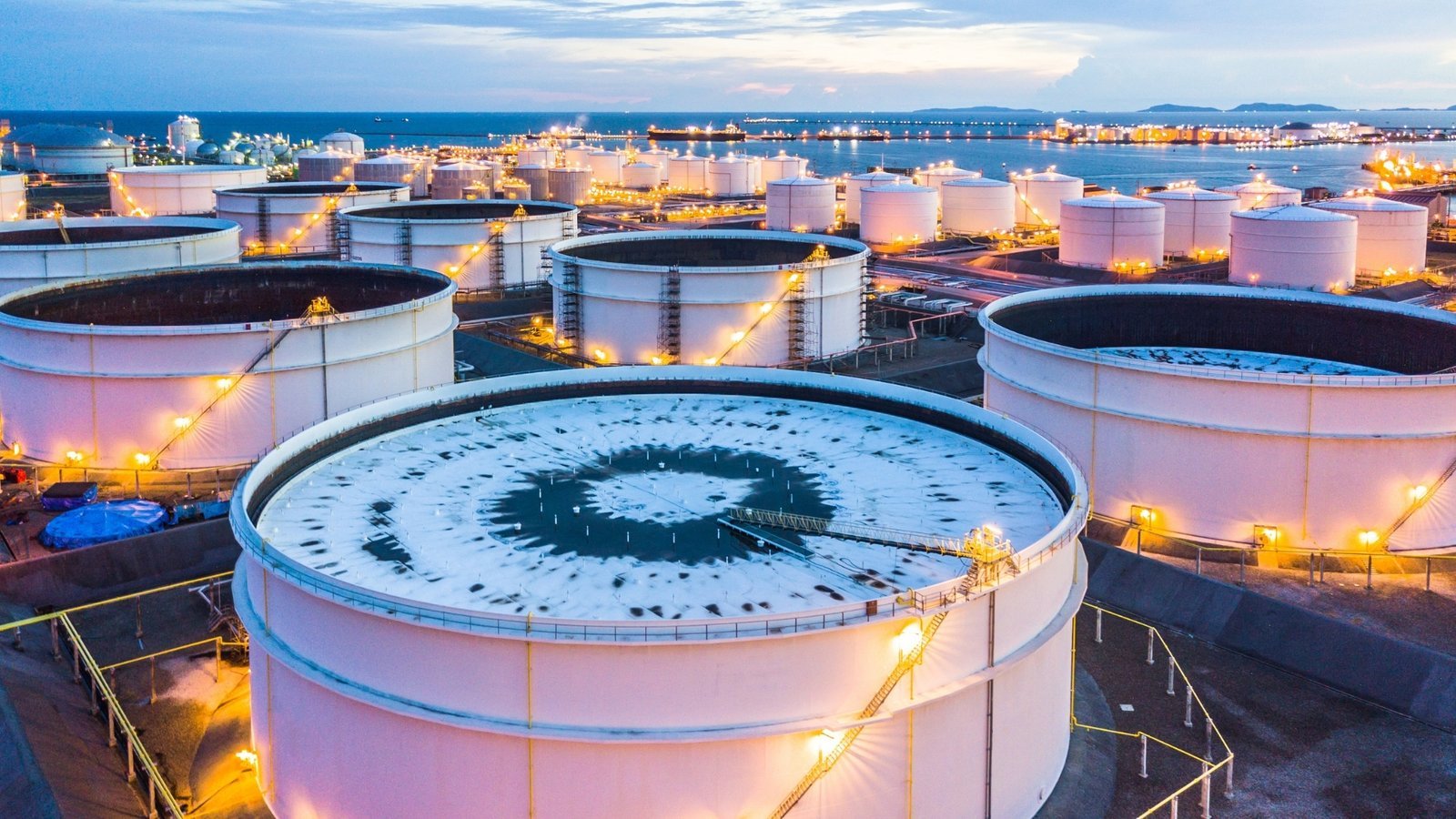 Project 54Replacing Russian volumes is a storage, contracting and terminal capacity problem before it is a political one.
A staged shutdown, not a single switch
The most common mistake is to read the ban as one 2027 event. It is a sequence, and each date bites a different kind of contract. The first cut has already happened in law: any LNG or pipeline contract concluded or amended after 17 June 2025 is prohibited, which closed the door to new Russian supply long before the final flows stop.
For deals signed before that date, the regulation splits by tenor. Short-term LNG contracts end on 25 April 2026 and short-term pipeline contracts on 17 June 2026. Long-term pipeline gas must stop flowing by 30 September 2027, and all remaining long-term contracts, LNG included, terminate no later than 1 January 2028. Law firms tracking the text note the transition periods exist to let buyers unwind supply in an orderly way.
For anyone selling into European energy buyers, these dates are the calendar that now drives urgency. A utility with a long-term Russian contract expiring into the 2027 window is a buyer with a defined problem and a defined deadline, which is a very different conversation from a general pitch about diversification.
| Contract type | Ban takes effect | What it means for buyers |
|---|---|---|
| New contracts (signed or amended after 17 Jun 2025) | Already prohibited | No fresh Russian supply can be booked at all |
| Short-term LNG (pre-17 Jun 2025) | 25 April 2026 | Spot and short LNG buyers need alternatives lined up now |
| Short-term pipeline (pre-17 Jun 2025) | 17 June 2026 | Near-term pipeline volumes rebooked to Norway and others |
| Long-term pipeline | 30 September 2027 | Structural pipeline replacement, mostly Norwegian and Algerian |
| Long-term contracts (all, incl. LNG) | 1 January 2028 | Final backstop date, nothing Russian runs beyond it |
The root cause, security priced as risk
The root cause is that voluntary progress stalled where it was hardest. Cutting the easy two-thirds of Russian gas was the scramble of 2022 and 2023. The last third sat inside long-term contracts that no single buyer had an incentive to break alone. Binding law solves a collective-action problem, because it removes the commercial disadvantage of moving first.
Security is the second driver. EU officials frame the remaining Russian volumes as an exposure rather than a supply, a lever that can be pulled during a crisis. Energy Commissioner Dan Jorgensen was blunt when the deal was struck, calling it a good day for Europe, a good day for Ukraine, and a very bad day for Russia, and insisting the ban would hold even after any peace deal, saying that even when there is peace, Europe will not buy Russian gas again.
That permanence is the part the market is still absorbing. If the ban were seen as tactical, suppliers might hold back investment on the assumption that Russian gas returns once the war ends. By writing permanence into both the law and the political messaging, the EU is trying to give alternative suppliers the confidence to commit capital to the terminals, pipelines and cargoes that a durable replacement requires.
The replacement map, by supplier and horizon
The near-term winner is LNG, and within LNG the United States. American cargoes are on track to supply around 70 percent of Europe's LNG across 2026 to 2029, up from about 58 percent, because US export volume is flexible and can move on Europe's timeline. Qatar adds structural volume as its North Field expansion ramps from mid-2026, lifting output toward 126 million tonnes a year by 2027, though Qatari flows to Europe dipped in early 2026 on Middle East shipping disruption.
Pipeline gas tells a slower story. Norway already supplies the majority of EU pipeline imports and is close to capacity, so it stabilises rather than grows the balance. North Africa is the swing. Algeria covers roughly a fifth of EU pipeline imports today, and new Sonatrach licences plus wider regional supply, including a recovering Libyan production base, matter most after 2028, once the ban deadlines have passed.
US LNG share
American cargoes are set to cover roughly seventy percent of Europe's LNG from 2026, the fastest-moving replacement.
Qatar by 2027
North Field expansion lifts Qatari output toward 126 million tonnes a year, adding structural LNG volume.
Algeria pipeline
Algeria already supplies about a fifth of EU pipeline gas, with more North African volume weighted to after 2028.
Deadlines are demand, if you can read them
A binding phase-out is a demand-generation event disguised as a policy. Every European utility, trader and industrial buyer with Russian exposure now has a dated gap to fill, and dated gaps are the cleanest buying signals in energy. The sharpest commercial teams are mapping which accounts hold contracts expiring into the 2026 and 2027 windows and leading with that specificity rather than a generic security pitch.
Positioning shifts too. Reliability, diversification and compliance become the language buyers reward, because a procurement head answerable to a national diversification plan needs suppliers who can prove they are not a future liability. Sellers of LNG capacity, regasification, pipeline services, storage and the software that manages all three should tie their message to the regulation's dates, not to the abstract idea of energy transition.
There is an authority dividend as well. When buyers and the AI tools they now use to research suppliers look for a clear read on what the ban requires, the firms that publish accurate, sourced analysis become the cited reference. That is the quiet advantage of treating a regulatory shift as a content and answer-engine visibility opportunity rather than just a compliance headache.
Listen & take it with you
Prefer audio, or need the deck for an internal review? The full briefing is available as a podcast episode and a downloadable slide presentation.
For your energy B2B planning, which part of the EU Russian gas ban matters most?
Frequently asked
It is binding. Regulation (EU) 2026/261, adopted on 26 January 2026, replaces the voluntary REPowerEU ambition with a legal prohibition, harmonised penalties and a monitoring system, so member states and importers must comply with the dates rather than aim for them.
In stages. New contracts signed or amended after 17 June 2025 are already banned. Short-term LNG ends on 25 April 2026 and short-term pipeline on 17 June 2026. Long-term pipeline flows end by 30 September 2027 and all long-term contracts, including LNG, by 1 January 2028.
About 35 billion cubic metres a year. The EU already cut Russian gas from roughly 45 percent of imports in 2021 to around 12 percent in 2025, so the ban targets the remaining long-contract volume that voluntary effort could not shift.
US and Qatari LNG in the near term, with American cargoes set to supply around 70 percent of Europe's LNG from 2026 and Qatar adding volume from its North Field expansion. Norwegian and Algerian pipeline gas stabilise the balance, and wider North African supply gains weight after 2028.
EU officials have said no. Commissioner Dan Jorgensen stated the agreement will stand even after a peace deal, framing Russian gas as a permanent security risk rather than a supply to be resumed, which is what gives alternative suppliers confidence to invest.
Get the next intelligence drop
Join energy and industrial leaders getting our marketing, AI-growth and revenue-architecture intelligence, direct, no filler.
You're on the list
Welcome to The Energy Growth Brief, watch your inbox for the next dispatch.